The Atlantic rally gets under way
More than 700 sailors representing 33 nations have departed Las Palmas de Gran Canaria for Saint Lucia in the 41st Atlantic Rally for Cruisers, known as the ARC. World Cruising Club published its departure report on 24 November, following the fleet's start on 22 November 2026, beginning a passage of approximately 2,700 nautical miles across the Atlantic. The event traces its history to 1986 and combines the logistical demands of an ocean crossing with the social framework of an organised rally. For Luxury Yacht Guide readers, the departure highlights a side of yachting far removed from a brief marina demonstration or an afternoon at anchor. Participants must plan for changing weather, continuous watchkeeping, energy management, crew welfare and the possibility of delays far from repair facilities. It is not a race whose outcome can be determined on departure day, nor is a successful crossing guaranteed by the existence of an organised start. The news is the departure itself; the operational lessons are relevant to anyone preparing a properly equipped 12–24-metre cruising yacht for extended offshore passages.
What the organiser's figures mean
The organiser's 24 November report gives more than 700 crew members drawn from 33 countries, setting out on a roughly 2,700-nautical-mile route to Saint Lucia. Those numbers describe sailors, not 700 individual vessels, an important distinction in reporting an event where several people share each yacht. The ARC involves a wide range of crews, nationalities and boats, with the common objective of completing a transatlantic voyage. A fixed distance is useful for route planning but does not predict passage duration: yacht performance, weather, chosen routing and necessary changes of course can produce substantially different experiences. There is also a difference between a rally departure and independently confirmed arrival. As of this article, the organiser is reporting the start, while participants still face the Atlantic crossing. It would be misleading to present a final completion count or finishing order before those results exist. This is a timely opportunity to examine the preparation that makes offshore cruising possible.
Why Las Palmas is a familiar departure point
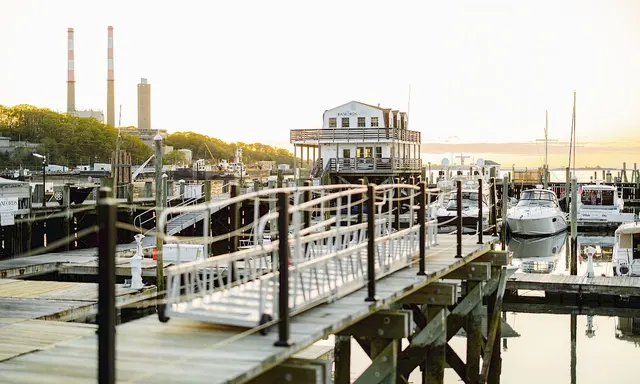
Las Palmas de Gran Canaria has a long association with east-to-west Atlantic passages. Its location in the Canary Islands allows crews to prepare boats, collect supplies, complete maintenance and wait for suitable weather before setting off toward the Caribbean. An ocean crossing rarely begins with the moment the lines are cast off. For experienced sailors, the preceding weeks involve checking rigging, electronics, ground tackle, emergency equipment, sails and domestic systems. Crews also have to allocate stowage for food and water while keeping essential equipment accessible. A yacht designed for comfortable coastal weekends can be fully capable of a different programme only when properly specified, inspected and operated for that programme. The rally's shoreside preparations and training activities are part of what distinguishes an organised crossing from an unsupported voyage. The marina becomes a practical final checkpoint for repairs and crew decisions rather than merely a photogenic starting venue.
Route planning in a changing Atlantic
The traditional east-to-west passage draws on broad seasonal trade-wind patterns, but navigators cannot rely on an idealised chart of prevailing winds to make daily decisions. Weather forecasts, sea conditions and the performance of the actual yacht must determine the chosen route. A direct great-circle line is not always the fastest or most comfortable option for a sailing vessel. Experienced offshore crews weigh wind direction, predicted wave conditions, squalls and the need to maintain adequate fuel and electrical reserves. They must also be prepared to change plans as new information becomes available. A rally provides a framework for communications and shared information, but the skipper remains responsible for decisions aboard a particular boat. It is not sensible to assume that every participant will follow exactly the same track or arrive within a uniform number of days. Proper routing includes the capacity to adjust speed, sails and watch arrangements for both safety and crew comfort.
The practical value of watchkeeping
Offshore passage-making depends heavily on whether a crew can remain alert for many days. Watch systems should be agreed before departure and adapted to the number and experience of people aboard. A yacht with a small crew may require different arrangements from one with several qualified sailors. Fatigue can reduce the quality of navigation decisions, particularly during poor weather or when equipment faults arise overnight. Skippers should consider how meals, rest, communications and routine maintenance fit around the watch schedule. A comfortable berth is useful only if the occupant can sleep safely while the vessel moves. Handholds, ventilation, noise and the security of stored items all become more significant on a long passage. The sight of a large fleet leaving the Canaries captures the excitement of sailing, but the success of an Atlantic crossing is often built on simple, repeated practices that allow the crew to function reliably after the novelty of the first day has passed.
The energy budget of an ocean yacht
A modern offshore sailing yacht uses electricity for navigation, communications, pumps, refrigeration, lighting and potentially autopilot operation for extended periods. Its batteries must be replenished by a planned combination of alternators, solar panels, hydrogenerators or other installed equipment. The actual arrangement varies by yacht, and no single solution is right for every crew. Owners should evaluate consumption under passage conditions rather than use only a dockside estimate. An autopilot working in difficult seas, for example, may draw more energy than expected. Equally, a solar installation can produce less than its maximum rating during cloudy periods or when shading reduces panel exposure. Before departure, the skipper should understand how low-voltage alarms work and which loads can be reduced without compromising essential functions. A reserve is vital for unexpected changes in the passage. The ARC departure is a reminder that electrical reliability is a central element of seamanship, not an optional luxury feature.
Fresh water and provisions as risk management
Crossing an ocean creates a different relationship with food and water than a coastal cruise with frequent marina calls. Every provision needs a suitable storage location, and menus must account for perishability, refrigeration capacity and crew preferences. An effective plan includes enough flexibility for a longer-than-expected passage, while avoiding excessive weight and disorganised lockers. Water storage and production capacity require particular attention. If a watermaker is installed, the crew must understand its operating conditions and have a plan for a fault. Drinking water should not depend entirely on equipment that may be difficult to repair at sea. Meal preparation must also remain practical when the yacht is moving, which makes secure cooking equipment and restrained stores important. Buyers of bluewater cruisers should inspect the galley with these tasks in mind. A stylish accommodation layout is not necessarily an efficient ocean-passage working environment until its storage, access and equipment have been tested.
Rigging and sails need systematic checks
Before a crossing, standing and running rigging deserve a careful inspection appropriate to the yacht's age, sailing history and manufacturer's guidance. Common areas of attention include terminals, fittings, chafe points, halyards, winches, deck hardware and the condition of sails. A competent rigger or surveyor can identify problems that may be easy to address ashore but extremely difficult once the nearest suitable shipyard is thousands of miles away. Crews should carry appropriate spare parts and tools for tasks they are trained to perform safely, without assuming they can undertake specialist repairs in heavy weather. Sails must be manageable by the crew actually aboard, particularly when reducing sail at night. Electric winches or furling systems can reduce workload but introduce electrical and mechanical maintenance demands. A long rally passage makes equipment design and personal competence inseparable. The existence of advanced machinery does not replace the need to understand the sail plan and its emergency procedures.
Communications and external support
An organised rally offers a sense of community and access to information, but an offshore yacht must have its own reliable communications arrangements. The appropriate equipment depends on the voyage, safety standards and registration requirements. Skippers should be familiar with distress procedures and ensure that essential safety systems have current batteries and correct registration data. Satellite connectivity may support weather updates and family messages, but users should distinguish recreational internet services from recognised distress and safety communications. It is also worth arranging how a vessel will report its position and what family members should do if a routine update is delayed. The crew must know how to work without a constant data connection. Redundancy can be useful, but only if equipment is tested and operators understand it. These are general safety-planning principles, not a claim that a particular ARC participant lacks or possesses a given system.
Different crew objectives on the same route
An Atlantic rally attracts people with different levels of experience and different reasons for going to sea. Some participants may be beginning extended cruising programmes; others may be returning to a familiar passage or planning a Caribbean season. A yacht that is ideal for a family voyage may not offer the same appeal to a crew focused on maximum passage speed. The diversity of the fleet means that a comparison of overall finishing times does not necessarily reflect the quality or suitability of every boat. The most meaningful achievement for many owners is a safe, well-managed passage carried out within the capability of the boat and crew. This is why training, maintenance records and sensible watch routines matter. A racing-style approach to decisions can be inappropriate for a boat whose primary mission is comfortable cruising. The organiser's start report reflects the shared enthusiasm of the fleet but should not be treated as evidence that participants all have the same priorities.
What owners considering the crossing should do now
For someone contemplating a future ARC or independent Atlantic crossing, preparation should begin well before the yacht reaches the Canary Islands. A realistic programme includes an independent condition survey, rigging review, energy audit, communications check and assessment of emergency equipment. Owners should arrange training based on actual crew skills and identify critical spare parts that can be fitted safely during a passage. Insurance should be confirmed specifically for the intended offshore route and dates, since ordinary coastal cover may not apply. Crew members also need to discuss medical requirements, seasickness, dietary needs and personal expectations about the voyage. A multi-day shakedown in representative conditions can reveal weaknesses in storage, power management and watchkeeping. No checklist removes all risk, but it is far better to discover a problem near shore than hundreds of nautical miles from a suitable port. A rally deadline can be motivating, yet safe departure must remain more important than a timetable.
The crossing has only just begun
World Cruising Club's report confirms that the 41st ARC fleet left Las Palmas on 22 November 2026, with sailors from 33 nations heading toward Saint Lucia over an advertised 2,700-nautical-mile course. The organisers will report progress and arrivals as the event develops. It is too early to describe the 2026 edition's finishing outcomes or to make claims about every crew's experience at sea. For Luxury Yacht Guide readers, the significance of this departure lies in the way it makes bluewater cruising concrete. The Atlantic remains a demanding operating environment, whatever the size or comfort of the yacht. Those who prepare carefully, respect the weather and understand their equipment are better placed to enjoy the crossing. Whether a sailor's own ambition is a transatlantic passage or a more modest long-distance cruise, the principles of realistic planning, competent crew and dependable machinery are directly transferable.
Sources, historical photograph and Creative Commons credit
The 2026 departure date, participant figures and route are sourced from World Cruising Club's official ARC 2026 departure report and the organiser's ARC information. The lead image is explicitly **an archive photograph of the ARC departure in Las Palmas on 24 November 2014**, not a photograph of the 2026 start. Photographer: El Coleccionista de Instantes, via Wikimedia Commons.jpg), licensed Creative Commons Attribution–ShareAlike 2.0. The photograph was re-encoded for web delivery without intended cropping or compositional changes; the adapted image is offered under the same CC BY-SA 2.0 licence. No endorsement by the photographer or the 2026 organiser is suggested.