Vignette expands across Greater China
IHG Hotels & Resorts has announced further growth of its Vignette Collection across Greater China, highlighting hotels in Chengdu, Chongqing, Shanghai, Beidaihe, Qiandao Lake and Sanya during 2026. Its 15 October update also mentions the recent addition of The Hari Hong Kong. The luxury collection brings together hotels with different names, designs and surroundings, rather than introducing an identical brand experience at every address.
The locations range from busy commercial districts to coastal and leisure destinations. This gives travellers several ways to explore the region through hotels that retain their own character. Some are existing properties joining the collection, so the announcement does not mean that every one has been built from the ground up or that each property opened on the same date. Individual hotel booking pages remain the best place to check operating status.
The collection's three defining ideas
Vignette Collection is IHG's luxury collection brand for individual hotels that retain their identity while joining the company's wider distribution and loyalty network. IHG organises its approach around three hallmarks: One-of-a-Kind Stays, Memorable Rituals and A Means for Good. Those themes concern distinctive surroundings, recurring guest experiences and efforts to connect with communities or environmental causes.
For travellers, the main consideration is that a collection label does not make room layouts, restaurant choices or activities uniform. A hotel facing a bay may build its identity around the water, while a city address might focus on architecture or art. Guests should research individual properties rather than assuming a standard itinerary comes with the brand.
Chongqing takes inspiration from bridges
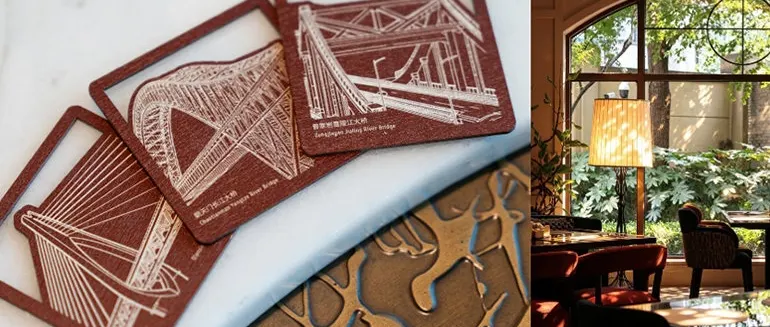
TFT Chongqing draws on the city's association with bridges and its setting at the meeting point of two rivers. The operator describes bridge-shaped details in interiors and room keys, alongside themed afternoon tea and story cards. The approach is designed to bring an identifiable aspect of Chongqing's landscape into the guest experience rather than simply decorate the rooms with generic local imagery.
That theme can provide a useful starting point for a visitor who wants to understand the city's distinctive geography. It does not replace a guided trip to the waterfront or an exploration of its neighbourhoods. Travellers interested in the bridges themselves should still consider distances, transportation and the changing conditions of a busy metropolitan area.
Art Deco references in central Shanghai
THE ONE Shanghai Downtown uses architecture and interiors that refer to the city's Art Deco heritage. IHG also points to a partnership with a local art centre that encourages visitors to discover the contemporary creative community beyond the hotel. The distinction between a historical style and an active local arts scene provides more than one way to engage with Shanghai during a stay.
Another Shanghai property in the collection, Shanghai Snow World Hotel, is tied to a different experience: the Shanghai L+SNOW Indoor Skiing Theme Resort. Its location and recreational programme do not resemble a downtown architectural stay. Travellers should choose between them according to the activities and neighbourhoods they want to visit, not simply because both carry the same collection name.
Après-ski rituals without leaving Shanghai
At Shanghai Snow World Hotel, a bell signals the beginning of a signature après-ski gathering. The operator describes drinks served near an electric fireplace and introductory sessions intended for people new to skiing. These elements connect the accommodation to a nearby indoor snow-sports environment, creating a resort-style ritual within a city destination.
The programme may interest visitors who want a different break from museums, shopping or conventional restaurants. However, hotel accommodation should not be assumed to include every ski session, lesson or piece of equipment. Travellers should check admission, schedules and costs with the relevant operator before planning their activities around the property's promotional description.
A coastal sunrise and Chengdu craft
Resea Hotel Beidaihe uses its coastal location as the centre of a signature sunrise ritual, inviting guests to experience the first light over the sea. Palm Springs Hotel Chengdu takes a contrasting approach, using experiences associated with Shu embroidery and fragrance-making to introduce aspects of local craft traditions and modern Chengdu culture.
Both examples demonstrate how the collection uses small activities to suggest a sense of place. A sunrise depends on the weather, while a workshop may involve a local host and a specific schedule. Guests who particularly value these experiences should confirm their availability directly rather than assume they are offered every day or automatically included in the room rate.
Hong Kong hotels emphasise community
The Hari Hong Kong, located in Wan Chai, highlights contemporary art through The Hari Art Prize, which supports emerging artists based in the city. WM Hotel Hong Kong draws on the waterfront environment of Sai Kung and has taken part in a clean-up of Sha Ha Beach in partnership with a local non-profit international school.
The Azure Ningbo offers a further example of the collection's environmental theme, turning coffee grounds and food waste into compost for hotel plants and gardens. These are particular activities identified by IHG, not independently audited measures of an entire hotel's environmental footprint. The shared idea is that hospitality can include connections to a neighbourhood as well as accommodation and dining.
Choosing among the new destinations
Vignette's expanded Greater China portfolio now includes several very different settings: a bridge-themed Chongqing hotel, Shanghai properties with design or winter-sports identities, a coastal retreat and venues connected with arts and crafts. The group describes these additions as part of an effort to give visitors a more individual sense of each destination while retaining access to an international hotel network.
A practical booking still begins with location, operating status and the particular room or experience being offered. The 15 October announcement does not establish one price, set of facilities or opening date for every hotel named. Its significance is the breadth of independently characterised properties now represented within Vignette Collection, rather than the arrival of a single standardised hotel product. Specific seasonal activities may also require advance reservations.