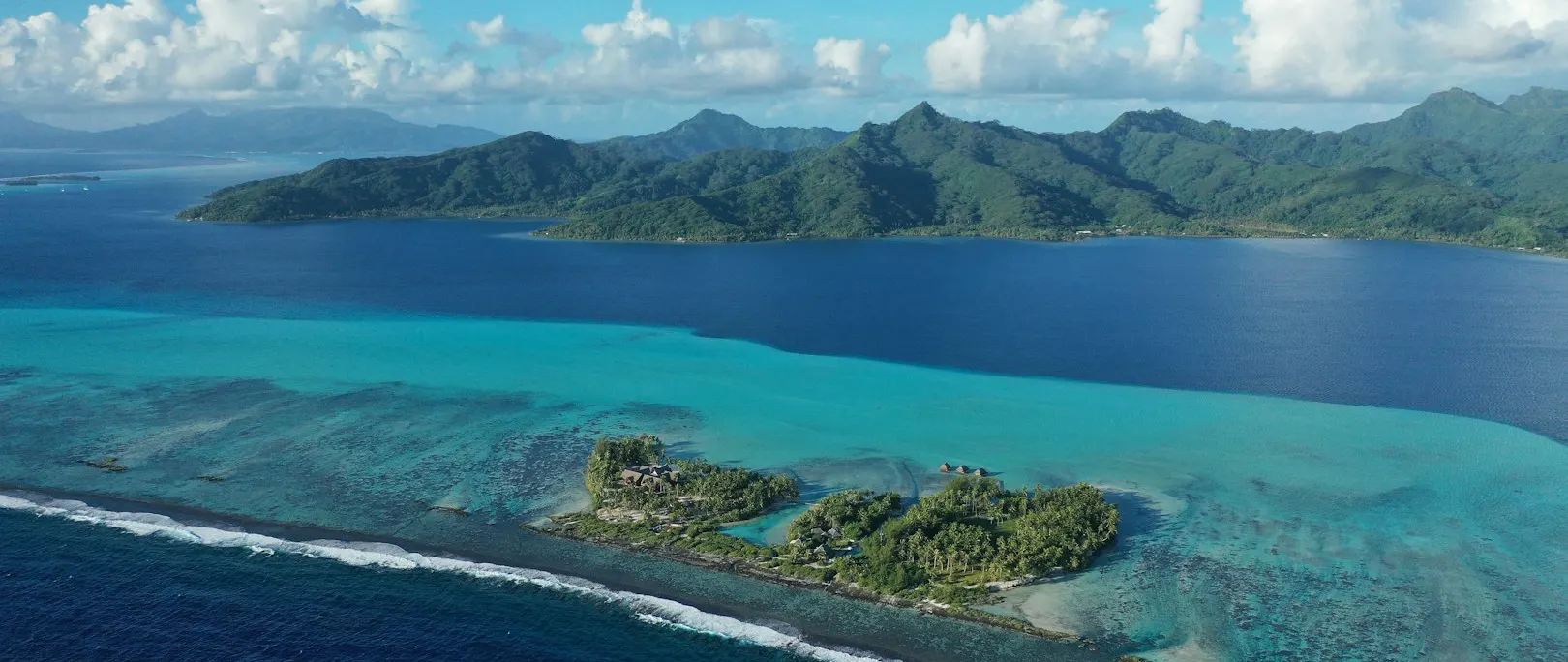
An island retreat rather than another crowded resort
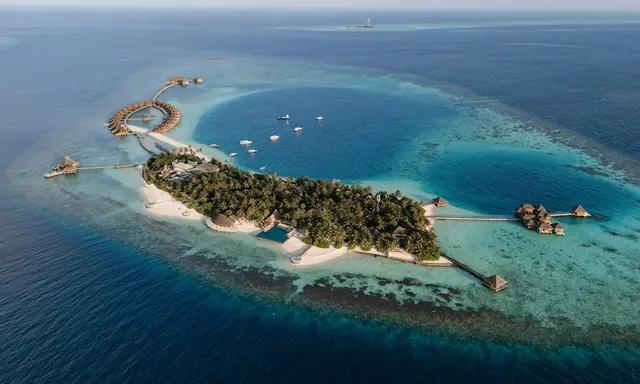
Some destinations are at their most persuasive when the guest list is short and the programme remains flexible. Vahine Private Island, on Motu Tuvahine near Tahaa in French Polynesia, belongs to that category. Its accommodation is set amid coconut palms and shallow lagoon waters, creating a restful counterpoint to the schedules, crowds and formalities that can accompany a larger resort. The attraction for discerning travellers is the combination of carefully delivered hospitality and a setting where water remains the defining element of the day.
Small Luxury Hotels of the World describes a tiny private-island property with beachfront and overwater bungalows, along with the more expansive private-villa option. That distinction matters when choosing a base for a yacht itinerary. Guests seeking an intimate couple's retreat might favour an overwater room, whereas an extended group may need a private villa and additional coordination around arrivals, meals and activities. The most expensive accommodation is not automatically the most appropriate; the rhythms of the group should decide.
The resort occupies a motu in a wider Polynesian lagoon rather than a conventional harbour waterfront. Its published description emphasises the sea, landscape and a relaxed scale, not large-vessel docking facilities. Anyone arriving by private yacht should consequently establish a separate, legal and suitable anchorage and use locally approved transfer arrangements. The hotel’s guest boat service should not be mistaken for confirmation that it can berth or receive a large yacht directly.
Accommodation shaped by the water
The overwater bungalows create a particularly immediate relationship with the lagoon. SLH highlights their decks and a distinctive aquarium-style table through which guests can observe marine life below. These are small details, but they alter the way time is spent: a slow breakfast or quiet afternoon becomes part of the destination experience rather than a pause between activities. Guests should still confirm present room specifications and accessibility with the hotel before booking.
Beachfront accommodation offers another pace, with terraces, sand and gardens in place of a boardwalk over the water. A guest who prefers stepping straight onto the shore, or who wants simpler access to island facilities, may find that arrangement more comfortable. The Royal Pool Beach Villa is a further option for travellers prioritising private leisure areas. Neither type is inherently superior: wind direction, privacy, shade, mobility and the preferred view may matter more than a brochure category.
For a larger party, it is wise to consider the balance between togetherness and solitude. Two couples occupying separate bungalows may welcome a shared dining table while keeping their mornings independent; families may prefer a villa’s common space. Clarify occupancy allowances and age policies before finalising a guest manifest, since the resort describes its welcome for children from the age of ten. A yacht party moving ashore should also identify where luggage and special equipment can be handled discreetly.
A more personal interpretation of Polynesian dining
At Vahine, the published dining proposition centres on French cuisine informed by Polynesian flavours and local produce. The restaurant’s lagoon setting is as important as the menu, with an emphasis on relaxed service and evenings that do not feel hurried. Travellers who spend weeks dining aboard a yacht may value the change of atmosphere: the chance to eat outside, listen to the water and allow someone else to choose the pace of service.
The island bar brings together tropical juices, local ingredients and familiar cocktails. It offers a natural gathering place before dinner or after time on the lagoon, particularly for guests who have spent their day pursuing different activities. Wine preferences, dietary restrictions and celebrations are best communicated before arrival, especially at a small property where sourcing a rare ingredient at short notice may not be realistic.
A carefully conceived shoreside lunch is often more memorable than an elaborate evening arranged under pressure. Yacht managers can make the stay smoother by coordinating expected numbers, allergies and the timing of boat transfers with the hotel in advance. They should also distinguish ordinary restaurant dining from any fully private event, which may require a separate arrangement. What looks effortless to a guest is frequently the result of modest but precise preparation.
The lagoon as the main attraction
The property describes snorkelling, kayaking and traditional Polynesian canoe outings as ways to experience its surroundings. These are fitting choices for a place where the shallow-water environment is a feature rather than a backdrop. Exploring at a quiet pace can help visitors appreciate the changing colours and marine life without turning every hour into an organised excursion. Local guides can also provide valuable context on the ecology and customs of the islands.
A yacht-based holiday allows an interesting division of activities. Some guests might remain on the island for spa treatments and a relaxed lunch while others explore approved waterways with their vessel or a licensed operator. That freedom comes with responsibility: coral, shallow areas and changing lagoon conditions make local navigation advice essential. The hotel’s own activity programme is not a substitute for a master’s assessment of safe routes, permits or vessel draft.
The resort also presents an open-air approach to spa relaxation, drawing on island botanicals and Polynesian treatment traditions. For travellers whose days have been dominated by formal calls or long passages, an afternoon devoted to rest can be the most luxurious activity of all. Book treatments well ahead for larger parties and confirm whether sessions are suitable for guests with particular health or accessibility needs.
Arrivals, departure windows and the value of simplicity
Vahine’s published arrival guidance is unusually useful because it explains the transfer constraints rather than simply promising effortless access. Guests flying into Raiatea can arrange a resort boat, with the crossing to the island described as approximately 35 minutes in suitable conditions. The property says it does not operate night transfers across the lagoon. That practical limitation should shape flight reservations and any proposed rendezvous with a yacht.
Helicopter transfers are also listed as an option, but availability, landing requirements, weather and baggage capacity need individual confirmation. A prudent itinerary allows margins for delayed flights and the possibility that weather might affect boats. Couples and family groups should avoid locking every leg of a complicated island-hopping schedule together so tightly that one late connection compromises the whole stay.
Vahine’s appeal is ultimately a very specific form of luxury: scenery, a small scale and the freedom to slow down. For a private-yacht traveller it works best as an intentional shore stay, not as an assumed superyacht marina. The right preparation is remarkably straightforward—agree the guest arrangements, respect transfer operating hours and leave enough unstructured time to discover the lagoon on its own terms.