The northern shore of the Mediterranean as an owner’s retreat
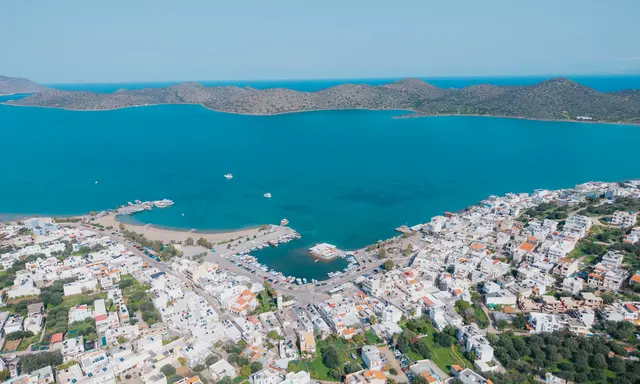
The Moroccan Mediterranean is often overlooked in luxury cruising conversations that begin and end with the Côte d’Azur and the Balearics. Royal Mansour Tamuda Bay offers a different sort of shoreside address, combining the brand’s elaborate hospitality with a beachfront setting on the North African coast. Its position between Tangier and Tetouan brings an international character to the stay, but the point of interest for yacht owners is not merely a new destination on a map. It is the opportunity to step away from an organised life aboard and spend a few days in an equally considered environment on land.
The resort is not presented here as a marina, and the presence of a beach does not establish that private tenders may land directly at the hotel. Any visit from a yacht needs a properly authorised arrival point, compliant local transfers and attention to prevailing conditions. The hotel’s own accommodation and hospitality information, rather than unsupported berth or anchorage claims, provides the basis for this guide.
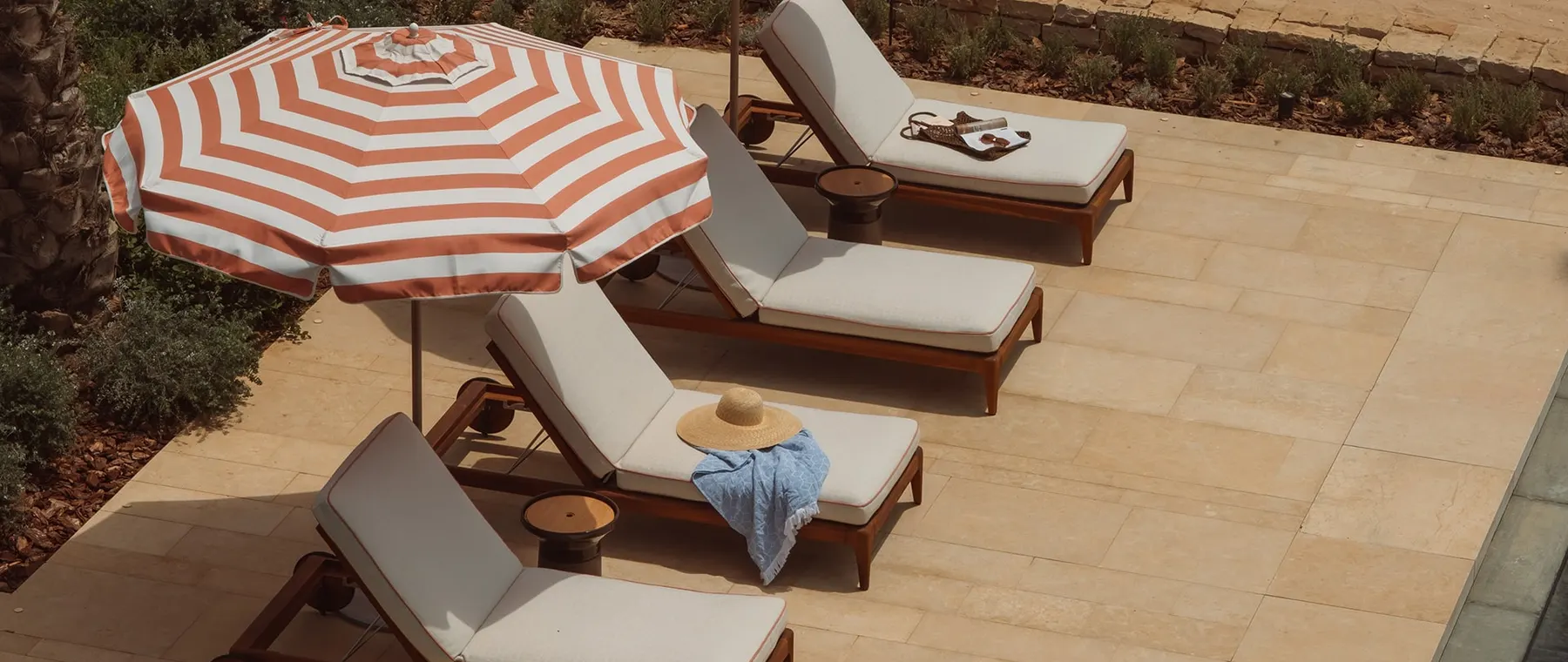
Set across landscaped seafront grounds, the property has a palette that favours light, natural materials and open views. Its official photographs are compelling because the architecture is designed around the broad meeting of sea and sky, rather than around a heavily ornamented city-palace vocabulary. For a yacht guest who has spent weeks moving between ports, the allure is the chance to stop travelling without giving up a constant visual connection with the water.
Suites and villas shaped for different kinds of privacy
Royal Mansour lists one-bedroom suites and larger two-bedroom arrangements for travellers who want the services of a hotel with the space of a private residence. The property describes 32 one-bedroom suites and 16 two-bedroom Privilege suites, with individual floor areas varying across room types. These are operator-published accommodation specifications, useful for understanding scale but not a substitute for confirming the precise unit offered for any booking.
For families or groups travelling with friends, the Prestige Villas are a particularly distinctive proposition. The official accommodation information describes five three-bedroom villas, each with substantial living space and direct proximity to the beach across private gardens and pools. That arrangement may be attractive to an owner who needs a fixed base while a yacht undergoes servicing, but guests should confirm the level of privacy, access arrangements and included services for a particular villa rather than assume every photograph depicts their assigned accommodation.
At the upper end of the collection, the Princière Villa and Royal Villa are presented as very large private residences, with their own living and entertainment areas. They answer a different brief from a conventional suite: more room for a family, an occasion or an extended quiet stay. A good comparison should examine bedroom layouts, access to communal facilities, restaurant arrangements and staffing as carefully as the advertised overall floor area.
Dining that crosses the sea without leaving Morocco
Food is central to the resort’s story, and the restaurant programme is more international than the address might initially suggest. Le Méditerranée takes Spanish coastal cooking as an inspiration, with menus developed under chef Quique Dacosta’s direction. The hotel describes sea-facing dining rooms, private spaces and a terrace overlooking the water. It is a culinary concept designed to make geography part of the meal, but the chef’s personal Michelin credentials should not be confused with a claim that this hotel restaurant itself has received the same number of Stars.
Coccinella brings an Italian interpretation to the coast through the Alajmo brothers’ culinary direction. The focus described by the hotel is on refined, familiar ingredients and dishes that sit comfortably within a relaxed Mediterranean environment. La Table introduces a different perspective, combining Asian influences with the work of chef Éric Frechon. Together these restaurants give a party of guests some variety without requiring every dinner to become a separate excursion.
Pool Beach and Alboran Club offer less formal choices, which may be precisely what a cruising group wants after several nights of elaborate service aboard. The presence of multiple restaurants does not mean every table, private room or terrace will be available without notice. For visiting yacht guests especially, reservations should be confirmed in advance, along with access conditions for non-residents, dietary requirements and the practical details of any late return to the vessel.
A Medi-Spa with a serious service proposition
One of the resort’s strongest differentiators is the Medi-Spa, described by Royal Mansour as a large health-and-wellness environment on the Mediterranean shore. The hotel identifies separate treatment spaces, water-based therapies, hammam rituals, fitness and relaxation facilities. It also advertises longevity programmes and medical-aesthetic services, placing the offer closer to an organised wellness retreat than a traditional hotel treatment menu.
That breadth deserves a measured reading. Treatments, screening and medical-aesthetic interventions are not interchangeable with a relaxing massage, and a luxury setting alone is not evidence of medical benefit. Guests considering clinical or invasive services should assess the qualifications, indications and risks with their own qualified health professionals. For an ordinary shore retreat, the more immediately appealing choices may be a hammam, a restorative body treatment, a swim or an unhurried morning in a sea-facing relaxation area.
The hotel lists an extensive menu, including water-based sessions, massages, beauty services and exercise options. A yacht owner planning a short stay should resist the temptation to book an unrealistic sequence of activities. A modest, well-spaced programme with time outdoors may provide the change of pace desired from the trip, while detailed scheduling can be handled by the hotel’s spa team in light of actual availability.
What a yacht itinerary must solve before arrival
For travellers coming from the sea, the most important practical distinction is between Tamuda Bay as a coastal destination and Royal Mansour as a resort. The property has beachfront accommodation and leisure facilities, but its published guest pages are not a navigation guide. We have not verified a dedicated superyacht berth, a harbour clearance arrangement or authorisation for direct private-tender disembarkation at the resort. Those elements must be planned with licensed local operators and relevant maritime authorities.
A captain or shoreside concierge should therefore establish where the yacht can safely and lawfully call, how guests will transfer to the hotel, and what arrangements apply to luggage, accessibility and returning aboard. The answer may differ according to vessel size, weather and the group’s tolerance for time ashore. No invented transfer time is offered here; owners should request a door-to-door itinerary before treating this as an easy same-day excursion.
The distinction becomes especially important for guests combining the resort with other Moroccan destinations. Airport transfers, road journeys and maritime transfers are separate services and may have different conditions. Royal Mansour advertises direct-booking benefits and selected airport transfer arrangements, but those are package terms to verify for the chosen room category and stay. A yacht’s crew should not infer that a hotel airport transfer automatically includes a ship-to-shore leg.
The appeal of a quieter Mediterranean perspective
Tamuda Bay’s character offers an appealing contrast to heavily trafficked celebrity ports. There is a shared Mediterranean light and taste for leisurely outdoor living, but the setting introduces northern Moroccan culture rather than offering another imitation of the Riviera. Guests who value architecture, coastal scenery and food may find the transition surprisingly natural. Travellers should nonetheless remember that resort presentation is not a substitute for engaging respectfully with the wider area and its local customs.
At the property itself, the experience appears intentionally self-contained: accommodation in private villas, multiple dining rooms and broad wellness facilities all share a seafront setting. That makes it possible to plan a truly restful interval without continually relocating the party. For a yacht owner whose summer calendar is already crowded, this is a luxury of time and simplicity as much as room dimensions or restaurant prestige.
The careful traveller will still ask how the resort changes with the season. Restaurant hours, beach services, weather-dependent activities and pricing can vary, and official webpages may describe an overall concept rather than a binding reservation for a particular day. A private villa shown in a brand gallery should be understood as an example of the accommodation type, not a promise about view, furnishing or availability on a specific booking.
A practical way to plan the stay
Begin with the group rather than the hotel brochure: who needs separate bedrooms, which guests want a full wellness programme, who would rather stay on the beach, and how much time can be spared from the yacht’s operational itinerary? The resort’s suite and villa range then becomes easier to evaluate. A couple seeking one quiet night will have different priorities from a family needing several bedrooms and flexible dining.
Once the accommodation category has been selected, obtain a current written quotation and the terms for dining, spa services and transfers. If arriving from a yacht, request a separate confirmed ship-to-shore plan from the captain and legitimate local transport providers. That preserves the essential difference between an inviting shoreline photograph and a realistic, safe itinerary.
The sources for this original feature are Royal Mansour’s official Tamuda Bay property, dining and Medi-Spa pages. The accompanying hero is a photograph published by the resort itself. No generated image, unverified marina claim or invented price has been introduced; where the hotel provides capacities and programme descriptions, they are identified as its own information and should be checked for the date of travel.