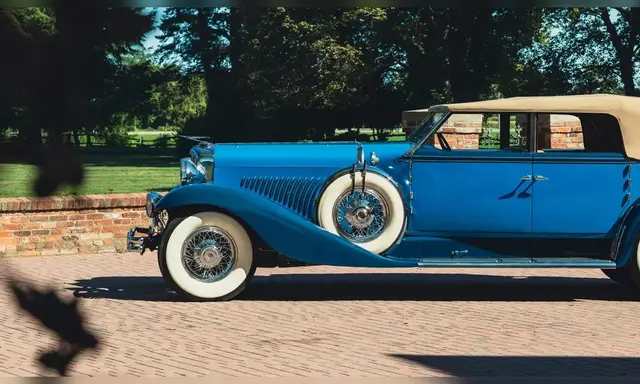
A collector-car auction in Belgravia
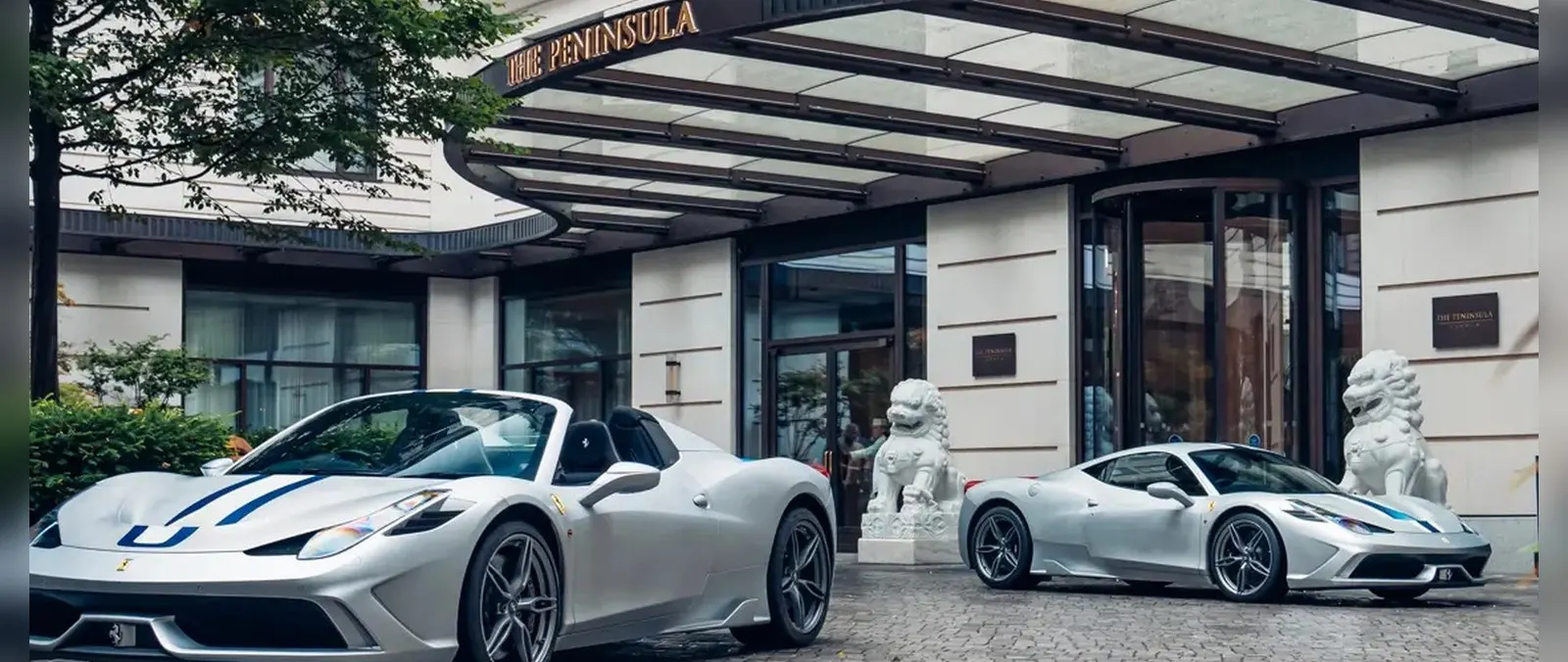
RM Sotheby's has scheduled its London Auction for 31 October 2026 at The Peninsula London in Belgravia. The event forms part of London Motor Week and sits alongside the wider tradition of historic motoring events. The location adds an urban luxury-hotel setting to a sale devoted to notable collector automobiles.
The auction house says this is the third year of its London event at The Peninsula. That continuity offers a familiar meeting place for collectors who combine buying with specialist conversations, but it does not guarantee the same catalogue or market conditions each year. Individual lots should always be assessed on their own merits.
The schedule rewards careful planning
The announced preview begins at 10 a.m. and runs until 2 p.m. for catalogue holders and registered bidders. A private preview for registered bidders continues until 3 p.m., followed by a cocktail period before the 4 p.m. auction. These time windows make it important to plan inspections rather than arrive shortly before bidding begins.
RM Sotheby's notes that cars in the underground viewing area will not be accessible after the earlier viewing period. A potential purchaser who needs to inspect interior fittings, identification details or restoration workmanship should schedule adequate time and make specialist requests in advance. Photographs are not a substitute for an appropriate physical examination.
Who can enter and what it costs
The public should not mistake the event for an unrestricted motor show. The catalogue costs £100 and provides preview admission for two people, while the auction itself is reserved for registered bidders, consignors and qualified media. The published bidder registration fee is £150 and includes a paddle, catalogue and one guest pass.
Registration arrangements may change, so attendees should consult the organiser for the current terms. A guest admitted to a preview is not necessarily authorised to bid without separate registration. These distinctions are important for international visitors arranging a short London stopover around the auction weekend.
Assessing the car before the atmosphere
A collector who is tempted by the environment should still start with the vehicle's history, matching numbers, known modifications, accident record and specialist inspection. Auction catalogue descriptions provide an essential starting point but cannot establish the future cost of maintenance or restoration. The suitability of a car for touring and for display may also differ.
Transport and registration are part of the ownership decision. A vehicle acquired in Britain might need enclosed shipment, insurance during movement and import arrangements if it will be kept elsewhere. An all-in budget should include buyer's premium and applicable taxes as well as the intended mechanical preparation.
London Motor Week as a wider experience
The auction is held with the Royal Automobile Club as a partner and precedes the London to Brighton Veteran Car Run. Collectors can therefore place the sale within a broader programme celebrating motoring history, craftsmanship and social connections. A well-planned trip leaves room for the vehicles and people around the event, not simply the bidding.
As of 10 October, the 31 October auction remains upcoming. It would be inaccurate to describe individual sales as completed or to quote presale estimates as achieved prices. Buyers should monitor the catalogue and any later amendments, while casual visitors should respect the announced admission rules.
The hidden commitment behind historic motoring
The joy of owning an older automobile can come from driving it on appropriate roads and meeting fellow enthusiasts, but some cars are better suited to static display. Braking systems, tyres, visibility and unfamiliar controls deserve realistic consideration. An owner may need to develop relationships with marque specialists long before taking the vehicle to an event.
A well-maintained historic car also requires deliberate storage, periodic mechanical exercise and preservation of its documentary record. Future custodians may value the maintenance history as much as an award won at a concours. The long-term cost of caring for the object should be weighed against the pleasure of carrying its story forward.