A surviving car raises new questions
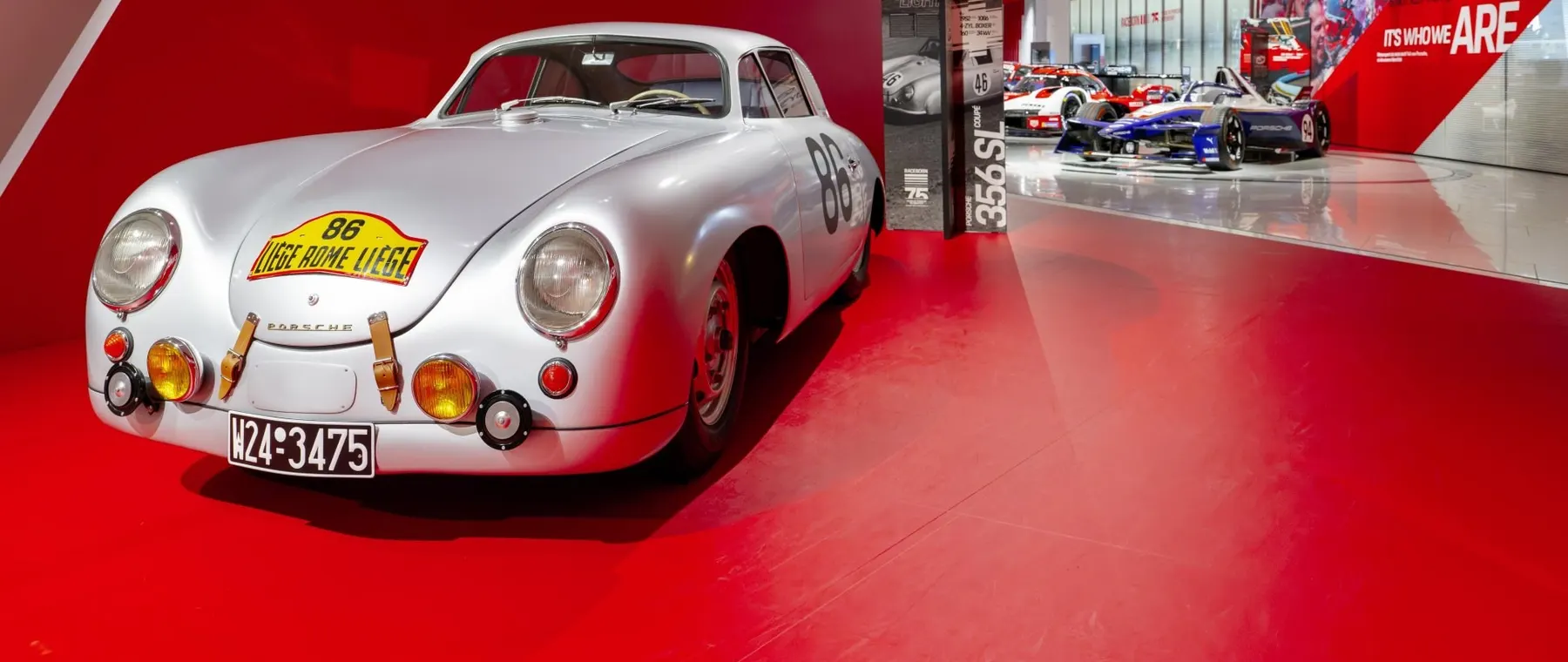
Porsche Heritage and Museum has used a new Raceborn Moments episode to explore the story of a 1952 Porsche 356 SL that remains in the company's collection. The car is important because the 356 SL family belongs to Porsche's earliest factory-supported motorsport history. The research is built around original files, photographs and production evidence rather than an unsupported story about a rediscovered vehicle.
Although the 1952 example never left Porsche's ownership, the company says gaps remained in its documented past. That may seem surprising, but early racing programmes often involved modifications, changing numbers and rapid technical development. An individual car's identity can require more than simply reading a badge or plate.
Nine vehicles and a complicated history
Porsche's investigation traces the programme to Project 514, an early racing development associated with the company's 356. It reports that five 356 SL cars were created in 1951 and four more in 1952, making a total of nine. Some used aluminium bodies from the earlier Gmünd period, with body numbering and later modifications complicating the task of tracing individual examples.
Today six of the nine are known to survive, with three in the United States, one in Mexico, one in Belgium and the company-owned 1952 car in Germany. Those figures describe known survivors, not a claim that every original chassis has been identified beyond dispute. Documentation remains an essential part of the preservation of valuable historic machines.
The Le Mans connection must be described accurately
A Porsche 356 SL secured the marque's first class victory at the 24 Hours of Le Mans in 1951. That result established an important early step toward a competition history later associated with much more powerful prototypes. The particular museum car under investigation dates from 1952, however, and should not be described as the 1951 class-winning car simply because it shares the model name.
Distinguishing between a model's general achievements and an individual chassis's competition record is basic to responsible historical reporting. Two cars may have similar shapes yet have followed entirely different paths through races, ownership and restoration. The archive's work seeks to make those differences clearer.
How the historians worked
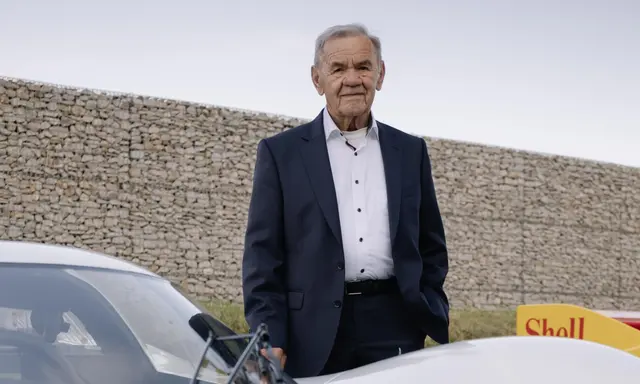
The project brought Porsche's internal records together with photographs, notes by engineer Karl Rabe, historical literature and information held by external specialists. Frank Jung, Head of Corporate Archive and Collections, has explained that the identity of a car can emerge only when individual documents and images are compared carefully. A technical detail in one photograph may clarify a record written years earlier.
The approach is especially relevant when a competition car has been modified. Changes in the body, engine or equipment may reflect different periods of its life. A modern restoration intended to represent a particular race configuration needs to establish what was actually fitted at that time, rather than present an idealised mixture of features.
The beginnings of a long motorsport tradition
Porsche's early racing efforts developed while the company's production operation was still small. Ideas involving aluminium-bodied sports cars and practical modifications could move rapidly between workshop and track. The 356 SL was part of that formative period, before the manufacturer possessed the resources and experience it would later apply to its celebrated Le Mans prototypes.
These conditions help explain why a surviving early car carries value beyond its speed or appearance. It embodies an era when technical learning was unusually direct and records were not always organised for future collectors. Preserving the evidence alongside the physical vehicle helps future generations understand how the racing programme developed.
A video provides a different kind of museum access
The Raceborn Moments episode is available through Porsche's official video channels, complementing the more traditional displays of the museum. It makes some of the reasoning behind historical research visible to an audience that may never handle the original documents. Such access can be valuable because it shows how conclusions are reached, not simply the polished result.
The verified news is the 2026 presentation of Porsche's research into its continuously company-owned 1952 356 SL, using evidence surrounding a nine-car programme. No new auction, purchase or racing result is announced. The enduring interest lies in identifying an individual historic machine as accurately as possible.