Nice's Art Deco landmark returns to the forefront
Hôtel Palais de la Méditerranée has entered a new phase on the Promenade des Anglais in Nice following a redesign and its addition to The Unbound Collection by Hyatt. The official announcement, issued on 4 June 2026, describes 173 guestrooms, including 28 suites, within a historic building facing the Baie des Anges. This is a completed hospitality relaunch, not an unbuilt resort concept. The news is particularly relevant to visitors interested in the French Riviera because the building's identity is inseparable from Nice's twentieth-century cultural history. Its Art Deco façade connects the present hotel with an era when the coast attracted artists, travellers and social gatherings. Yet a historic name does not guarantee that every guest will enjoy the same room, view or experience. The redesigned property needs to be considered through its actual accommodation, service and relationship with the city. The announcement documents the operator's current programme, while independent judgement requires a stay.
A 1929 building with a protected façade
The original Palais de la Méditerranée opened in 1929, during a period of major development on the Côte d'Azur. Hyatt identifies architects Charles and Marcel Dalmas as the father-and-son team associated with the historic building and notes that its façade is protected as a monument. Preserving a significant exterior while transforming the interior raises architectural and operational questions. Historic fabric may impose restrictions on openings, structure and servicing, while a modern hotel requires safety systems, efficient circulation and accessibility. A conservation programme must reconcile these different needs, and photographs cannot reveal every choice made behind the façade. The appeal of staying in a protected landmark is partly the relationship with earlier city life, but a building's historical significance does not remove the need for reliable contemporary hospitality. Guests may appreciate the continuity of the exterior even as the accommodation inside has been substantially reimagined.
Linda Boronkay's contemporary interpretation
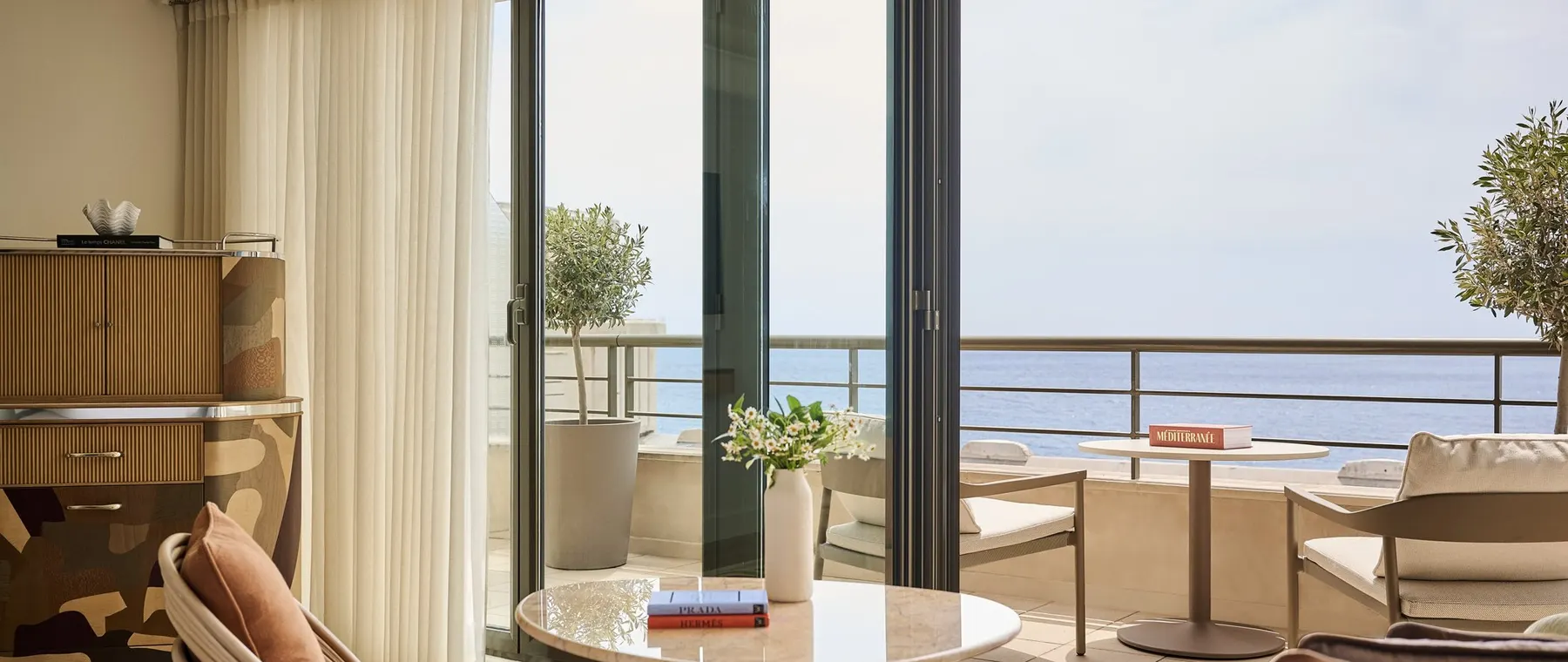
Interior designer Linda Boronkay is credited with the transformation of the guest areas. Hyatt describes curved forms, tactile materials and a soft palette inspired by Mediterranean light and the surrounding sea. Such choices can create an atmosphere distinct from a generic international hotel, but the success of interior design depends on more than visual coherence. A comfortable room needs effective lighting, practical storage, suitable working surfaces and reliable climate control. The press announcement offers an account of design intent rather than technical measurements or an independent assessment. The use of curves and softened colours may be particularly appropriate to a coastal setting, where natural light changes throughout the day. Still, the way a space feels can depend on orientation and season. A guest should not expect identical daylight or sea views in every one of the hotel's 173 rooms. Specific accommodation categories and current images should guide booking choices.
The suites offer a more expansive option
Of the 173 rooms, 28 are designated suites. The official account uses this mix to present the hotel as suitable for visitors seeking varying degrees of space and privacy. A suite may be appealing to a family or someone planning a longer stay, but the announcement does not establish the dimensions or layout of every category. Guests requiring connecting accommodation, accessible facilities or a particular terrace should seek exact confirmation. An attractive suite photograph can illustrate the hotel's design without representing the entire inventory. A traveller choosing a Riviera hotel may weigh the value of space against proximity to restaurants, museums and the waterfront. A larger room is not automatically the best option for everyone. The right choice depends on how much time a guest expects to spend inside and the practical needs of the group. The hotel's renovated inventory broadens the possibilities without eliminating the importance of an informed reservation.
Zouzou Restaurant brings a Mediterranean programme
The property introduces Zouzou Restaurant, with Executive Chef Sébastien Roux named in the official release. The restaurant is located on the third floor and positioned around Mediterranean cooking, regional ingredients and seasonal changes. A dining room overlooking the sea can be attractive, yet the view should not eclipse the food. A successful kitchen must handle ingredients consistently, communicate dietary information and provide attentive service. The announcement does not publish a permanent menu or verified tasting results, so particular flavours and dishes should not be invented. The association with regional produce suggests a direction, not proof that every ingredient is locally sourced throughout the year. Visitors may wish to compare the hotel restaurant with smaller establishments in Old Nice and nearby markets, each offering a different experience. The presence of an identifiable chef and concept is valuable editorial information; the quality of the meal can only be assessed when served.
Rooftop drinks and the changing Bay of Angels
Hyatt describes a rooftop terrace with panoramic views toward the Baie des Anges and the Mediterranean. Such a setting may suit an afternoon aperitif or a later gathering as the light shifts over the coast. Yet panoramic publicity imagery does not guarantee the same outlook from every seat, and reservations, private events and seasonal weather can affect access. The hotel's position along the Promenade des Anglais offers a distinct relationship with the city waterfront, but this should not be confused with ownership of a beach, a private harbour or unrestricted tender access. Riviera travel often involves several separate environments, including city streets, public beaches, marinas and historic villages. Good planning recognises the different rules and transport arrangements associated with each. The rooftop is part of the hotel's public hospitality offering, while maritime logistics must be established through proper local channels.
Indoor and outdoor pools create contrasting moods
The redesigned property includes both indoor and outdoor pools, giving guests options suited to different weather and activity preferences. The outdoor terrace faces the Baie des Anges, while an indoor heated pool offers a quieter setting. The hotel also lists a fitness centre, sauna and steam bath. These facilities can contribute to a comfortable stay, particularly when visitors want time between cultural excursions. However, the existence of a sauna or steam bath does not establish health benefits for every person, and guests with medical concerns should seek appropriate advice. Access policies, operating hours and age restrictions may also apply. A pool overlooking the sea creates a visual connection with the coastline, but it is not the same as open-water swimming, which involves different conditions and safety considerations. The value of having both settings is flexibility, subject to the actual service and rules in place.
A major events venue within the hotel
Hyatt reports more than 18,000 square feet of event space, including the Salon Riviera, which it says can accommodate up to 936 guests in a theatre-style arrangement. That is a substantial capacity, but numbers depend on the chosen layout and applicable safety requirements. A reception, banquet or conference may have a lower practical capacity once furniture and equipment are included. The availability of significant event facilities can support business gatherings, celebrations and cultural programmes, but organisers need detailed contracts, technology specifications and catering arrangements. The building's historic architecture may create a memorable setting, while its protection can impose practical constraints on equipment and installations. A successful event demands professional coordination beyond the atmosphere shown in promotional photographs. For visitors staying overnight, the presence of large gatherings can also influence movement through shared spaces. The hotel must manage these different uses effectively.
Nice as an international coastal destination
The Promenade des Anglais connects the hotel with one of Nice's most recognisable public spaces. The city's cultural life includes the Cours Saleya markets, Place Masséna, museums and the streets of Vieux-Nice. Each offers a different reason to explore beyond the hotel. For yacht owners visiting the Riviera, a city stay can complement time aboard a vessel based in a regional marina. However, the Hyatt announcement does not identify yacht berths or guarantee a tender transfer directly to the hotel. Guests should make separate transport arrangements in accordance with local rules. The Côte d'Azur is not one uniform destination: a stay in Nice differs from time in Monaco, Antibes or Cannes, even when the journeys between them are manageable. The hotel's central location may make it a useful base, but the real convenience of a trip depends on the chosen itinerary and transport conditions.
The Unbound Collection emphasises individual identity
The Unbound Collection by Hyatt is intended to bring distinctive properties together under an international hospitality umbrella while preserving their individual histories. The Palais de la Méditerranée joins other hotels with very different architectural and cultural characters. This can create variety for travellers using a common booking ecosystem, but the hotels should not be treated as interchangeable. A historic Riviera palace has different facilities and service expectations from an urban modernist property or a contemporary coastal retreat. The operator's branding offers a framework, not a substitute for evaluating a specific location. World of Hyatt participation may provide loyalty benefits, subject to the applicable rules. What matters most for a destination-driven traveller is how the property relates to the place they have chosen to visit. In Nice, the hotel's public identity begins with its protected Art Deco façade and position on the seafront.
What the June relaunch establishes
Hyatt's first-party announcement confirms the June 2026 unveiling of Hôtel Palais de la Méditerranée within The Unbound Collection by Hyatt, with 173 rooms including 28 suites, redesigned interiors by Linda Boronkay, Zouzou Restaurant under Sébastien Roux, pools, wellness amenities and substantial event facilities. These details describe an operating hotel and its advertised services; they are not independent hospitality ratings or guarantees of availability on a particular date. Luxury Yacht Guide reports the reopening because it connects historic architecture and contemporary luxury travel in one of the Mediterranean's most recognisable coastal cities. The official first-party photograph depicts the renovated property and remains credited to Hyatt and its original rights holders. A future review could assess the rooms, food and service through direct observation. The present report records the operator's documented new chapter for a Nice landmark.
Sources and image credits
Reporting based on Hyatt first-party official 2026 announcement or auction catalogue for Hôtel Palais de la Méditerranée Reopens in a New Riviera Chapter.
Lead photograph: Hôtel Palais de la Méditerranée Reopens in a New Riviera Chapter — official Hyatt media illustration, Luxury Yacht Guide 25 November 2026. © Hyatt and original photographer, artist, designer or publisher; first-party image from the credited official Hyatt announcement or catalogue. Any artwork copyrights remain with rights holders. Original official image source.