A new address in Central
Hilton has announced the opening of The Lan Kwai Fong, Tapestry Collection by Hilton, a 41-room boutique hotel at 2 Arbuthnot Road in Hong Kong's Central district. The opening, reported on 24 November 2026, marks Tapestry Collection's first hotel in the city. Unlike a development-stage hotel signing, this is a property the operator describes as open and ready to welcome guests. The concept combines the cultural atmosphere of the nearby Tai Kwun arts compound with the social life of Lan Kwai Fong, offering a location that can be explored on foot rather than a secluded beachfront resort. Hilton describes the design as an urban private mansion, with three room styles and a dining venue called Heaven and Earth. For Luxury Yacht Guide readers, this could be an interesting base for a Hong Kong city visit linked to a wider Asia-Pacific itinerary or to meetings with yacht brokers, suppliers and private advisers. The hotel is an urban address, not a marina: a yacht must be accommodated at an appropriate harbour under separate arrangements. The appeal lies in culture, dining and privacy within a busy city.
The importance of the neighbourhood
Central is one of Hong Kong's most active business and cultural districts. The hotel's location opposite the Tai Kwun arts compound puts museums, exhibitions and heritage buildings within easy reach, while Lan Kwai Fong and Soho offer restaurants and evening venues. These neighbourhoods have distinctive personalities, and their appeal depends on what the visitor wants from the stay. A traveller seeking late-night dining may appreciate the location, while someone who values uninterrupted sleep should investigate the sound insulation and room position carefully. The hotel's walking-distance descriptions are helpful, but exact routes and accessibility can vary. Streets may include steps or steep gradients, and some visitors will prefer transport even over short distances. Guests can use the hotel as a base for carefully chosen cultural appointments without attempting to cover the whole city in a day. Hong Kong rewards a willingness to explore its different layers, from historical buildings to contemporary galleries and local food businesses.
Forty-one rooms create a different scale
A hotel with forty-one rooms operates at a very different scale from a major convention property. Hilton describes three room design styles intended to reflect varied aspects of the surrounding district. A compact footprint may support a more personal atmosphere, but it does not automatically guarantee bespoke service or more space than a larger hotel. Buyers of luxury travel should examine the actual dimensions, layout and facilities of the room category they select. A suite may be desirable for guests who need to meet visitors privately, while a standard room might suit someone spending most of the day in the city. The number of rooms is important because availability may be limited during exhibitions, festivals or business events. Booking in advance can be useful, but a reservation still needs confirmation against current inventory. A small hotel may have fewer duplicate room types, so guests should be clear about the features they most value rather than assume that all accommodation is interchangeable.
An urban private-mansion aesthetic
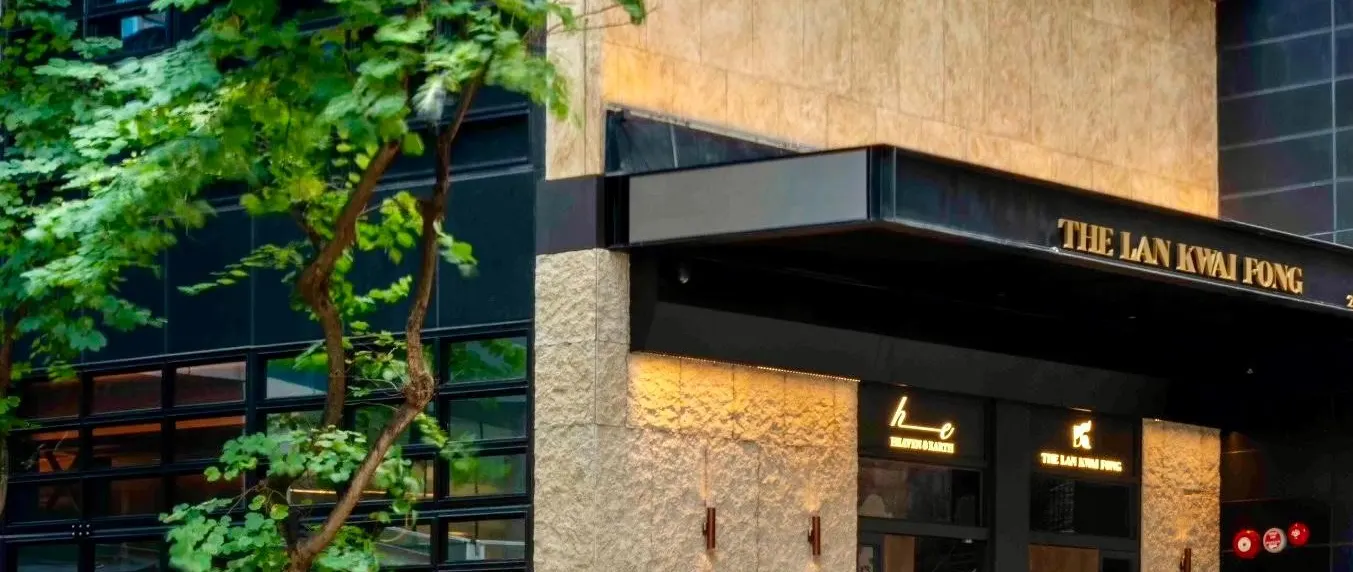
The operator presents the property as an urban private mansion, a design phrase that suggests intimacy and a sense of belonging to the city. The release describes a dynamic lighting façade and curated artwork in the lobby, creating a relationship between the building and the surrounding streetscape. The façade is said to change visually between day and night, reflecting the district's contrasting rhythms. For design-conscious travellers, this could be more interesting than a conventional luxury hotel that uses similar interiors in every destination. The success of the concept will depend on the execution: lighting should contribute to character without compromising comfort, while the artwork needs to be thoughtfully placed and explained. Guests may enjoy a hotel that encourages engagement with its neighbourhood, but they should not confuse design claims with independent art-historical evaluation. A smaller hotel can offer a coherent identity, yet the quality of daily service and maintenance remains as important as the appearance of the entrance.
Three approaches to a guestroom
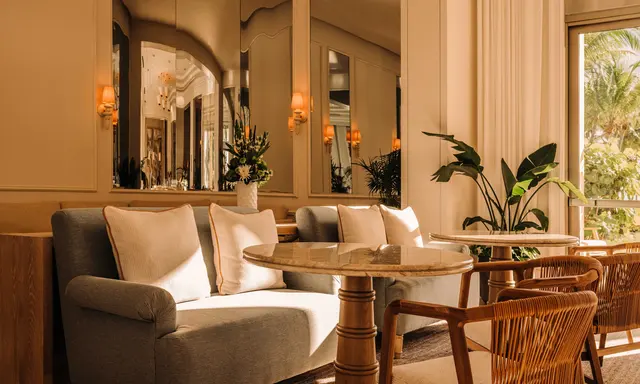
Hilton identifies three distinct room design styles and describes examples in its press release. The property includes a King Lan Kwai Fong Suite and other guestroom categories, with interiors designed to express different moods. The photographs published with the announcement show contemporary furnishings, decorative materials and the relationship between private rooms and communal spaces. Such images can provide useful visual guidance, but they do not prove the view or floor plan of every room in a category. Guests should confirm bed arrangements, storage and bathroom accessibility before making a booking. Someone staying for a weekend may prioritise a comfortable sleeping environment, while a traveller using Hong Kong as a base for professional meetings may need adequate desk space and reliable connectivity. A boutique concept does not remove practical travel needs. The appropriate category should be selected from actual specifications rather than inferred from the hotel's description as a private mansion.
Heaven and Earth dining
The hotel introduces a restaurant and bar experience called Heaven and Earth. The operator describes a pairing of modern Sichuan gastronomy and vintage-inspired cocktails, suggesting a venue that can attract both hotel guests and local diners. Sichuan cooking involves a broad culinary tradition, and an individual restaurant's interpretation should be evaluated through its actual menus and service. It would be premature to describe the venue as award-winning or claim that a particular dish is available on every visit unless those facts are independently verified. Guests planning a special evening should reserve directly and discuss dietary requirements or spice preferences. The restaurant could become a useful place for an informal gathering after a gallery visit, while the cocktail bar may appeal to travellers who enjoy distinctive interiors and a quieter setting than a crowded street. The most meaningful measure will be whether the kitchen and service deliver a coherent experience over time.
Design and Hong Kong's art culture
The relationship with Tai Kwun is one of the hotel's defining elements. Tai Kwun combines historic architecture and contemporary cultural programming, providing an opportunity to explore art in buildings with their own stories. Visitors should check what exhibitions are current rather than assume a general hotel description refers to a particular show. A thoughtful day could include a gallery visit, time spent observing the streets around Central and dinner at a venue that reflects the city's varied food culture. Independent galleries and shops may provide additional interests, but their hours can change. Travellers who collect art or design objects may want appointments with dealers and advisers. Those relationships should be approached professionally, with attention to provenance, condition and export requirements if a purchase is made. Hong Kong's cultural energy extends beyond a single institution, and a hotel in Central offers access to several overlapping communities of artists, collectors, residents and visitors.
What makes a boutique hotel luxurious?
Luxury is often associated with size, but a small hotel may focus instead on a distinctive atmosphere and a convenient location. The Lan Kwai Fong announcement suggests an emphasis on design, dining and the feeling of a private city residence. For guests, the test will be straightforward: how reliably staff provide service, whether rooms are quiet and well maintained, and how easily visitors can use the property. A comfortable bed, good air conditioning and efficient check-in may matter more after a long flight than an elaborate decorative statement. Guests should ask about luggage storage, arrival arrangements and the accessibility of common areas, especially if travelling with several family members. A distinctive design can make a stay memorable, but functional comfort remains essential. A smaller property should also communicate clearly which facilities it has and which services require arrangements elsewhere.
Walking through Central
A visitor staying near Lan Kwai Fong can experience several sides of Hong Kong without relying exclusively on a car. The district includes historic streets, commercial areas, restaurants and cultural sites. Walking can be rewarding, but the terrain and weather should be considered. High humidity or heavy rain can make even a short route uncomfortable, while steps and slopes may present difficulties for some guests. Comfortable footwear and realistic planning help. The hotel's proximity to Central MTR Station, as described by Hilton, may also support travel to other parts of the city. The usefulness of public transport depends on the traveller's circumstances and schedule. A visitor with many appointments or valuable items may prefer a professionally arranged car. There is no single correct way to explore Hong Kong; the best arrangement allows guests to move efficiently while having opportunities for spontaneous discovery.
A useful base for business and private travel
Hong Kong remains a regional hub for commerce, finance and professional services. Travellers involved in private aviation, art, collecting or yacht management may have reasons to visit that extend beyond tourism. A hotel in Central can offer practical access to meetings while allowing free time to be spent in cultural venues. However, the property should not be assumed to provide private business facilities, secure document handling or exclusive meeting rooms unless those are confirmed. For sensitive appointments, a client should arrange appropriate privacy and security. A well-located boutique hotel may suit an individual adviser or a couple travelling together, while a larger delegation might need more accommodation and event space. The choice should reflect the purpose of the trip. The Lan Kwai Fong's opening adds a new option rather than changing the city's underlying professional infrastructure.
How yacht owners might use the hotel
For a yacht owner visiting Hong Kong, the hotel's appeal would be as accommodation ashore. It does not provide direct marina access, and its central street address should not be represented as a yacht berth. The location of the vessel, harbour access, crew arrangements and maritime formalities require separate planning. Owners may choose to stay in the city while a yacht is being inspected or serviced elsewhere, or they may visit for meetings unrelated to the vessel. A boutique hotel could provide a convenient place for family members who prefer city accommodation during part of a regional trip. Yet it is important to consider the practical transfer between any appropriate yacht harbour and Central, particularly if guests have luggage or tightly scheduled appointments. The hotel's value is in the services and setting it actually offers, not in an invented maritime connection.
Comparing opening announcements with experience
A newly opened hotel can look compelling in official photography, but independent quality becomes clearer through real stays over time. The announcement establishes the property as open, describes the 41 rooms, identifies three design styles and introduces Heaven and Earth dining. It does not provide audited guest-satisfaction data or a long history of service. Travellers should therefore ask practical questions about current opening hours, the restaurant's schedule and the facilities available during their dates. Some newly opened properties develop their operations after launch, and management may refine procedures as staff gain experience. This is normal, but important occasions deserve a clear understanding of what can be guaranteed. A good booking conversation can identify any special arrangements needed for the trip. The hotel's potential is interesting, while the actual experience should be assessed on delivery.
Privacy, nightlife and the city
The surrounding Lan Kwai Fong district is associated with a lively evening atmosphere. That character may be a major reason to stay, but it can also mean activity outside late into the night. Guests who value privacy and quiet should enquire about room location, sound insulation and the relationship between accommodation and the hotel's own bar or restaurant. An urban hotel cannot promise the isolation of a private island retreat. Its advantage is precisely the connection to surrounding life. Travellers should decide which type of environment they prefer before booking. Families may want to consider how easily children can move through busy streets and whether particular outings suit their ages. A little attention to these questions can help guests enjoy Hong Kong's energy without finding it overwhelming. The right accommodation is one that fits the individual traveller's expectations, not simply the most fashionable address.
A design-led addition to the hotel market
The Lan Kwai Fong is notable for its scale and location rather than because it represents a new category of luxury itself. Hilton's Tapestry Collection has added a 41-room hotel opposite Tai Kwun, bringing an individual interior concept and a modern Sichuan restaurant into Central. The property could appeal to travellers who want to experience the city through its arts, food and neighbourhood culture. Its opening also shows how an established international operator can work with a smaller and more distinctive format. The challenge is to preserve that identity while delivering reliable service. For Luxury Yacht Guide readers, the new hotel is a potential stop within a wider Asia-Pacific travel calendar, especially when an inland city experience is desired alongside coastal journeys. The practical starting point is to verify the accommodation and dining options available for the intended dates.
Official source and image attribution
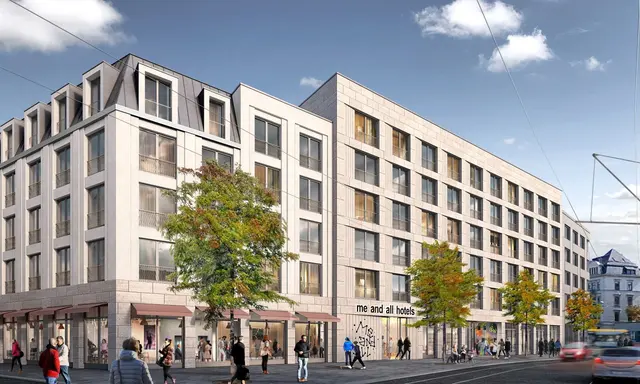
The opening, exact address, 41 rooms, three design styles and Heaven and Earth concept are confirmed in Hilton's original 24 November 2026 announcement. The lead image is the official hotel's exterior photograph distributed with the company's press release, not a simulated future development. Credit: Hilton / The Lan Kwai Fong, Tapestry Collection by Hilton; original media image and associated photographer rights retained. The photograph is used solely to illustrate independent coverage of the opening.