A major expansion of island hospitality
Hilton and Vietnamese developer Sun Group have announced four additional hotel agreements on Phu Quoc, extending their partnership to ten hotels across Vietnam with more than 5,000 rooms planned or operating. The 25 November 2026 announcement includes three proposed properties on Hon Thom Island and one in the Red Soil District of Phu Quoc's main island. Hilton says the four signings will add a combined 2,369 rooms, including the first Signia by Hilton development in Southeast Asia and the debut of Canopy Hotels and Tempo by Hilton in Vietnam. The numbers represent a combination of hotels at different stages, not ten completed buildings opening immediately. For Luxury Yacht Guide readers, this is particularly relevant to travellers interested in high-end resorts, private island-style experiences and longer itineraries around Southeast Asia. Phu Quoc has a coastal identity, but the development announcement does not provide navigational clearance or guarantee access for any private yacht. The main story is a growing hospitality proposition that may eventually create more choices for visitors, provided the planned properties reach completion and deliver the services described.
The scale of the new agreements
The four new signings add 2,369 planned rooms to an already extensive Hilton–Sun Group relationship. Three of the properties are intended for Hon Thom Island, part of the An Thoi archipelago, while the fourth is planned for the Red Soil District. Hilton's announcement says the partnership will ultimately span ten hotels across nine Hilton brands. That total includes properties already in operation as well as future developments, which should not be combined into an invented count of available hotel rooms today. Some of the planned properties have opening schedules years away. The scale may reflect confidence in Vietnam's long-term appeal to tourists and business travellers, but the company has not provided a complete return-on-investment forecast or audited future occupancy rates. Guests can use the announcement to understand where new options may emerge, while investors and prospective residents need to investigate each project independently. A large pipeline signals intention; operating performance must be established through delivered facilities and real customer experience.
Hon Thom's three proposed properties
On Hon Thom Island, Hilton says the new developments include Signia Hilton Phu Quoc Thom Island, Canopy by Hilton Phu Quoc Thom Island and Tapestry Collection by Hilton Phu Quoc Thom Island. Their opening target is the fourth quarter of 2028, and together they are expected to add more than 1,600 rooms. These are three distinct hotel concepts rather than alternative names for one property. Each brand is intended to provide a particular style of accommodation and service, but the actual difference will depend on the completed design and operations. A luxury traveller should be cautious about assuming that every hotel on a beautiful island offers equal privacy, dining or wellness facilities. The size of an individual property and its relationship with surrounding entertainment attractions may influence the guest experience. Hon Thom is described as part of an emerging tourism destination, which may attract visitors who value convenient organised activities. Others may prefer a quieter setting, making exact location and access especially important.
Signia's planned entry into Southeast Asia
The 933-room Signia Hilton Phu Quoc Thom Island is identified as the brand's intended Southeast Asian debut. Hilton describes Signia as combining elevated hospitality with dining, wellness and gathering spaces. This is a substantial proposed hotel in an island destination, not a small private villa retreat. For visitors organising large family gatherings or business events, the range of communal facilities could eventually be appealing. But anyone seeking exceptional seclusion should assess the relationship between room count, shared facilities and the layout of the grounds. The brand's positioning does not independently establish the size of every room or the level of personal service that will be available on opening day. Guests should also consider how the hotel will manage transport to and from the island, particularly outside peak holiday hours. At this stage the most important information is the confirmed agreement and intended opening window. Specific guest experiences need further verification as construction progresses.
Canopy and the role of local character
Canopy by Hilton is positioned around neighbourhood identity, design and locally connected experiences. On an island, that philosophy may require a thoughtful approach to the relationship with surrounding communities, businesses and cultural life. A brand can say it values local character, but its actual contribution will be visible through staffing, sourcing and the ways it encourages guests to explore responsibly. Travellers who enjoy discovering regional food and crafts may appreciate a hotel that works with nearby suppliers. Yet they should avoid assuming that all experiences offered by a large resort are authentic simply because they use local imagery in marketing. The final project will need to balance convenience with the character of the island. Owners of 12–24-metre yachts visiting the region may see such a property as a place for crew or family members to stay, but they must arrange vessel accommodation separately. The hotel pipeline is not a marina infrastructure announcement.
Tapestry Collection's individual approach
The third Hon Thom proposal, a Tapestry Collection by Hilton property, adds a further style of accommodation to the planned development. Tapestry is presented as a collection of individual hotels rather than a single uniform architectural template. Guests may find that appeal particularly interesting in destinations where the surrounding landscape and cultural context are important. But each project needs to deliver its own coherent design. The fact that a hotel belongs to a lifestyle collection does not guarantee that its rooms will be quieter, larger or more private than those of another brand nearby. Visitors should compare the actual specifications after construction and look at the facilities included in their preferred room category. For owners planning extended regional travel, a range of hotel types can make an itinerary more flexible: families and advisers may choose different accommodation according to their needs. The expansion could offer more choice, but that benefit remains prospective until the hotels open.
A fourth hotel on the main island
The new Tempo by Hilton property is planned in Phu Quoc's Red Soil District. Unlike the three Hon Thom properties, it will be on the main island, making its relationship to transport and surrounding activities potentially different. Hilton describes Tempo's intended entry into Vietnam through this agreement. The brand may appeal to travellers interested in contemporary design and a city-style approach to hospitality, though the exact room count and facilities need to be checked in the complete project details. A mainland-island location can influence access to restaurants, services and road transport, but a hotel description alone cannot confirm travel times. A visitor should establish the route from the airport, ferry or other relevant arrival point and consider how long it takes in practice. For a trip involving several locations, good logistics may outweigh the appeal of a particular hotel label. A well-chosen base is one that fits the purpose of the stay.
Existing and earlier announced hotels
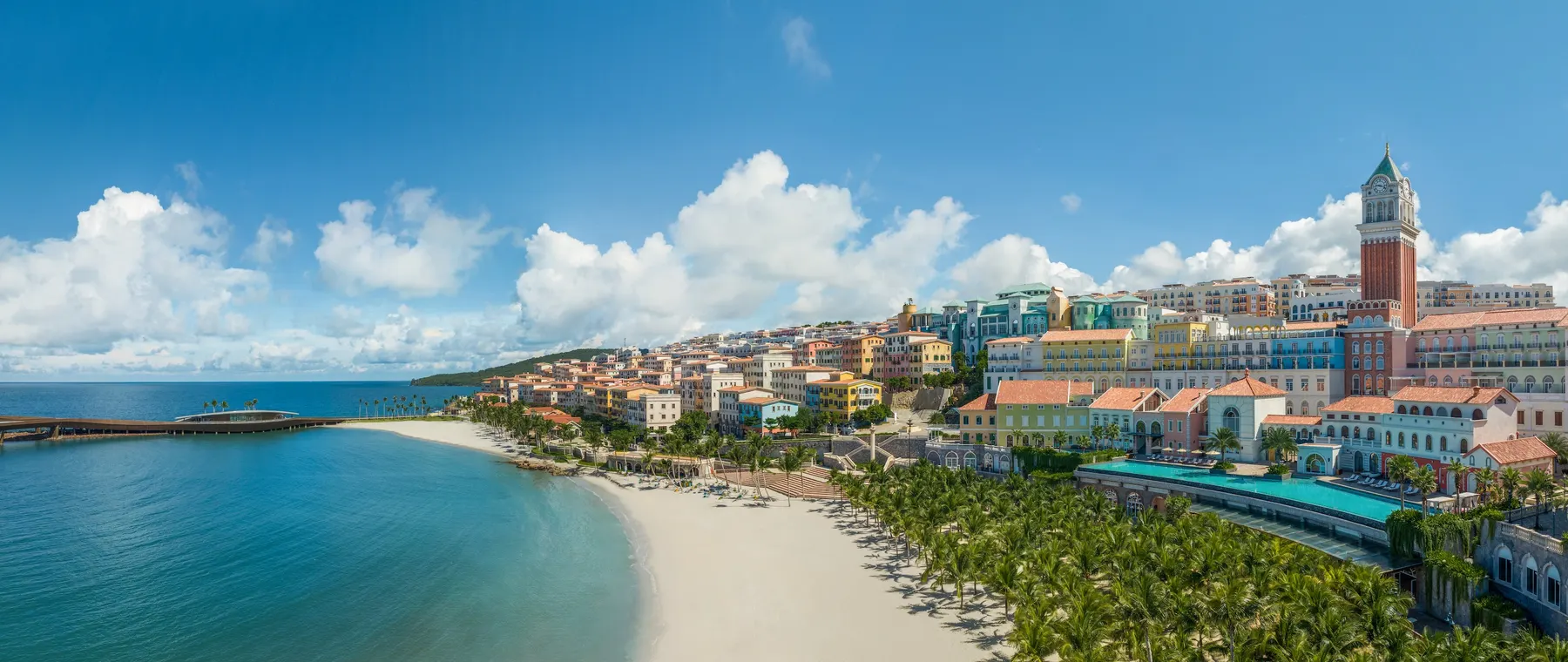
Hilton's wider pipeline on Phu Quoc includes earlier announced Conrad Phu Quoc, Hilton Phu Quoc and DoubleTree by Hilton Phu Quoc developments. It also names La Festa Phu Quoc, Curio Collection by Hilton, as an existing hotel already welcoming guests in Sunset Town. This distinction between operating and pipeline properties is important for travellers making near-term plans. A hotel that has signed a development agreement cannot accept a confirmed guest booking for a future date unless the operator has actually opened reservations and established terms. By contrast, an operating property can be evaluated through current services and verified guest information. The range of planned brands may create a varied hospitality landscape over time, but the daily experience of visitors will depend on how each hotel is run. Families should not combine resort promises from several different future properties into an imagined single holiday package. Services and access rights will be specific to the accommodation booked.
Vietnam's wider tourism ambitions
The announcement connects the expansion with preparations for the 2027 Asia-Pacific Economic Cooperation leaders' meeting on Phu Quoc and the development of surrounding tourism infrastructure. Major events can attract investment and public attention, but they do not guarantee that every proposed hotel or entertainment facility will be delivered exactly as scheduled. Long-term visitor appeal depends on transport, environmental management, local services and the quality of experiences beyond the event itself. Travellers interested in Vietnam may welcome more choices of high-end accommodation, while also wanting destinations that preserve their cultural identity and natural setting. The expansion is worth watching because it could change how international visitors plan stays in southern Vietnam. It does not by itself prove a rise in yacht traffic, new berthing capacity or future real estate values. Those would require separate evidence and analysis.
Da Nang and Quang Ninh in the partnership
Outside Phu Quoc, Hilton and Sun Group also identify an LXR Hotels & Resorts project under development in Da Nang and Hilton Quang Hanh Onsen Resort in Quang Ninh, which opened in February 2026. These properties illustrate the geographical spread of the partnership rather than implying that they are part of the same island. Da Nang is a coastal city in central Vietnam, while Quang Ninh is in the northeast. Travel between them requires separate planning and may involve flights or substantial road distances. A traveller with enough time might build a broader Vietnam itinerary around different cultural landscapes, but it would be misleading to describe all ten hotels as neighbours. A strong luxury travel experience can combine contrasting regions, provided the logistics and seasonal conditions are realistic. Before booking, visitors should investigate the specific operating property and avoid assuming that an undeveloped project is ready for guests.
Implications for yacht owners
A luxury yacht owner might see the Vietnamese coast and islands as destinations for future exploration, but the Hilton agreement is primarily about hotels. It does not establish a new superyacht marina, customs facility or berthing service. Anyone planning a passage in Vietnamese waters must consult current charts, entry requirements and qualified local agents. Navigation, shore connections and tender transfers should be planned independently of hotel marketing. The number of rooms proposed on Hon Thom cannot be converted into a forecast of yacht arrivals or available marina slips. Nevertheless, expanding high-end hospitality can matter to travelling owners. Family members may prefer to stay ashore during part of a regional itinerary, and a well-equipped hotel can support meetings, rest and private events. Owners with vessels under maintenance might also appreciate alternative accommodation. The benefit is the potential for additional hospitality choice, not a change to the responsibilities of the captain.
Environmental questions for island growth
A substantial new hotel pipeline raises questions about land use, freshwater demand, energy, waste management and the condition of nearby marine habitats. The companies' announcement focuses on the commercial partnership and planned services; it does not provide a complete environmental assessment for every property. It would therefore be inappropriate to claim that the projects are automatically sustainable or that their impact is fully known. Visitors who care about marine conservation can ask future operators what measures are in place and whether progress is publicly reported. Construction on an island destination may require careful management of coastal ecosystems and local communities. An attractive brand portfolio does not remove these obligations. Long-term success should include dependable infrastructure and responsible operations alongside comfortable rooms and restaurants. For luxury yacht travellers accustomed to noticing the condition of coastal waters, these factors can meaningfully influence destination choice.
Questions before making future plans
A traveller considering one of the proposed hotels should monitor confirmed construction and opening dates, rather than book travel solely on the basis of the November announcement. When reservations eventually become available, check room configurations, transfers, the availability of the services most important to the group and any special operating requirements. Families with children may need different facilities from a couple planning a quiet retreat. Owners considering a private event should seek detailed proposals covering venue exclusivity, transport and weather contingencies. Anyone making a property-related investment decision should seek independent professional advice, since this press statement is not a sales prospectus or a guarantee of financial performance. The four newly signed projects may become important parts of Vietnam's luxury hospitality landscape, but contractual clarity will matter more than brand expectations. A good travel plan can remain flexible as the developments move from agreements to construction and operation.
What the November announcement establishes
The key facts are clear: Hilton and Sun Group have added four proposed hotels, lifting their Vietnamese partnership to ten hotels across nine brands and more than 5,000 rooms at different stages. Three Hon Thom properties are targeting late 2028, while additional developments and an already operating hotel form part of the wider portfolio. The announced 2,369 rooms from the new signings represent future capacity, not accommodation available to every traveller today. For Luxury Yacht Guide readers, the interest is in how a major hotel group plans to broaden the range of luxury and lifestyle stays in a significant Southeast Asian coastal destination. The most useful next step is to follow each project's real milestones and evaluate its completed offering when it becomes available. The announcement deserves attention, but it is a beginning rather than a finished holiday experience.
Official source and development image
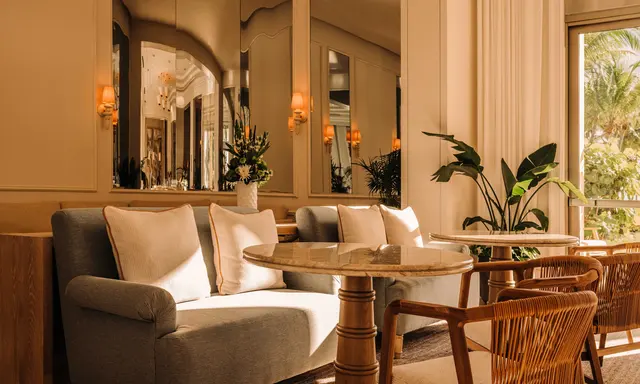
The hotel agreements, brand debuts, planned room counts, geographical scope and dates are reported in Hilton and Sun Group's official 25 November 2026 announcement. The lead visual is an original Hilton media-library photograph of La Festa Phu Quoc, a hotel already operating in the wider partnership and specifically identified by Hilton in the 25 November announcement. The image is contextual; it is NOT a rendering or photo of any future 2028 or 2029 hotel. Credit: Hilton / La Festa Phu Quoc, Curio Collection by Hilton; all other rights reserved.