A completed event and a documented donation
Four Seasons Hotel Kyoto has reported that its 2026 Terry Fox Run raised JPY 656,457 for cancer care and research, with a formal presentation to Kyoto University's Center for Cancer Immunotherapy and Immunobiology on 4 November. The hotel's announcement, dated 10 November 2026, follows a community event held on 27 September rather than publicising an upcoming race. That chronology matters. The sum is presented as a reported amount raised for the named beneficiary, not a forecast of future donations or proof of a specific scientific outcome. The operator says approximately 140 people participated in the city's third Terry Fox Run, completing a 2.5-kilometre route at their own pace. The event has a different character from a typical luxury-hotel dinner or spa launch. It illustrates how a property with international guests can also play a role in a local charitable initiative. The newsworthy point is the documented fundraising result and the handover, with the limits of the available evidence clearly acknowledged.
How the Terry Fox story travelled internationally
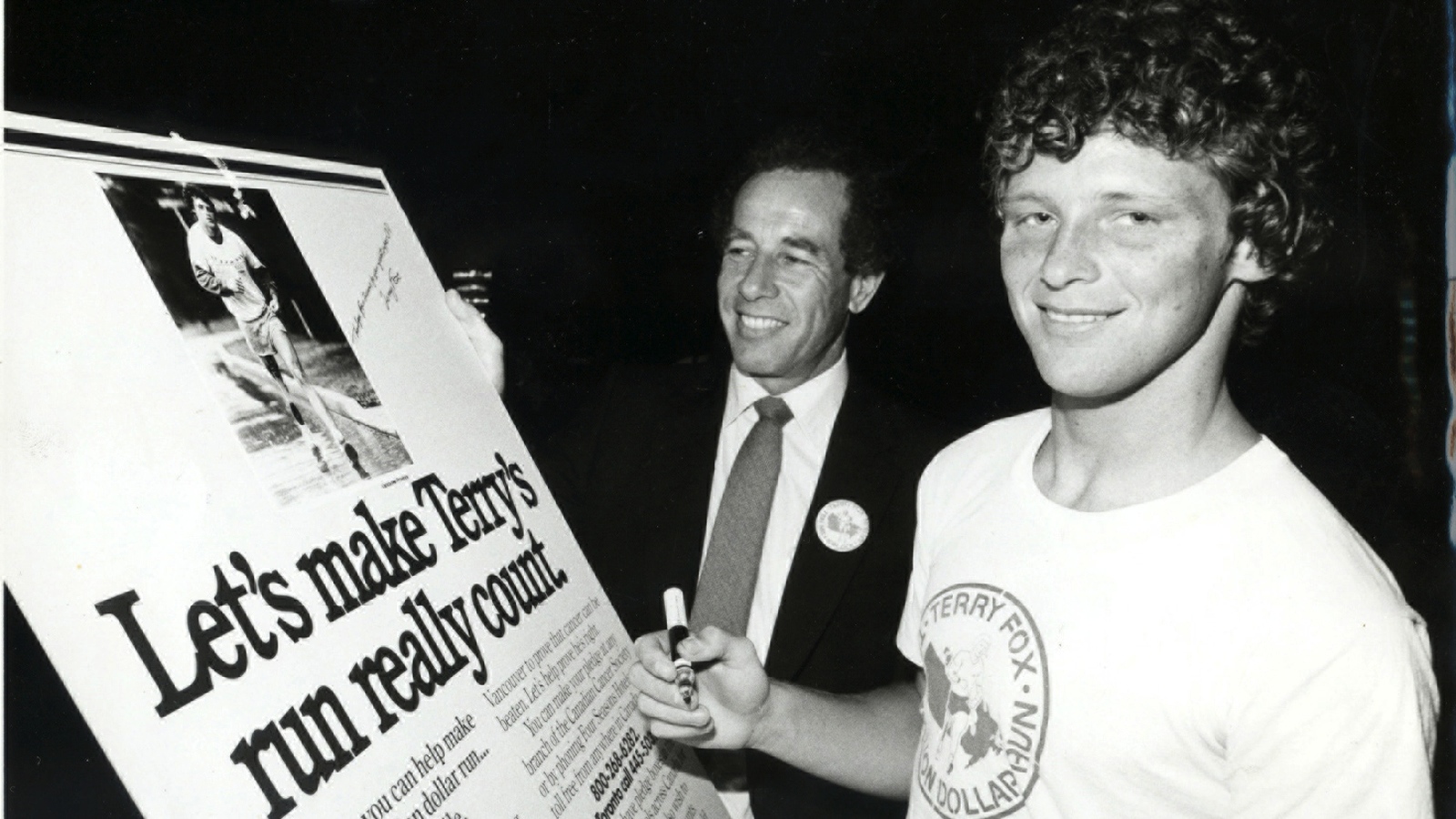
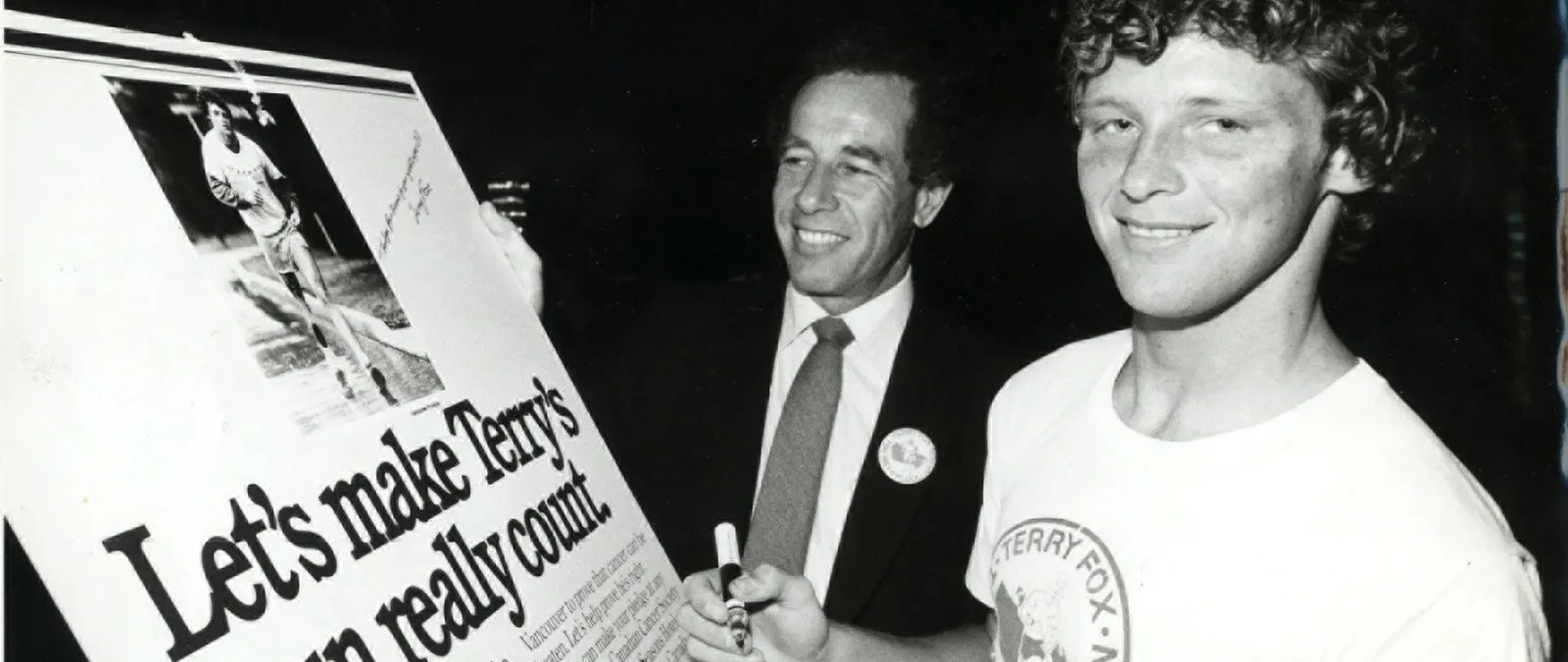
The Terry Fox Run takes its name from the Canadian athlete and cancer-research campaigner whose Marathon of Hope helped inspire charitable participation far beyond his own country. Terry Fox began his cross-Canada effort after losing a leg to bone cancer; illness later forced him to stop. His story has become a reference point for runs organised by different communities, schools and institutions. The Kyoto hotel invokes that legacy in explaining why it organises a local event. It is important to distinguish the historical movement from the particular fundraising arrangements in Japan. Participating in a run does not establish that an individual donation funds a specified experiment or guarantees a treatment advance. The hotel has identified the recipient institution and amount, which is a more useful basis for reporting than a general claim that the event will cure cancer. Visitors who want a fuller understanding of the campaign can consult the Terry Fox Foundation and the named research institution alongside the hotel's account.
A route designed for participation
Four Seasons describes a 2.5-kilometre course completed by participants of different ages at their own pace. The event was therefore reported as an inclusive community activity rather than a competitive road race with elite finishing times. The release does not publish a formal results table, medal winners or a record number of entrants, and it would be misleading to invent them. Approximately 140 participants is the operator's figure. A modest route distance can allow a wider range of participants to be involved, but participation in any physical activity still depends on an individual's abilities and circumstances. The official report does not provide a detailed accessibility audit of the route or information about every participant's fitness. The purpose described is collective support for research. This allows guests and local residents to join in a meaningful cause without making sporting performance the centre of attention. The actual experience of the September day would require direct participant testimony beyond the press statement.
The role of local and international partners
The hotel's account credits participants, partners and the Canadian Embassy with supporting the event. That international involvement is understandable given the origin of the Terry Fox movement, but the release does not explain the financial contribution or responsibilities of every individual partner. A partnership can take many forms, from helping promote an event to providing logistical assistance or making a donation. Rather than assigning credit beyond the evidence, it is more accurate to recognise the cooperation named by the organiser. The report describes the handover of funds to Kyoto University's Center for Cancer Immunotherapy and Immunobiology. Identifying the recipient precisely is important because donors may want to understand where the proceeds were directed. The university centre is a research institution, not a hotel-run treatment programme. The amount presented should not be interpreted as a patient's healthcare cost or the total budget of the centre. A documented transfer is a concrete outcome, while the scientific use and eventual effects of the funds are separate questions.
A November handover after a September run
There is a meaningful sequence of events in the official notice. The Terry Fox Run took place on 27 September 2026. On 4 November, the hotel hosted a presentation of proceeds to the university centre. The report was released on 10 November. Keeping these dates separate prevents an article published on 25 November from making the event sound as though it had occurred that morning or remained open for registration. The fundraiser had already happened, and the later announcement provides a new record of the reported financial result. That makes the story closer to a community-impact report than to a travel invitation. Readers may still find it valuable because it connects an international hospitality business with an identifiable local institution. Future participation opportunities cannot be assumed from the 2026 schedule, and no details have been supplied for a 2027 edition. Anyone wishing to join a later run should seek an official announcement rather than relying on this year's route, date or arrangements.
Why hospitality businesses organise community events
A large hotel is not only a place where guests sleep or dine. It employs staff, buys services and interacts with the community that surrounds it. Fundraisers can bring together employees, residents, partners and visitors in ways that ordinary commercial operations may not. The Kyoto event illustrates one model: the hotel acts as organiser and supporter for a recognised charitable cause. Such involvement can be socially meaningful, but its effects should not be overstated from one fundraising number. An annual event does not, by itself, prove that all a company's operations are socially responsible or that a local community endorses every corporate decision. The appropriate measures include transparency about the beneficiary, the amount raised and the opportunities for participation. Here, the hotel has supplied those basic facts. Readers can regard the report as evidence of a particular completed project rather than a comprehensive assessment of the property's wider social or environmental record. That distinction encourages genuine accountability.
The management perspective
General manager Fanny Guibouret describes the run as a way to continue Terry Fox's legacy and express the value of working together in the local community. Her statement conveys the hotel's motivation as management describes it. It does not establish the private views of every participant or confirm how all funds will be spent by the research centre. Leadership can help make an event visible, but many practical contributions are made by organisers, volunteers and participants whose individual efforts may not appear in a press release. A balanced report avoids treating a charitable event as simply a branded marketing initiative or, conversely, as unquestionable proof of altruism. The verified facts are the collaboration, approximate attendance, short route, named recipient and reported donation. Guests who value philanthropy may find the example interesting; others may use it as a prompt to examine the local commitments of hospitality companies they visit. Neither response requires an unsupported judgement about the hotel's entire reputation.
Research funding and responsible language
Fundraising for cancer research is important, yet it is especially necessary to avoid medical overclaims. The Kyoto University centre is described by the hotel as working on cancer immunotherapy and immunobiology. Those fields involve complex research questions, and the announcement does not identify a specific experiment paid for by the JPY 656,457 contribution. It also makes no claim that the donation has produced a treatment or changed patient outcomes. An editorial account should not fill that gap with imagined laboratory activities. Readers who wish to understand the centre's actual projects can consult the university's scientific publications and official information. Likewise, a charitable run is not a medical programme for participants. Joining an activity may provide social enjoyment and a sense of purpose, but the September event is not evidence of a health benefit for any named attendee. Separating fundraising outcomes from scientific and personal-health outcomes is a basic obligation when discussing a medical cause.
Kyoto beyond the hotel's charitable calendar
Kyoto is widely visited for its historical districts, gardens, design traditions and cultural institutions. A hotel-connected community event offers an additional perspective on the city: one in which residents, international organisations and visitors can cooperate around a cause without making tourism the only point of contact. That said, the Terry Fox Run was a specific event in September, and travellers should not expect to encounter it during an unrelated November or December stay. Nor does the release provide a route map suitable for recreational travel or establish public access to every part of the event course. Visitors interested in participating in local initiatives should seek current information through organisers and community groups. The important travel insight is less about recreating this one run and more about recognising that a destination's life continues outside its visitor attractions. A luxury stay and meaningful engagement with a local cause can coexist, but participation should be based on informed choices, respect and accurate expectations.
The recorded outcome
Four Seasons Hotel Kyoto reports JPY 656,457 raised through its third local Terry Fox Run, held on 27 September 2026 with approximately 140 participants. The proceeds were presented on 4 November to Kyoto University's Center for Cancer Immunotherapy and Immunobiology, and the hotel published the account on 10 November. Those dates, amounts and names make the story independently identifiable and distinguish it from generic commentary about corporate giving. The announcement is not evidence of a new hotel amenity, a future run booking or a completed scientific breakthrough. For Luxury Yacht Guide readers, it provides a documented example of the relationship between international hospitality and local charitable work. The reporting remains grounded in the organiser's record, with official images clearly credited as press material rather than claimed as photographs taken by this newsroom. Further facts about the research programme or later events should be published only when supported by new official information.
Sources and image credits
Reporting based on Four Seasons Hotel Kyoto official 10 November 2026 Terry Fox Run fundraising statement.
Lead photograph: Kyoto Terry Fox Run Raises JPY 656,457 for Cancer Research — first-party Four Seasons press-room photograph. © Four Seasons Hotels and Resorts and original image rights holder; official illustrative press photograph accompanying the source release. Original official image source.