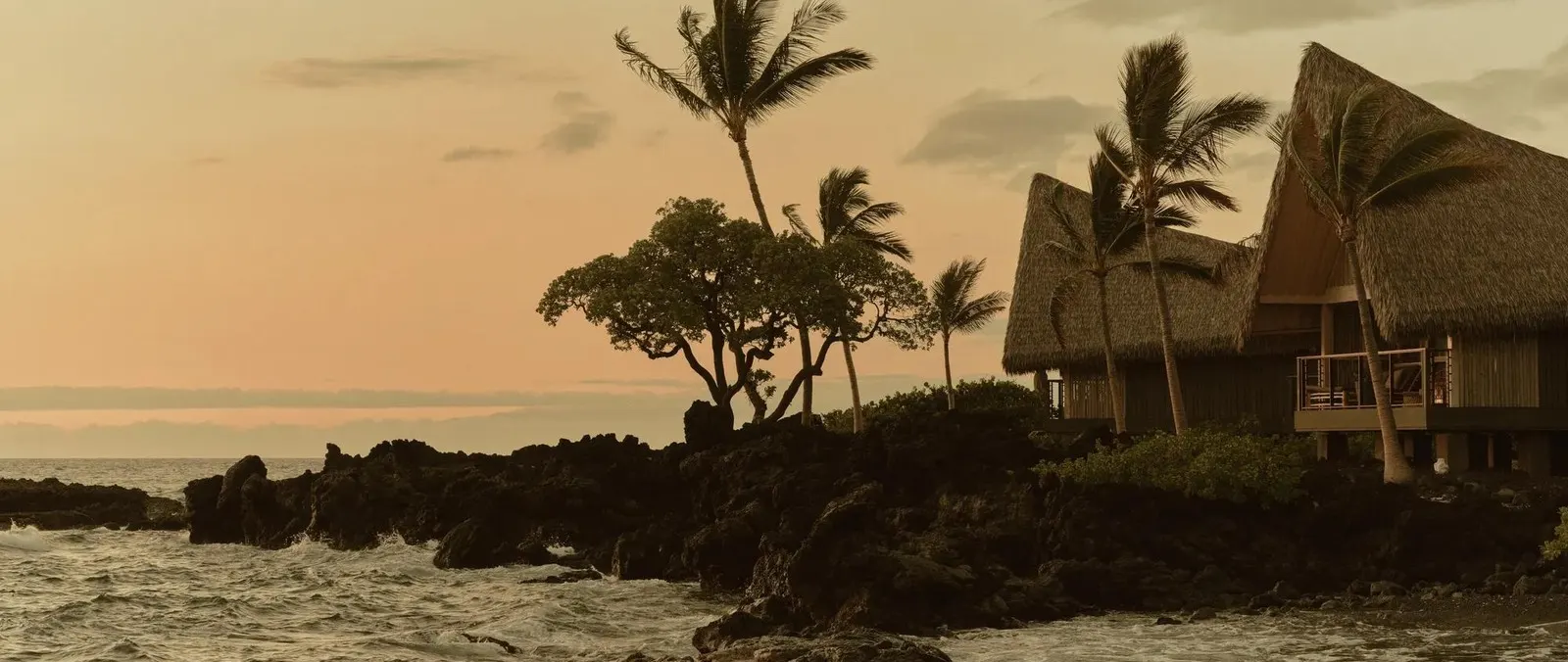
Kona Village, A Rosewood Resort, has retained Three MICHELIN Keys for a third consecutive year, preserving its position as the only hotel in Hawaiʻi with the Guide’s highest hotel distinction. The result places the Big Island resort among a small group of properties in the United States judged to deliver what MICHELIN describes as an extraordinary stay.
The recognition is particularly notable because Kona Village reopened only in 2023 after an extensive reimagining of the original Hawaiian hideaway. Its current identity therefore depends on balancing memory and modern luxury without turning the property into a nostalgic recreation of what stood on the site before.
The resort is built around a low-rise sense of place
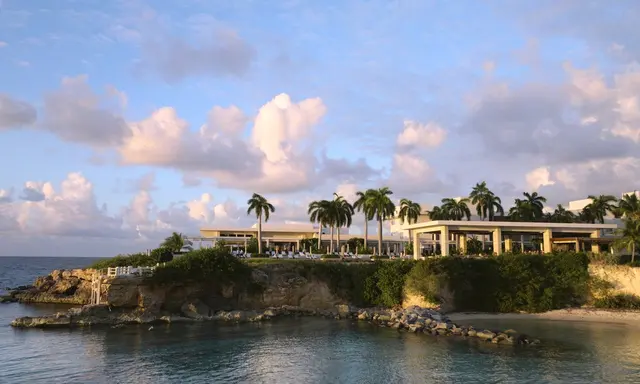
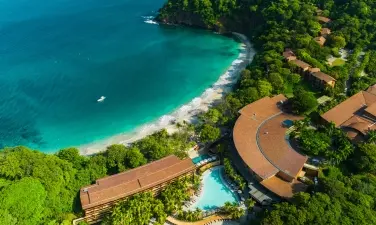
Kona Village spreads across the coastline rather than concentrating guests inside a large hotel block. Standalone hale-style accommodation, pathways, vegetation and open coastal spaces create a rhythm closer to a village than to a conventional resort tower.
This format gives architecture and landscape equal importance. Guests move through the property outdoors, and the relationship with the ʻāina, or land, becomes part of the experience rather than a view available only from selected rooms.
Cultural interpretation is central to the Rosewood approach
The resort has placed Hawaiian language, history and cultural practice within its guest programme, working with local knowledge rather than presenting the destination only through resort amenities. That can include storytelling, craft, food and guidance on how the site connects with the history of the surrounding coast.
For international travellers, this kind of interpretation is increasingly important because visual luxury alone is easy to reproduce. A deeper relationship with local culture creates an experience that cannot be moved intact to another island or another country.
Three Keys set a high bar for service and consistency
MICHELIN’s Three Key designation is intended for properties that operate at the top level across comfort, service, character and destination value. Retaining the award matters more than receiving it once because repeat recognition suggests that standards have survived beyond reopening attention and initial launch momentum.
Kona Village is also one of only a small number of Three-Key hotels in the United States. That gives the property a useful independent reference point for travellers comparing high-end resorts across Hawaiʻi, California, New York and other major luxury markets.
The Big Island offers a different proposition from more developed Hawaiian resorts
The island’s scale, volcanic landscapes and relatively dispersed development create a different rhythm from Waikiki or some of Maui’s denser resort corridors. Guests can combine beach time with excursions that move quickly into dramatically different terrain.
For yacht owners arriving in Hawaiʻi, this gives the resort appeal as a land extension to a wider Pacific itinerary. The emphasis is less on urban access and more on privacy, nature and the feeling of moving into a self-contained coastal environment.
Recognition reinforces Rosewood’s place-led strategy
Rosewood has increasingly defined its luxury positioning through properties that aim to feel specific to their destination rather than identical across markets. Kona Village is one of the clearest tests of that philosophy because the history of the site is unusually important to how guests and local communities understand the property.
Three consecutive years of top MICHELIN recognition suggest that the model is working at an operational level as well as a design one. The longer-term challenge will be maintaining that standard while preserving the environmental and cultural qualities that make the resort distinctive.