A first full safari season for a new retreat
JW Marriott Ranthambore Resort & Spa is preparing for its first complete safari season as Ranthambore National Park's core zones reopen to visitors. The areas reopened on 1 October 2026 after the seasonal closure, and Marriott marked the occasion with a 5 October announcement about the resort's accommodation and activities. The property opened earlier as Marriott Bonvoy's 10,000th hotel worldwide and its eleventh JW Marriott address in India.
The new season matters because the adjoining park is one of Rajasthan's most recognised wildlife destinations, but the hotel's programme reaches beyond the hours spent on a safari vehicle. Marriott is presenting the retreat as a base for encounters with local crafts, outdoor surroundings, food and family activities. Safaris remain subject to park permits and availability, and the opening of the core zones should not be mistaken for a guarantee of animal sightings.
One hundred and twenty-seven places to stay
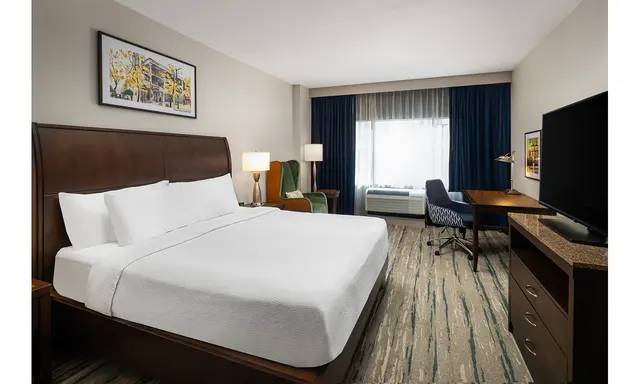
The resort has 127 accommodation units across rooms, tented suites and villas. There are fourteen tented suites, including four with private temperature-controlled pools, and ten family villas with their own pools. The offering also includes a Presidential Suite, executive rooms overlooking the lake, junior suites with garden access and more conventional guestrooms. These variations give different travel groups options for outdoor space and privacy.
Guests planning a stay around early morning park visits may place a premium on a practical room layout and quiet rest between excursions. Larger families may prefer a villa, while couples may find a suite more appropriate. The announcement does not suggest that every room has a pool or a lake view, so the particular category and its inclusions should be confirmed in the reservation rather than assumed from the resort's promotional imagery.
Between the Aravalli and Vindhya landscapes
The hotel's location brings it into a distinctive part of Rajasthan where the Aravalli and Vindhya ranges meet. Beyond the national park's wildlife, the region includes historic buildings, wooded hills and lakes. Marriott points to Ranthambore Fort, a UNESCO-listed monument, and Trinetra Ganesh Temple among the sites that can give travellers a fuller understanding of the area after a morning spent exploring the forest.
Travellers should distinguish an excursion arranged through the property from entry to a protected area regulated by authorities. Visiting a fort or temple and taking a game drive involve different practical requirements, including travel times and local schedules. The value of staying close to Ranthambore is having several possible ways to experience the region, not expecting a single activity to describe its entire cultural and natural character.
Activities for days away from the park
The programme includes guided nature walks, pottery and bangle-making sessions with local artists, art walks and camel-cart experiences. Guests can also use a pickleball court, try soft archery or play in the resort's bowling alley. A Culinary School gives visitors the chance to book private sessions with a chef, adding a participatory element to the property's food offering.
Such activities become important when park access is limited or when members of the same travelling group have different interests. A wildlife-focused visitor might leave at dawn, while another guest chooses a later workshop or time by the pool. Availability and charges can vary between experiences, and the hotel's published examples are a menu of possibilities rather than an assurance that every option runs every day.
Dining with references to Rajasthan
The hotel offers several distinct dining settings. Skyloft takes inspiration from the machan, an elevated observation structure traditionally used to survey the landscape, and draws on the historic royal cooking of Mewar and Marwar. Roar serves as an all-day restaurant with international choices, while the poolside Elan bar offers lighter food and drinks. JW Market combines coffee, provisions and a retail element featuring Indian brands.
Marriott also describes a JW Garden where fresh produce is cultivated for use in parts of the food and drinks programme. The emphasis on regionally informed ingredients and recipes gives guests a way to encounter local influences without leaving the resort. Travellers with specific dietary requirements or expectations about a particular menu should check directly with the dining team, since listed concepts do not establish the dishes available on every date.
Spa by JW and family spaces
Spa by JW has six treatment rooms together with steam, sauna and jacuzzi facilities. Its treatments take inspiration from Ayurvedic approaches to personalisation, which Marriott describes using the traditional concept of a dosha. The resort also has a fitness centre and pool. Those are amenities for relaxation and exercise rather than evidence of particular clinical health benefits.
Family by JW provides indoor activities through a children's club called Eureka. Replay, a games area, includes mini golf, a remote-controlled car track and speed cricket. These options may help families balance an early safari with less demanding play later in the day. Parents should establish suitable ages, supervision arrangements and any booking requirements rather than assume every facility is a staffed childcare service.
Architecture that responds to the setting
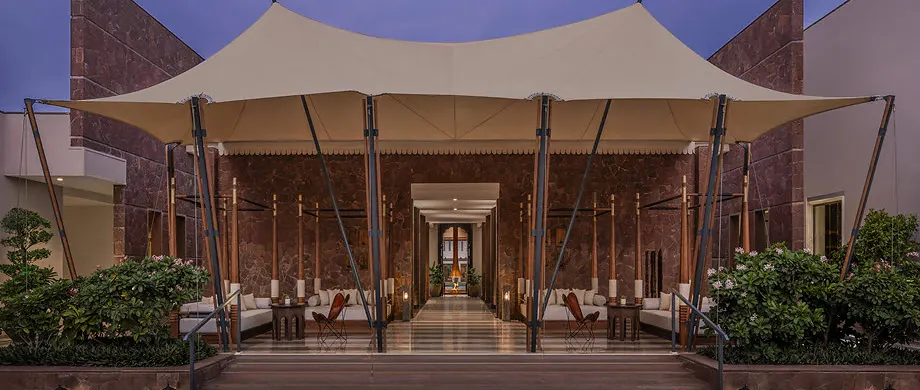
The property's interiors were developed with Singapore-based Ashton Design, drawing on earthy colours, natural materials and courtyards intended to connect the buildings with the surrounding landscape. Planting includes kaner, jamun, mango and mulberry. Marriott also notes several bird species observed around the grounds, including Purple Sunbirds, Indian Paradise Flycatchers and White-throated Kingfishers.
Those details make the landscaped parts of the resort another place to spend time, especially for guests interested in photography or birdwatching. The hotel is not a substitute for the national park and does not offer the same kind of wildlife encounter. A thoughtful visit respects the difference between shared resort spaces and protected habitats while taking opportunities to notice the smaller details between organised outings.
Planning the journey and park access
Marriott places the property about thirty minutes from Sawai Madhopur railway station, around three hours from Jaipur International Airport and approximately five hours from Delhi's Indira Gandhi International Airport. These are indicative journey times rather than guaranteed transfers. The resort also lists several event venues with a combined meeting and function programme, which may attract weddings and business groups alongside holiday guests.
Anyone arranging a safari-led stay should check the park's current opening rules, booking arrangements and approved vehicle options before committing to non-refundable travel. The reopening of the core zones is a practical milestone, while sightings remain unpredictable and weather can change daily plans. The first full season allows travellers to combine that experience with a modern resort offering cultural activities, family facilities and time to rest.