A small capital centred on its harbour
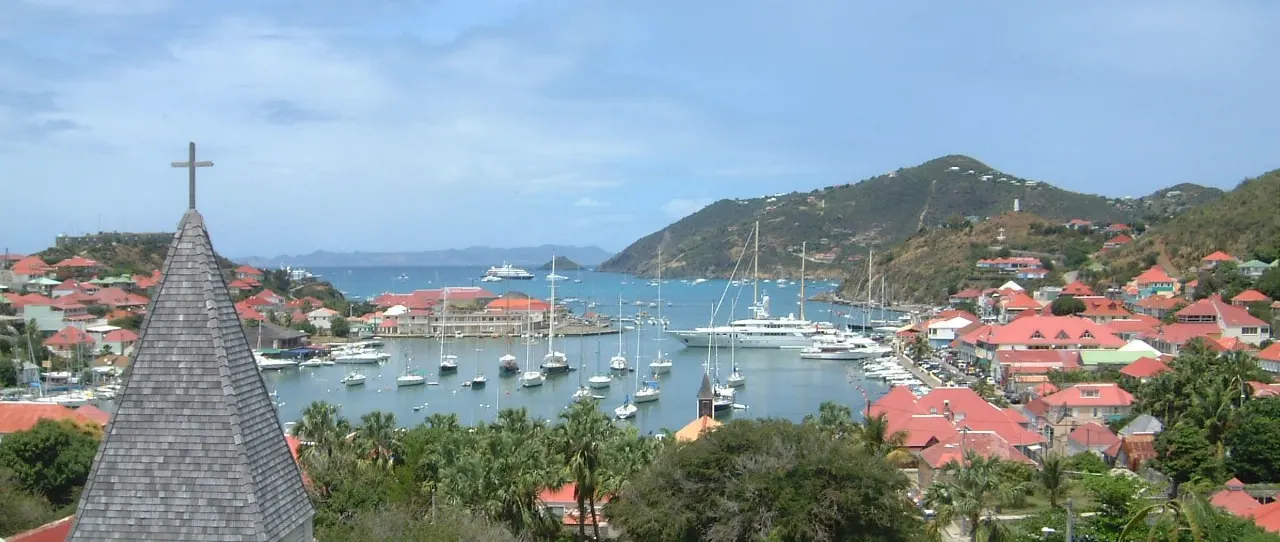
Gustavia, the capital of Saint Barthélemy, offers a yacht arrival with a distinct sense of place. The waterfront bends around an attractive Caribbean harbour, while narrow streets and hillside views reveal the island's French and Swedish historical layers. The Saint Barth tourism office describes the town through its port, restaurants, shops and cultural atmosphere. For an owner-operated luxury yacht between 12 and 23.99 metres, the destination appeals because so much of the stay can happen on foot once the boat is properly secured. That convenience should not obscure the harbour's operational limits: a scenic port may be in high demand, and berth arrangements must be confirmed before an arrival is planned.
Treat the harbour as a working port
The Port de Gustavia is administered by the local collectivity, which provides harbour information and contacts through its official website. The environmental agency's visitor guidance also directs skippers to contact the harbour master's office on VHF Channel 12 before manoeuvring. Such instructions are important because the harbour accommodates different types of traffic in a compact setting. Visitors should not infer a berth simply because they see an empty section of quay. Confirm current rules for anchoring, moorings, berthing, tender landing and arrival formalities directly with the port authority. A luxury-yacht holiday is more relaxing when the opening hours and operating procedures are known in advance.
A harbour arrival is not a reservation
Seasonal popularity can make the difference between an easy overnight call and a stay requiring considerable planning. Gustavia is associated with high-profile visitors and events, but the harbour is not exclusively for enormous yachts. Smaller owner-operated vessels can also be part of the scene, subject to the port's actual capacity and permission. A skipper should supply overall length, beam, draft, expected arrival time and intended stay when requesting arrangements. It is unwise to promise guests a specific waterside view before the port has confirmed the berth or mooring. Alternative plans should remain available if the conditions or space are unsuitable.
The approach and environmental setting
Saint Barthélemy is an island destination where marine protection deserves particular care. The island's environmental agency publishes guidance for activity on the water and information on restrictions beyond the port's general rules. Visitors need to understand where manoeuvring, anchoring and access are permitted rather than treating every picturesque bay as an unrestricted place to drop anchor. Coral and marine habitats can be vulnerable to careless anchoring or tender use. This guide does not provide passage directions or a substitute for local navigation notices. Skippers should consult current charts, weather forecasts, harbour instructions and protected-area regulations before making operational decisions.
Walking Gustavia at harbour pace
One of the town's pleasures is that its scale encourages walking. A morning can begin near the quay, continue through the shopping streets and return to the waterfront for a leisurely lunch. The official tourism office highlights Gustavia's mix of French and Swedish influences, which becomes more interesting when visitors look at street names, buildings and the shape of the town instead of focusing only on fashionable boutiques. Luxury here is not necessarily about spending heavily. It may be the freedom to leave the yacht safely berthed and explore the town in comfortable clothes, with no vehicle or tightly planned excursion required.
A Swedish chapter in Caribbean history
Gustavia's heritage distinguishes it from many Caribbean ports. The town retains reminders of its Swedish period, and the historic Fort Gustaf site offers a perspective over the harbour. Local visitor information describes the fort's history and its remaining features. It is worth approaching these places as evidence of the island's layered past, rather than as a decorative backdrop to a yacht photograph. A walk uphill can also help visitors understand the harbour's geography and the way the town grew around it. Terrain and heat deserve consideration for older guests or anyone planning the outing at midday.
Viewpoints without a packed schedule
A rewarding Gustavia stay leaves room for small discoveries. Harbour viewpoints reveal vessels from an angle that makes their movements and scale easier to appreciate. Streets away from the water provide a quieter sense of daily town life, while cafés offer a natural place to pause. The exact shops and restaurants operating in a particular week will change, so live local information matters more than a rigid list of recommendations. A family might spend an afternoon in a relaxed waterfront setting; a couple could prefer an evening walk as the light softens. The destination's compactness permits both without turning leisure into logistics.
Food is part of the port experience
The Saint Barth tourism office includes dining among the attractions of Gustavia. The island's hospitality scene encompasses casual and high-end options, but reservations and opening dates can be seasonal. A yacht owner should not assume that a restaurant featured in a magazine remains open at the intended time of travel. It is sensible to book any especially desired dinner, then leave other meals flexible. A long lunch ashore can be an excellent way to allow the crew time off the boat, while an evening on board offers a different pleasure: watching harbour activity from the cockpit with fresh provisions and a simple meal.
Retail without letting shopping dominate
Gustavia's boutiques are well known, but shopping is only one element of its appeal. A yacht stay can combine a short retail visit with architecture, harbour views and a walk connected to the island's history. This is a useful distinction for owners travelling with guests whose interests vary. Some will enjoy finding designers and specialist shops, others will be happier taking photographs and exploring the waterfront. A successful itinerary does not force everyone into a single type of luxury experience. Because opening hours and retail line-ups can change, visitors should check current listings rather than treat older shop directories as permanent.
The question of onward cruising
An owner considering Saint Barthélemy as one stop on a wider Caribbean voyage should plan the next passage with care. Distances, weather windows, clearance procedures and the suitability of onward harbours will influence the schedule. The island has connections by air and ferry, but those are separate arrangements from a yacht's own movement. Guests joining or departing can therefore complicate an otherwise flexible cruising itinerary if transfers are not coordinated. The best plan allows time to clear formalities and avoids assuming that the yacht can depart at a fixed hour regardless of wind, sea state or harbour traffic.
Ashore facilities and the yacht itself
Before settling into the town, an owner should check what utilities and services are available at the assigned berth or mooring. Shore power, water, waste disposal, fuel and technical support should never be assumed solely from the port's reputation. The local harbour authority can identify current arrangements, while any independent service providers need direct confirmation. A smaller yacht can be comfortable for a multi-day stay if these necessities are planned. It may also need careful tender logistics if the allocation is offshore. The freedom to enjoy Gustavia is closely linked to the unglamorous details being handled in advance.
When to visit
Gustavia's character changes with the season and the events taking place around the island. A busy period can be exciting for people who enjoy watching other yachts and experiencing waterfront social life, but may make reservations and privacy more difficult. Quieter periods can permit a different pace, though weather and service availability may change. There is no universally perfect time for every crew. Owners should align expected harbour demand, sea conditions, restaurant plans and guest preferences rather than rely on a generic 'best month' claim. The date of the visit matters as much as the destination itself.
A thoughtful two-day stay
An attractive short visit might start with an easy waterfront walk after arrival and a meal chosen close to the berth. The next morning can be spent exploring historic streets and visiting a harbour viewpoint, followed by a relaxed afternoon and time aboard. Guests who prefer shopping can fit it between those activities without taking over the day. If a third night is available, add a wider island outing using locally confirmed transport and access information. This sequence is a suggested rhythm, not a package itinerary. It assumes that navigation, permission to stay and weather checks have already been handled responsibly.
What makes Gustavia worth returning to
Gustavia works because its harbour identity extends beyond yachting prestige. It is a small Caribbean capital with a walkable centre, identifiable historical landmarks and the pleasure of moving between yacht and town without a long transfer. Official port and environmental guidance make clear that the marine setting needs respect, while tourism information points to the cultural rewards ashore. For the 12–23.99-metre luxury yacht owner, the compelling proposition is an intimate port stay shaped by good preparation. Arrive with the practicalities settled, then allow the town to unfold at its own pace.