Four Seasons Resort Nevis and the Sea Turtle Conservancy are marking two decades of work studying endangered nesting turtles on the Caribbean island. Their partnership, founded in 2006 with participation from the Nevis Turtle Group, combines satellite tracking, beach protection and public education to understand animals that travel far beyond any one island's waters.
Tracking reveals connections across the wider Caribbean
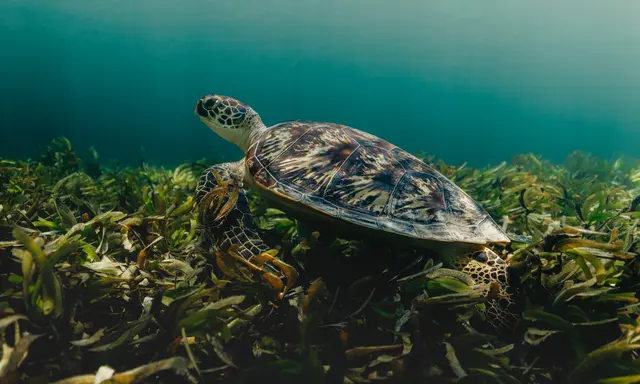
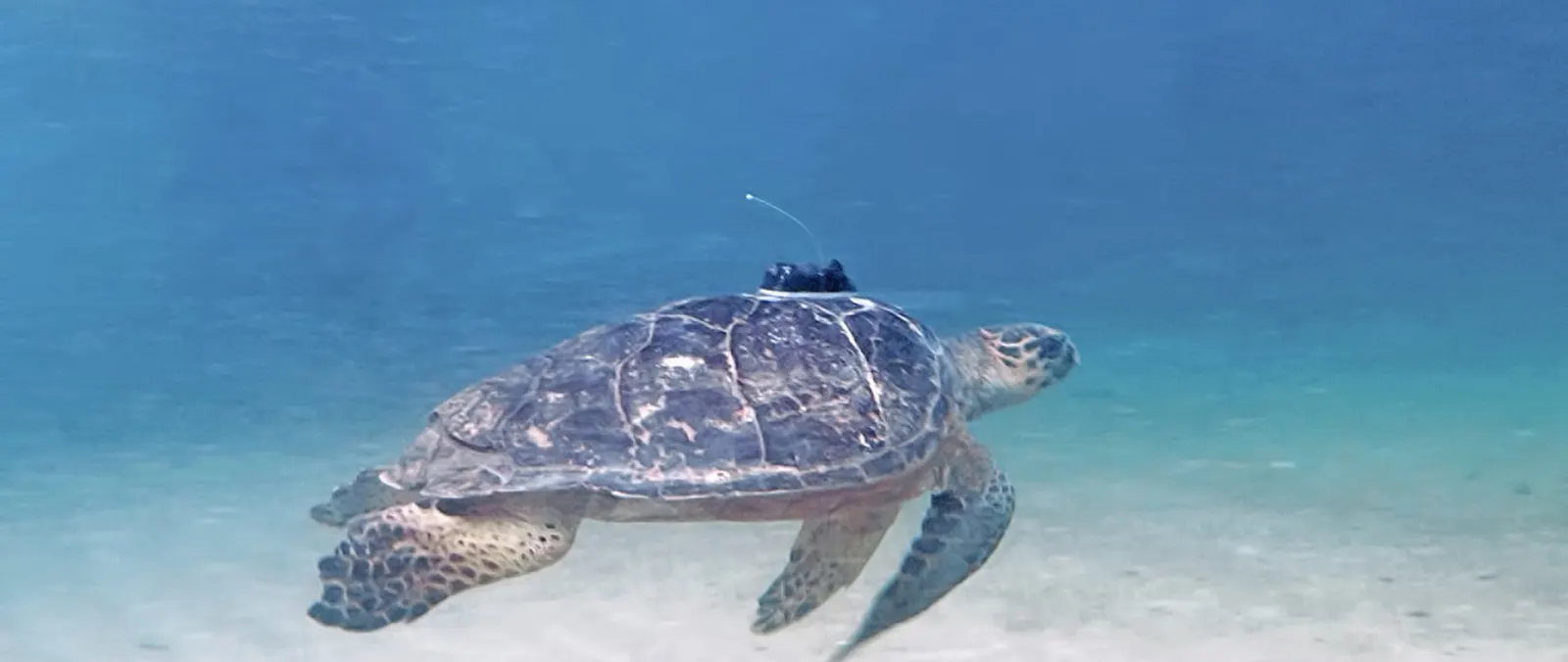
Over the twenty-year collaboration, researchers have fitted satellite trackers to more than thirty sea turtles nesting on Nevis. The work concentrates particularly on critically endangered hawksbill turtles, while also considering green and leatherback species. Mapping the animals' movements after nesting provides information about migration and feeding areas that beach observations alone cannot reveal.
The partnership reports some hawksbills travelling more than 2,600 kilometres from Nevis toward Central American waters. One tagged turtle was followed for six consecutive years, demonstrating the value of sustained observation rather than relying on one nesting season. A single island's conservation measures cannot protect an animal throughout such a wide range, which is why the migration evidence matters.
Nesting beaches require daily practical care
The resort describes turtle-sensitive lighting, nest-management protocols and other environmental policies intended to reduce disturbance along the shoreline. Artificial lighting can affect hatchlings' ability to orient toward the sea, while beach use and physical obstacles can interfere with nesting activity. Such measures make the conservation programme relevant to the way a resort actually operates.
The announced work is not proof that every nest succeeds or that all threats facing sea turtles have been resolved. These animals remain exposed to fishing gear, habitat damage, pollution and pressures outside the control of one hotel. Long-term monitoring can inform protection, but published numbers need to be read in that larger context.
Education reaches children and travellers
The conservation partners report educational activity reaching more than 1,200 local children and resort guests through camps and marine-biology experiences. That element helps turn scientific research into knowledge shared beyond the specialists conducting it. Learning about nesting behaviour and marine habitats can change how visitors approach a beach or an encounter with wildlife.
Nevis also participates in the Sea Turtle Conservancy's Tour de Turtles, through which tracked animals' movements can be followed publicly. While such data allow people to take a closer interest in migration, they should not encourage anyone to approach nesting animals or interfere with monitoring work. Responsible observation requires respect for local conservation guidance.
Yacht owners can connect the evidence with their own practices
Travellers moving around the Caribbean by yacht may visit several islands used by the same migratory animals. Good seamanship in these areas includes avoiding disturbance near turtle habitats and following regulations on anchoring, wildlife encounters and waste disposal. Knowing that nesting females travel across national boundaries gives these precautions a clearer ecological purpose.
The June 2026 anniversary announcement documents twenty years of cooperation, reported tracking results and conservation education. It is a retrospective scientific and hospitality milestone rather than a claim that the resort offers unrestricted turtle encounters or a currently available July anniversary trip. Interested visitors should confirm any appropriate educational activity with the conservation team.
Official sources: press.fourseasons.com.