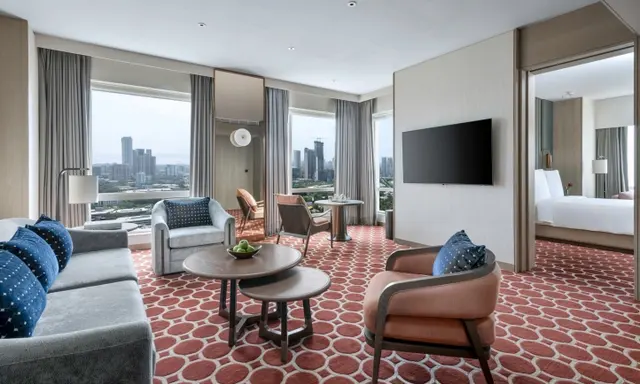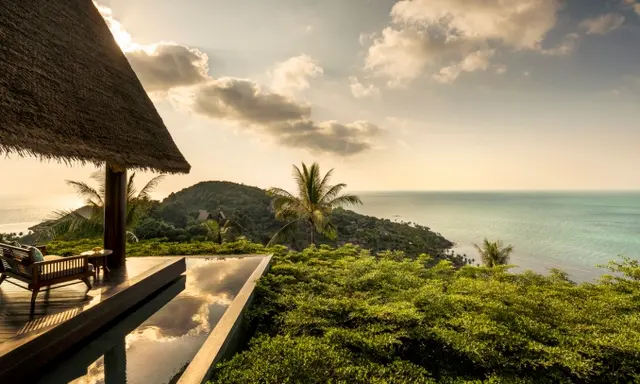
Four Seasons Resort The Nam Hai in Hoi An is marking ten years under Four Seasons in December 2026. The resort is using the anniversary to reflect on how it has changed while maintaining the Vietnamese design language and coastal setting that define the property.
Over the decade, villas, dining and wellness have evolved rather than being left untouched. The aim has been to keep the resort contemporary without erasing the sense of place that made it distinctive in the first instance.
Vietnamese design remains the foundation
The architecture and interiors continue to draw on local forms, proportion and craft. Updates to accommodation have therefore focused on refinement rather than replacing the original visual identity with a more generic international resort style.
This is an important balance for older luxury properties. Renovation should improve comfort and function without making returning guests feel that the character they valued has disappeared.
Ritual and landscape shape daily life
The resort emphasises daily rituals and a philosophy of harmony as part of the guest experience. Gardens, water and the surrounding coastal environment are treated as active parts of the stay rather than decorative scenery.
That connection with landscape can slow the pace of a trip in ways that highly programmed resorts often struggle to achieve. Time at the property becomes less about completing activities and more about establishing a rhythm.
Cuisine and wellness have continued to evolve
Dining concepts have changed over the decade to reflect both Vietnamese ingredients and broader contemporary tastes. Wellness has also expanded through retreats and programmes designed around restoration and mindfulness.
These areas are particularly important to repeat visitors because they give a familiar property new reasons to revisit. A hotel can retain its architecture while still changing meaningfully through food, spa and service.
Hoi An works naturally within a wider Asian itinerary
The Nam Hai combines beach access with proximity to Hoi An’s historic centre and Central Vietnam’s cultural landscape. This allows guests to move between resort life and a destination with a strong local identity.
For LYG readers travelling through Asia, the property offers a useful counterpart to urban stops and time on the water. Its first ten years show how carefully managed evolution can be more valuable than constant reinvention.