A new Delano chapter overlooking Kensington Gardens
Delano Hotels is preparing to bring its name to London in early 2027, with an address overlooking Kensington Gardens and Hyde Park. The project is presented as the brand's British debut and brings a 67-room-and-suite hotel to a West London neighbourhood known for museums, residential streets and major parkland. Its appeal is expected to rest on a combination of relatively intimate accommodation, a destination restaurant, an evening cocktail venue, art and wellness. The opening remains prospective, so readers should distinguish the operator's announced plans from a hotel that has completed its first guest stays.
The London property will join a hospitality identity associated with Miami and more recent addresses in other international cities. Yet a useful assessment begins with the building itself, rather than comparisons with nightlife elsewhere. A 67-key count is modest against London's large luxury hotels and may produce a different social scale, especially when more than half the accommodation is planned as suites. Whether the promised intimacy translates into service quality will only become apparent once staff, restaurants and rooms are functioning together.
The design of a five-storey London hotel
Archer Humphryes Architects is identified by the brand as the designer of the London hotel. Its announced treatment includes organic forms, substantial materials and a sense of theatrical discovery within a five-floor setting. That description suggests the interiors are intended to feel residential and atmospheric rather than purely minimal. It is also a promise still awaiting the test of completed rooms and public areas. Images released during development can communicate a design ambition, but should never be confused with an independently inspected finished product.
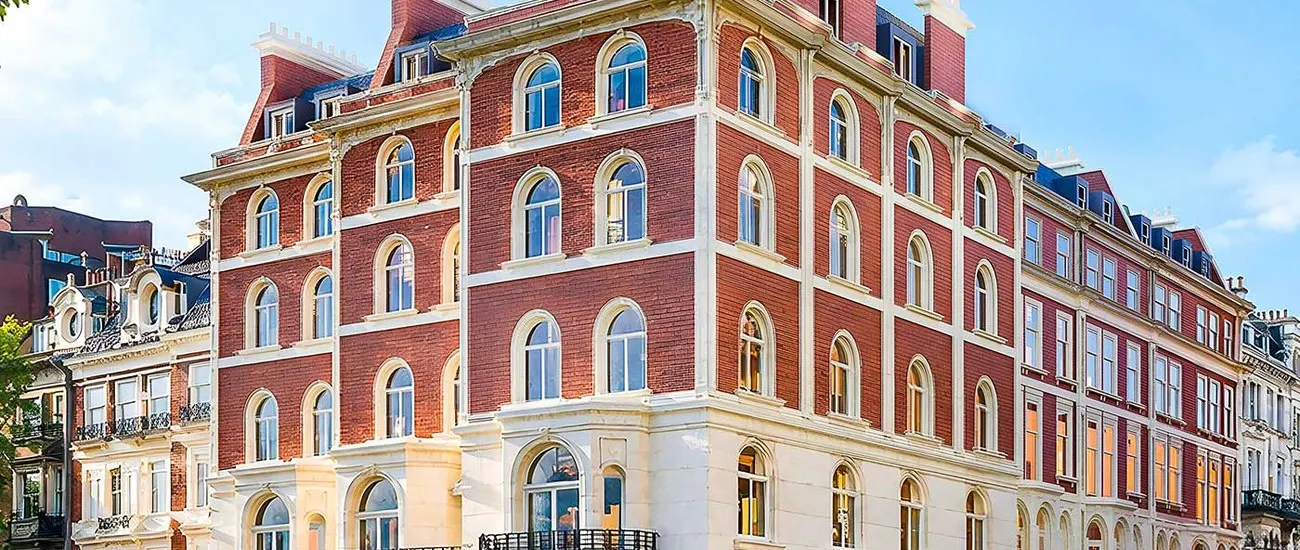
The property occupies a setting in which historic London architecture shapes expectations before guests even enter. A convincing conversion will need to reconcile that exterior character with the practical demands of contemporary travellers, including quiet sleeping spaces, reliable circulation and comfortable places to gather. Those aspects are often less visible in promotional photography than a dramatic bar or lobby. Delano's stated approach will be most persuasive when its materials, lighting and furnishings work equally well in morning daylight and during the evening programme.
Room sizes, suites and views
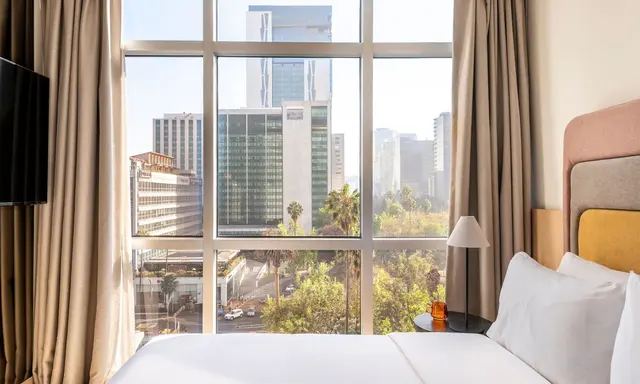
The hotel is expected to contain 67 rooms and suites across five floors, with more than half the inventory assigned to suites. The operator also says 14 accommodations will command particular views toward Hyde Park and that many rooms will include features such as walk-in wardrobes or private terraces. These figures are among the most useful early details for travellers deciding whether to follow the opening. They describe the intended product mix, although room-by-room dimensions, exact categories and prices should still be confirmed against the final booking inventory.
Park-facing rooms can be attractive in a city where streets are often busy, but the direction of a window is not by itself a guarantee of silence or uninterrupted scenery. Landscaping changes with the season, and different floors offer different perspectives. Equally, a terrace can be a significant advantage for some guests while less important for others visiting in winter. The clearest approach to booking will be to compare the exact categories and their photographs when Delano London opens reservations with full specifications.
Lana Lusa brings Mediterranean dining to London
The hotel's principal restaurant is planned as Lana Lusa, a concept informed by Portuguese heritage and Mediterranean hospitality. The brand's London restaurant information presents it as an all-day dining address, and its arrival is described as a European debut for the name. Paris Society is associated with the project and Pirajean Lees with its design. These connections point to a restaurant intended to attract diners beyond the hotel's residents, although final menus, opening hours and reservations have to be assessed from the operator's live information.
For a traveller, the most interesting question is whether a hotel restaurant can become part of the surrounding neighbourhood rather than an amenity used only at breakfast. Delano's proposed format creates that possibility, combining a recognisable culinary identity with a location near some of London's busiest cultural destinations. The specific experience will depend on service, kitchen consistency and how relaxed the room feels at different times of day. Until it is operating, its culinary positioning is best treated as an informed preview rather than a review.
Rose Bar looks back to Miami
Another major component is Rose Bar, the cocktail name associated with Delano's Miami Beach heritage. In London, the operator describes a more intimate subterranean setting, with the Rose Bar Lounge and Zodiac Room adding different spaces within the late-night experience. The design direction features subdued light and richly textured surroundings. Delano appears to be offering an evening destination designed around conversation and atmosphere, extending the hotel's appeal beyond accommodation and a conventional lobby bar.
There is a distinction between bringing a celebrated brand name to a new city and recreating the conditions that made the original famous. London's nightlife patterns, neighbourhood expectations and operating rules differ from those of Miami. The London Rose Bar may develop its own identity if the drinks, music and service reflect the city as well as the wider Delano story. Visitors should wait for confirmed hours, entry policies and reservation arrangements before assuming that a particular late-night experience will be available on their chosen date.
Wellness under The Source by Delano
The Source by Delano is the planned wellness offering, incorporating spa and movement facilities. The brand describes a programme that can involve treatments, thermal experiences, contrast therapies and visiting practitioners. That range gives the concept a broader remit than a basic hotel gym, but it does not establish an exact list of treatments available every day. Similarly, membership access and guest inclusion rules should not be assumed from an early description. These details are particularly relevant to travellers hoping to make wellness the main purpose of their visit.
A hotel of this scale has an opportunity to offer a more personal approach to wellbeing, but only if facilities are adequately staffed and appointments are realistic. Contrast treatments and fitness programmes require thoughtful scheduling rather than simply an attractive visual identity. For visitors combining London meetings with leisure, the ability to reserve a treatment at a convenient time may prove more useful than the length of a spa brochure. Future reporting should judge the actual experience, pricing and terms once they are disclosed.
A deliberate art programme
The London project includes a curated art component, with the operator identifying a collection assembled for the property and connections to both British and international artists. This is consistent with Delano's stated ambition to make culture a visible part of the guest experience. Art can give a small hotel a distinctive personality, but the editorial interest lies in the works actually displayed and how visitors encounter them, not simply in promotional references to creativity. Specific installations and public access should be checked on opening.
A thoughtful collection can also provide a bridge between a hotel and its city. Guests arriving for design, galleries or theatre may value a property that takes its own artistic choices seriously. It remains important, however, to distinguish a permanent collection from rotating work or one-off events. Detailed labels, artist credits and programming can make the difference between genuine cultural engagement and anonymous decoration. Those are aspects that can be assessed fairly after the hotel has opened to the public.
A members club alongside the hotel
Delano has also outlined a membership proposition for London, built around events, partnerships and experiences that reach beyond an ordinary overnight stay. A members club could give local residents a reason to return frequently, helping the property function as a social address across the year. The operator has not established every practical term in the public material reviewed here, so prospective members should not infer fees, application rules or guaranteed access to hotel facilities from the announcement alone.
A club and a hotel can complement one another, particularly when dining, art and conversation are important parts of the brand. They can also compete for limited space during busy periods, making the organisation of reservations and private events important. For hotel guests, the relevant questions are whether club activity affects access to public venues and how those areas are managed at peak times. Published rules and firsthand experience will be needed before any confident judgement about how the arrangement works.
The West London location
Delano London's proximity to Kensington Gardens and Hyde Park provides a setting different from the restaurant-heavy streets of central Soho or the large commercial hotels of Mayfair. The Royal Albert Hall, major South Kensington museums and the streets around Notting Hill are among the familiar cultural reference points in this part of London. Such attractions make the location useful for travellers planning a mixture of park walks, exhibitions and meals, although journey times will naturally depend on each guest's itinerary.
The neighbourhood also suggests a quieter type of city stay, at least away from the hotel's own nightlife venues. Visitors may be able to use the park as a daily counterpoint to meetings, shopping or evening events. But that is an interpretation of location, not a guarantee about every room. Actual sound levels and movement patterns vary around hotel entrances, bars and service areas. A well-informed booking should therefore consider the specific room and the guest's priorities, rather than relying only on the address.
What is confirmed and what remains to be seen
The confirmed development story is a planned early-2027 British debut for Delano, involving 67 rooms and suites, design by Archer Humphryes Architects and the named Lana Lusa, Rose Bar and Source wellness concepts. Those details justify interest well before the opening, particularly for travellers who follow London's changing boutique-hotel market. They do not justify claims about final room rates, consistently available restaurant menus or the exact guest experience. An announced opening period may also change as construction and operating preparations progress.
Delano London promises an appealing combination of a small room inventory, park views and social programming. Its challenge will be to turn a well-known international brand into an address that makes sense in its particular London setting. For readers considering a future visit, the next milestones to follow are confirmed reservations, completed room imagery, venue openings and the operating terms of its wellness and club facilities. Until then, it is best understood as a significant upcoming hotel rather than an established recommendation.
Source: Delano Hotels — official London property information, accessed 5 November 2026.