THE BARAI HUA HIN has opened as a 98-room beachfront resort on Thailand’s Khao Takiap coast, bringing the country’s first Unbound Collection by Hyatt hotel to Hua Hin. The property expands a spa with two decades of history into a broader stay combining Thai healing traditions, modern wellness, coastal dining and spacious accommodation.
Hua Hin already has a long association with restorative seaside travel
The town evolved from a fishing community into a favoured coastal escape for Thai royalty in the early twentieth century. Warm sea breezes, gentle Gulf of Thailand waters and an established leisure culture give the resort a setting that naturally supports its emphasis on recovery and slower travel.
THE BARAI itself began as a spa 20 years ago before expanding into a full resort. That continuity gives the wellness concept more credibility than a property where a spa programme has simply been added to a conventional beach hotel as a marketing layer.
The architecture uses elemental ideas to encourage a slower pace
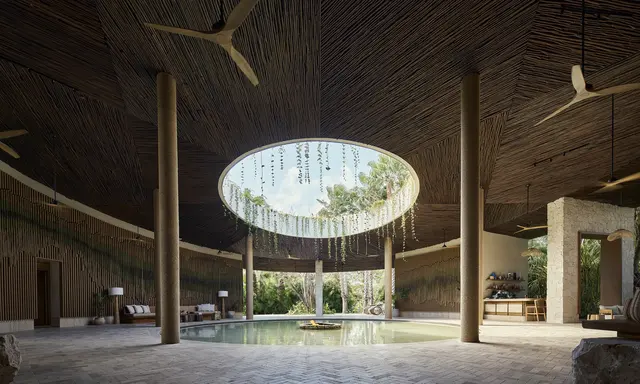
Design references water, fire, earth and air through shaded corridors, sculptural forms, courtyards and water features. The Forest Pool creates a lagoon-like interior landscape, while the Beach Pool opens directly towards the Gulf for a brighter, more social counterpoint.
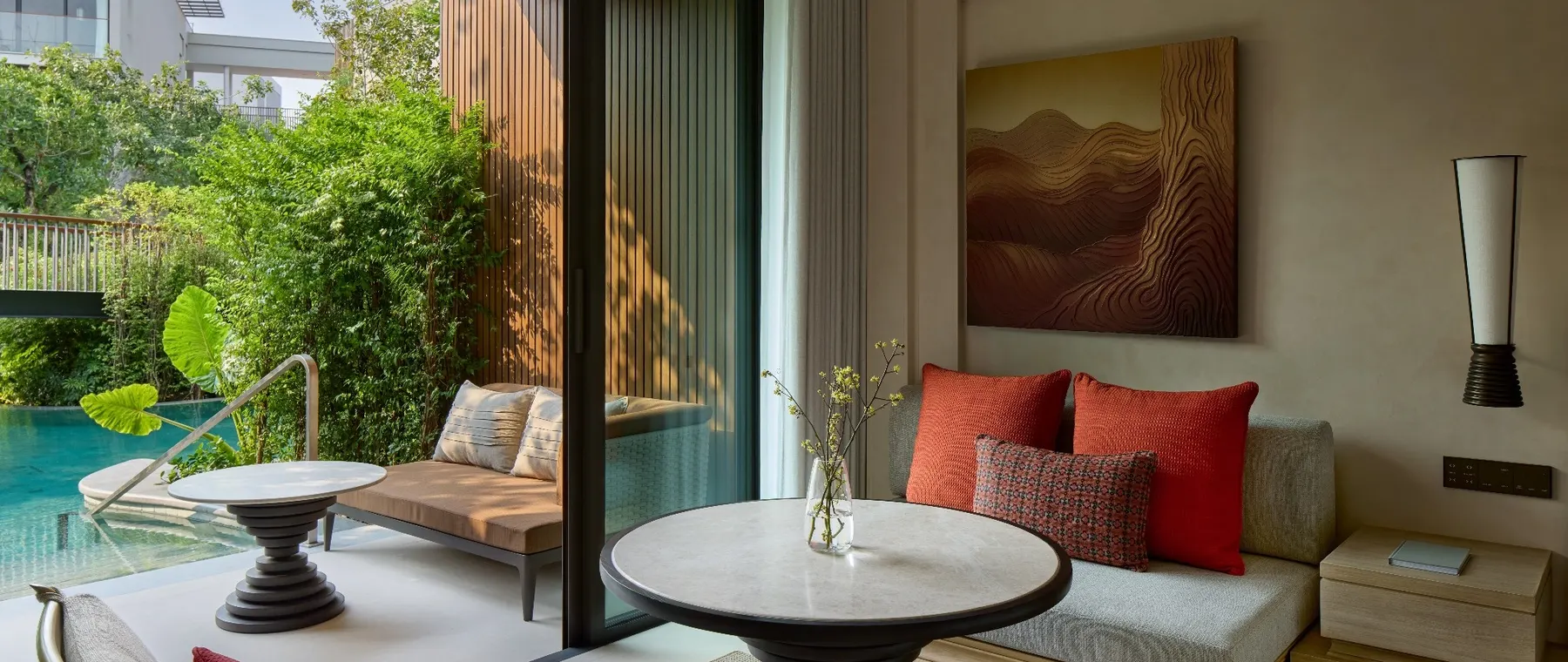
The 98 guestrooms and suites include 27 suites and two two-bedroom penthouses, with private balconies, deep baths and rainforest showers. Higher categories add butler service, large terraces, in-suite rituals and daily massage inclusions for guests who want a more structured restorative stay.
Wellness extends beyond treatments into guided programmes
The BARAI Spa is supported by a two-storey Wellness Hub containing a 24-hour fitness studio, yoga areas, holistic spaces and a wellness shop. Programmes cover sleep recovery, back care, longevity, emotional wellbeing, heart health and women’s health through personalised wellness maps.
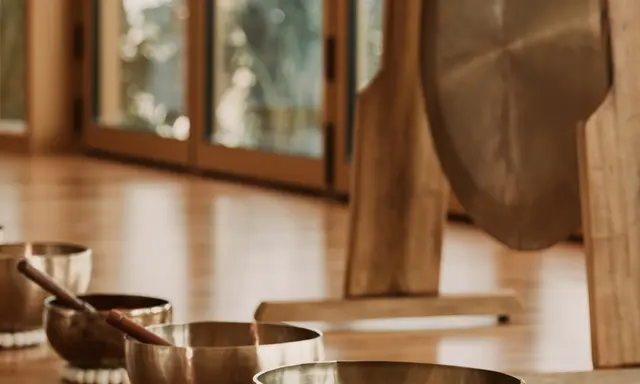
Integrated practitioner Dr. Chuthamat Srinoi combines approaches including traditional Chinese medicine, sound vibration, energy work and mindful art. Guests can therefore build a stay around specific goals rather than selecting isolated treatments without a broader plan or follow-through.
Dining and the coast keep the resort connected to Hua Hin
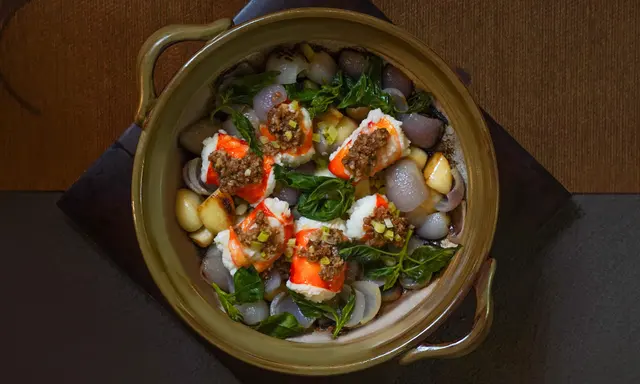
White Cottage focuses on seafood, plant-forward dishes and Thai-influenced flavours, while McFarland House occupies a restored nineteenth-century beachfront pavilion serving modern European food, grilled dishes and afternoon tea. Both venues use the sea as part of the setting rather than separating dining from the destination.
Nearby national parks and Phraya Nakhon Cave provide outdoor options when guests want to leave the resort. For LYG readers, the appeal is a premium beach stay where wellness is central but not compulsory, allowing food, nature and time by the water to remain equally important.
Official sources: newsroom.hyatt.com.