An Atlantic stop with a city attached
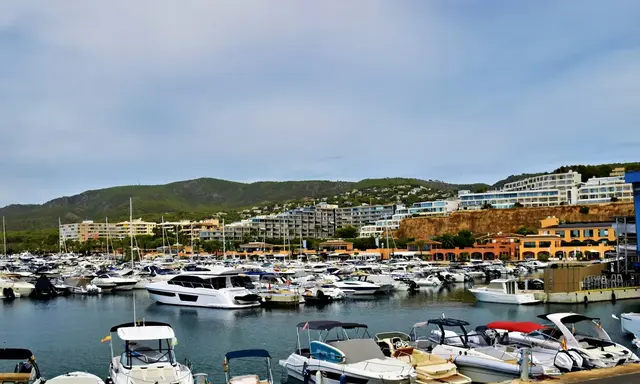
Some islands announce themselves with a beach; Arrecife makes its introduction through a working waterfront. Lanzarote's capital has fishing boats, city streets and a marina within reach of one another, so a visiting yacht can use the harbour as a genuine base rather than a place to sleep between excursions. That combination is particularly rewarding for a luxury yacht in the 12–24-metre range, where a short walk ashore often matters as much as a long list of facilities.
The appeal is not to pretend Arrecife is an isolated resort. It is precisely the opposite: a Canarian city where everyday life continues beside the moorings. Guests can leave the yacht for a coffee, explore an old lagoon-front neighbourhood or arrange a vehicle for the island's volcanic landscape. A successful call balances those approachable pleasures with a disciplined Atlantic arrival, because an appealing harbour does not remove the need to understand the weather and local instructions.
Understanding the marina location
Marina Lanzarote sits at Arrecife, with its operator publishing coordinates of 28°57′41.13″N, 13°32′29.48″W. These are useful for finding the facility, but they are not a substitute for current official charts, notices or detailed pilotage. The marina office advertises VHF channel 09, and its published office hours are different from round-the-clock emergency arrangements. Skippers should confirm their arrival window and berth allocation rather than treating a website coordinate as a passage plan.
For a crewed luxury yacht the advantage is organisational. Passengers can disembark to town while the captain handles paperwork, fuel enquiries or technical calls. A privately operated yacht can gain much the same flexibility if somebody aboard takes responsibility for marina communications. Check actual length overall, beam, draught, shore-power requirements and tender arrangements when booking. A berth should be accepted on the yacht's measured dimensions and prevailing conditions, not on a general promise about yacht capacity.
Arrivals are part of the experience
The operator publishes a specific arrival procedure that includes a marina entry form and border-police entry control. Requirements depend on where the yacht and people have come from, their documents and current official rules. It is sensible to send the requested information in advance, then retain confirmations in the captain's passage file. Guests might see an effortless arrival, but it usually reflects careful preparation by someone who has already checked documents and called the harbour office.
Arrecife is a useful reminder that cruising between Atlantic islands is different from merely checking in at a Mediterranean restaurant quay. Weather windows, swell direction, protected approaches and clearance procedures all affect the actual day. Owners planning a first Canarian visit can ask their captain to set a conservative arrival time with daylight in hand. That provides room for a berth change, a delayed departure or a fuel stop without turning the first afternoon into a schedule-driven exercise.
The right scale for a luxury yacht
A 12–24-metre yacht offers an attractive compromise here. It is substantial enough to carry a family or small group comfortably, yet personal enough that a marina stay can flow directly into shore life. Marina Lanzarote's published berth services include infrastructure for larger craft, but electrical supply and berth geometry still need to be confirmed for the individual boat. Bigger nominal capacity does not automatically mean the correct position is available on a chosen date.
Think through how guests will use the yacht before reserving. An owner who wants a quiet morning aboard may choose a different arrival day from a charter-style party seeking restaurants and museums. Children might prefer shorter outings with regular returns to the pontoon, while keen walkers could leave early and spend an entire day inland. The strength of Arrecife is that these alternatives can coexist without obliging the whole party to travel together at every moment.
From pontoon to Charco de San Ginés
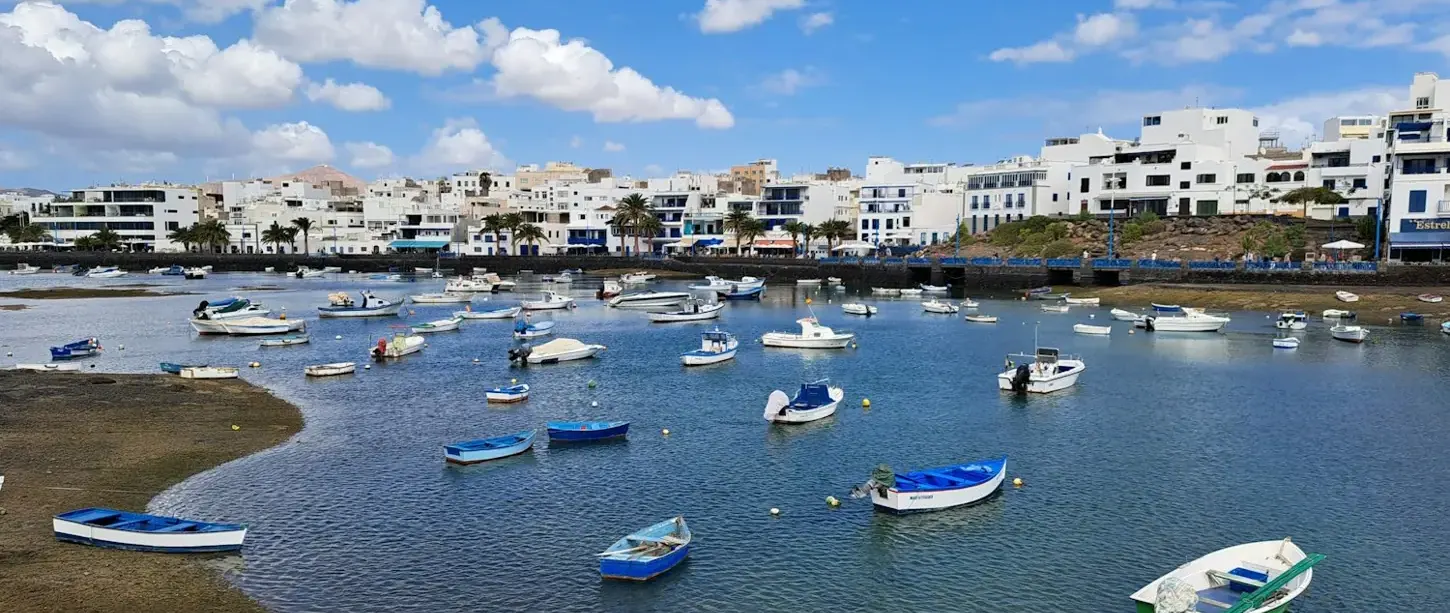
Charco de San Ginés is one of the most recognisable pockets of Arrecife, a lagoon edged by boats and urban life. Its atmosphere is distinct from a resort promenade: the waterfront belongs as much to residents as it does to visitors. An unhurried circuit offers a more revealing introduction to the capital than hurrying through a list of photographed landmarks. The pleasure lies in noticing how modest streets open suddenly onto water and how the fishing heritage remains visible.
Allow time to stop rather than assigning every minute to an attraction. A leisurely lunch, a wander around the lagoon and a return through the city can fill an afternoon without transport logistics. This rhythm suits owners who spend much of the cruising season moving between demanding itineraries. Arrecife gives them permission to use the yacht as a home base. The point is not maximum sightseeing; it is the quality of a few hours ashore.
Art beyond the marina gates
Lanzarote's cultural identity is strongly associated with César Manrique, whose approach linked architecture, artistic design and the island's landscape. His work is best understood as part of a wider island excursion, not as a single decorative theme to be ticked off in Arrecife. Use the official Lanzarote tourism information to choose accessible cultural sites and confirm opening arrangements, particularly when travelling outside peak holiday periods or with a party of mixed ages.
Within the capital, the Castillo de San José offers a route into modern and contemporary art in a maritime setting. A gallery visit works particularly well after several days of beaches and boating because it changes the pace and subject of conversation. Guests interested in design can compare the island's restrained building language with the striking geology encountered on a drive inland. These are experiences that remain memorable after the yacht has left the berth.
The volcanic landscape deserves a full day
The inland scenery is a reason to give Lanzarote more than a brief overnight stop. Volcanic forms, austere colours and protected landscapes distinguish the island from greener Atlantic cruising destinations. Rather than planning too many stops, select a manageable excursion with proper guide information, clear transport and realistic return time. Guests should be prepared for exposed conditions and strong sunshine even when temperatures appear comfortable beside the sea.
A small crew can make this exceptionally easy: confirm a suitable vehicle, carry water, leave a simple shore itinerary and protect a relaxed return aboard. Private yacht travel is at its best when the freedom to extend or shorten a day is preserved. The volcanoes should feel like a discovery, not another appointment. If an inland visit is impossible because weather, health or time changes, Arrecife still offers enough cultural and culinary interest to justify the berth.
Food and the pleasure of staying local
One advantage of a city marina is the choice between eating aboard and eating out. A good yacht galley can make use of local ingredients, but a casual waterfront meal gives guests a direct sense of the destination. There is no need to claim a single restaurant represents the island. Seek kitchens that suit the party, make reservations where appropriate and check the most recent menus and hours rather than relying on descriptions written years earlier.
The captain and guests may have different priorities. Crew might value a predictable provisioning opportunity; owners may want one long dinner with no timetable. Build that flexibility into the itinerary. A few nights in Arrecife can include a polished meal, an informal local stop and an evening aboard, with no sense that the same experience has been repeated. This variety distinguishes an urban Canarian port from a destination organised around one hotel or beach club.
Boatyard work without losing the holiday
Marina Lanzarote provides marine and boatyard services, and the published information includes operating hours and equipment constraints. This is useful for a boat arriving from a longer Atlantic leg, but owners should request a written scope and technical confirmation before scheduling any lift or maintenance work. A facility that can service particular craft does not necessarily have lifting geometry suitable for every hull, keel, catamaran or displacement.
If minor work is needed, split it clearly from guest activity. An engineer can coordinate contractors while passengers enjoy town or a cultural excursion. For anything more invasive, it may be better to dedicate separate days or move guests ashore. The goal is to avoid the common mistake of combining an ambitious technical schedule with an equally ambitious sightseeing programme. Luxury here means making the operational necessities unobtrusive, not assuming they will disappear.
Fuel, water and responsible practices
The marina advertises fuel and berth services, but the precise location, opening hours and availability should be reconfirmed before arrival. Fuel stops are best scheduled around the working day and actual consumption rather than squeezed between a late lunch and departure. Shore power, water fittings and waste services should likewise be confirmed with the marina for the assigned berth. A good service list is a starting point for communication, not a substitute for it.
The marina also emphasises environmental behaviour, including preventing spills, separating waste and reducing noise on the pontoons. Those instructions are especially fitting on an island whose landscape is central to its appeal. Quiet halyards, sensible tender storage and attentive rubbish handling help preserve the atmosphere for everyone. This is everyday seamanship, but it is also part of the experience guests should expect from a carefully operated luxury yacht.
When to visit and how long to stay
Arrecife can be approached as a short city break or as a staging point in a larger Atlantic itinerary. The right duration depends on what the owner wants: a single relaxed evening, two days to explore Lanzarote or a longer pause for work and provisioning. Seasonal wind and sea conditions influence the decision more than a promotional calendar. For late-autumn or winter cruising, a marina reservation does not settle the weather question.
Three nights can be a useful planning framework rather than a promise: arrival and waterfront evening, one cultural or volcanic excursion, then a day for a second interest or unhurried departure preparation. People who prefer an exceptionally loose schedule may want longer. The island rewards leaving open space in the plan. A yacht's independence makes that possible, provided the skipper protects the navigational and administrative realities surrounding each leg.
Ashore safely, aboard comfortably
Guests should receive simple practical briefing before they scatter into the city. Confirm a contact number, the location of the berth and how to return after dark. If using a tender elsewhere on the island, agree on weather limits and lawful landing places before setting off. For an urban stay, walking or licensed land transport often removes complexity. A glamorous day is rarely improved by creating an unnecessary tender transfer.
After a day ashore, the marina offers a different reward: returning to familiar private space. Open the cockpit, serve a quiet drink and let the waterfront become scenery instead of an itinerary item. A 15- or 20-metre yacht can feel surprisingly intimate in this setting, with city life close enough to enjoy but not occupying the whole evening. That relationship between independent accommodation and real local culture is the reason to cruise here.
The considered Arrecife itinerary
The strongest Arrecife call begins with a practical booking, verified entry documentation and current navigation advice. Once those are settled, give the guest programme a very different tone. Pair an easy lagoon stroll with a more ambitious cultural or volcanic outing. Keep one meal spontaneous and another planned. Decide beforehand whether any maintenance belongs in the stay; if it does, coordinate it separately from the most important guest day.
Arrecife is not trying to be a secluded anchorage or an exclusive island enclave. It offers a living Canarian capital, a marina with useful marine services and direct access to a landscape unlike most European cruising coasts. For a luxury-yacht owner willing to slow down and look beyond the pontoon, that mixture can be more satisfying than a rushed itinerary of supposedly unmissable sights. The best memory may simply be feeling at home in an unfamiliar harbour.