Fundraising targets organisational capacity
Wetwheels Foundation has launched a £250,000 three-year fundraising appeal designed to strengthen the organisation behind its nationwide network of accessible boating experiences. British Marine described the initiative on 1 October 2026, reporting that demand for the charity's trips has increased as more disabled people and their families find opportunities to enjoy the water.
The appeal is aimed primarily at leadership, fundraising, training systems and coordination rather than simply buying another vessel. This distinction is significant because a strong operational foundation helps keep existing programmes safe and consistent, particularly when activities are delivered by different local teams around the coast.
Eight vessels and a substantial participation record
Wetwheels currently supports eight fully wheelchair-accessible powerboats in the UK. During 2024–25 it delivered 1,404 inclusive experiences for more than 11,000 participants, with 54 per cent taking their first journey on open water. The organisation recorded 1,826 wheelchair users among participants, supported by more than 2,500 volunteer and crew hours.
Those figures demonstrate the reach of a specialised boating service but do not on their own settle how much new infrastructure will cost. Growth depends on maintenance, trained staff, accessible boarding points and a reliable operational framework. The fundraising target represents management capacity intended to help existing operators thrive and create opportunities for future partnerships.
What accessible boating means in practice
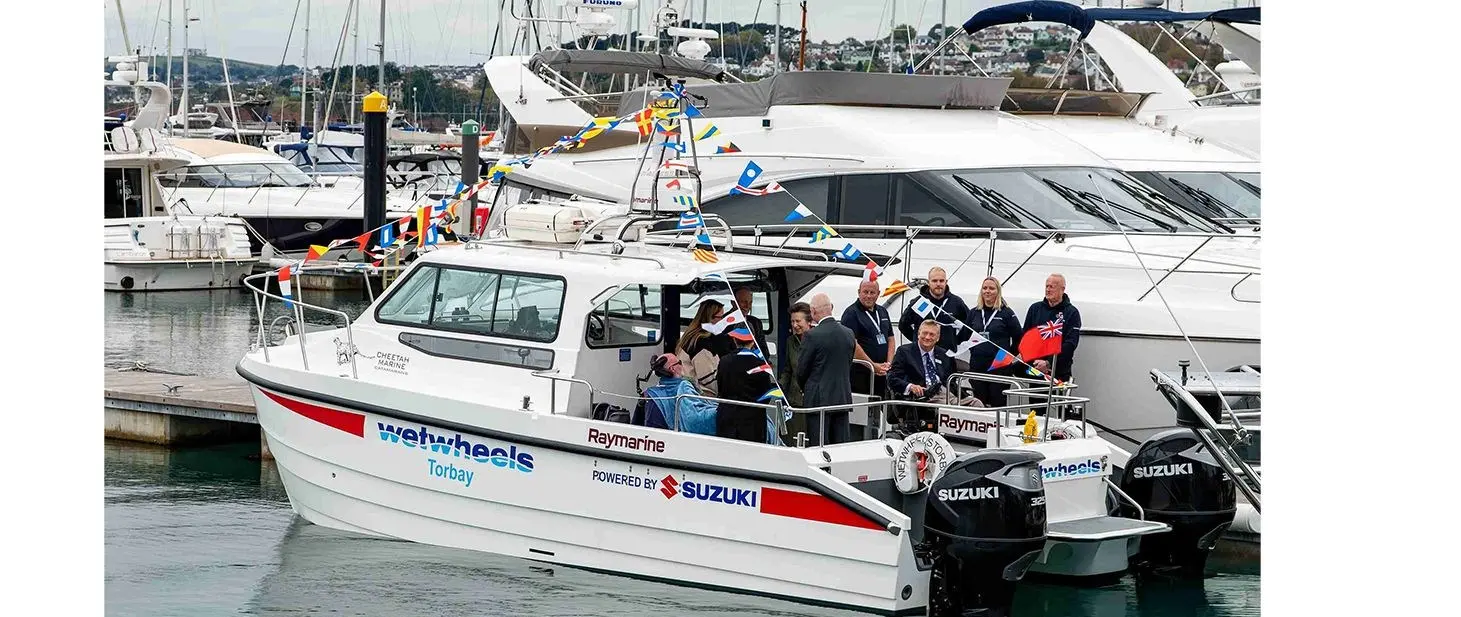
A fully accessible boat is more than a modified deck entrance. Inclusive experiences require thoughtful arrangements for boarding, wheelchair security, communication, crew procedures and support for guests with differing needs. Operating from suitable waterfront facilities is another essential consideration, making cooperation with marinas and local marine businesses important.
The foundation points to Wetwheels Torbay as an example of philanthropy enabling growth. Funding from James Ashton and his family helped establish the eighth vessel, which carried more than 500 disabled people and family members along the Devon coast during its first five months. The charity now wants a stronger central organisation to sustain work across the whole network.
Relevance to the wider yachting sector
The direct participants are not restricted to luxury-yacht owners, and Wetwheels' specialised boats are not being presented as production yachts within LYG's 12–23.99-metre market. The story matters because accessible marine participation, berth design and properly trained crews concern the entire recreational boating community.
Marine companies and private supporters can contribute financially or organise fundraising events, according to the foundation. Anyone considering a partnership should obtain current information directly from Wetwheels rather than assume a donation funds a specific boat or trip. The October appeal raises an important question for the marine sector: how to make time afloat available to more people sustainably. The requested funds would help ensure the programmes can grow without placing unsustainable demands on small local teams. That organisational continuity is especially important for people who depend on accessible facilities and predictable planning.