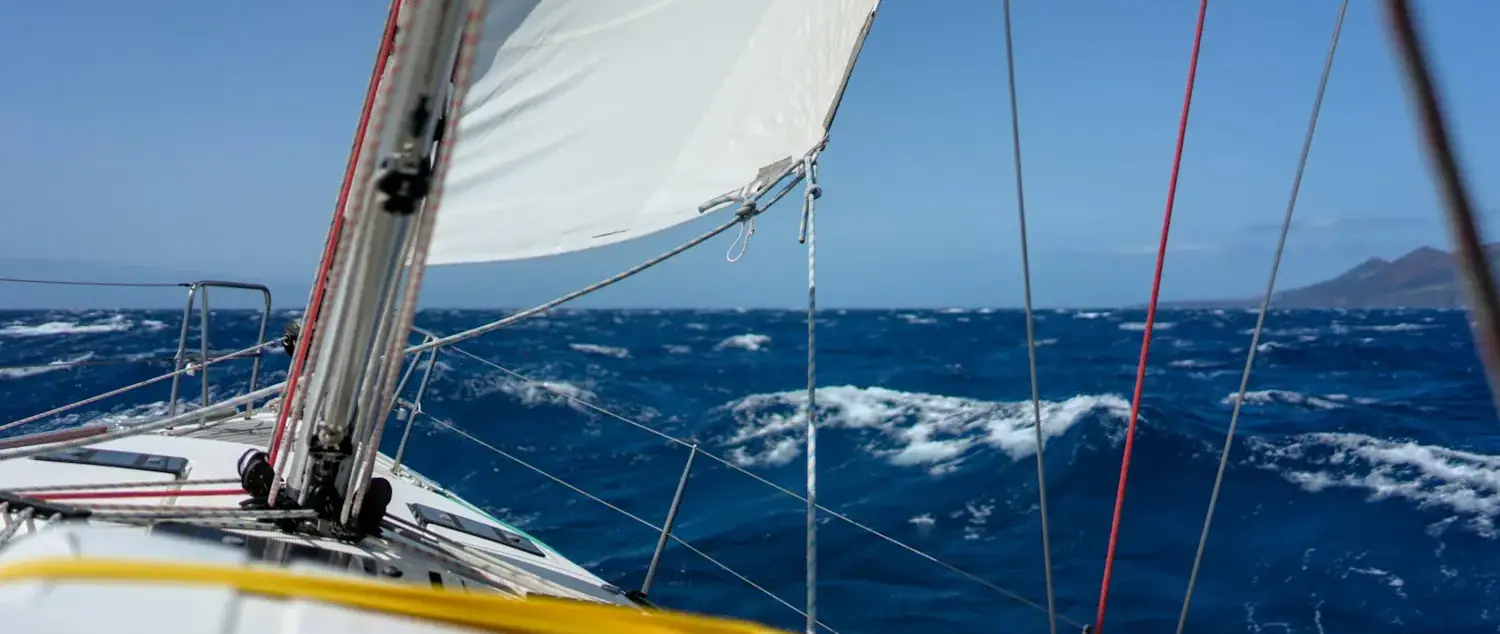
The Cape Verde stopover takes shape
The 2026 Rallye des Îles du Soleil is approaching the end of its opening Atlantic leg, with participant yachts gathering at Marina Mindelo on São Vicente in Cape Verde. Organiser Grand Pavois Organisation reported on 7 November that nine further boats had reached the marina during the night and day, while the final monohull, Grozibou II, was expected later that evening.
The report follows arrivals earlier in the week and documents the transition from offshore navigation to a planned stopover. It does not give a final certified finish list for all participants in the dated announcement. The event is a cruising rally rather than a yacht speed competition, and its value lies in supported passage-making, shared preparation and the opportunity for crews to cross the Atlantic within an organised programme.
A 900-nautical-mile opening passage
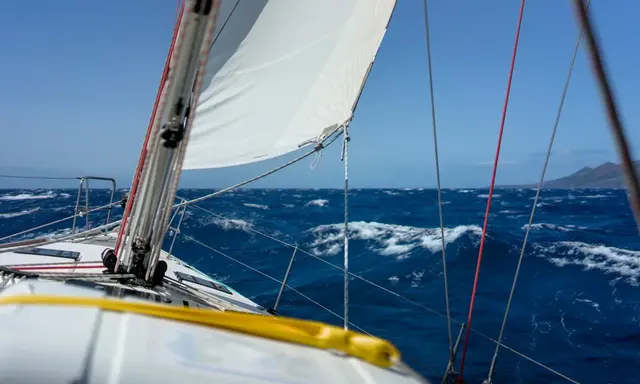
The first leg runs from Morro Jable on Fuerteventura in the Canary Islands to Mindelo, a passage of roughly 900 nautical miles. Organisers said participating boats were making the trip in approximately six to eight days as wind conditions varied. That distance is substantial for private cruising yachts, particularly crews undertaking their first extended offshore passage.
Route mileage is not the same as the exact track made good by every vessel. Weather routing, tacks and alterations can produce different distances sailed, while speed over ground changes with the wind and current. The published 900-mile figure should therefore be understood as the approximate passage length rather than a universal logged total for each yacht.
Calm winds shape the leg
The organiser's updates describe a lull in the trade winds that complicated progress before conditions improved near Cape Verde. Some crews reported periods of motor-sailing or using the engine as apparent wind diminished. Such conditions are a reminder that offshore passage planning is not solely about surviving heavy weather; light winds create their own fuel, power and schedule challenges.
A yacht taking longer than planned may need to conserve diesel, reassess refrigeration and generator use, and monitor freshwater consumption. For crews under sail, a long calm can also make watchkeeping psychologically demanding even when the sea is comparatively gentle. The ability to adapt without taking unnecessary risks is one of the central skills that an organised rally can help participants develop.
The arrival sequence becomes a shared event
In its 6 November report, the organiser named vessels including Snoops, Asteria IV, Mahoa, Alter Ego, Mavokely, Le Pélican, Turkooise and Mandala among a group of arrivals in Mindelo. Earlier updates recorded Vagalouca and Tao as the first arrivals after approximately six days at sea. These names and arrival details come from the rally's own daily communications.
Rather than presenting that order as a formal performance ranking, the important story is the way boats converged after different weather experiences. Rally participants often exchange advice, repairs and stories when they reach the same harbour. The practical knowledge gained through those conversations can inform the next leg, which is longer and involves a more substantial Atlantic crossing.
Mindelo as a staging port
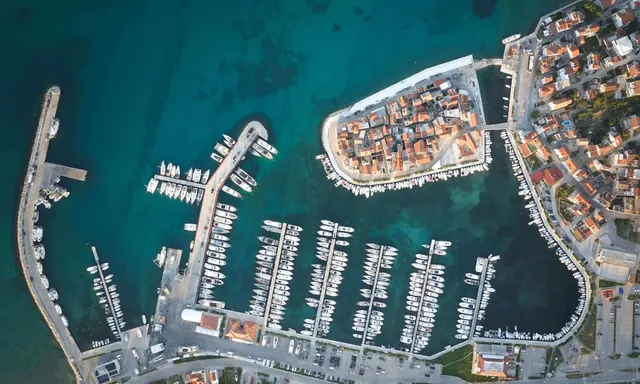
Marina Mindelo on São Vicente provides a natural location for a pause between the eastern Atlantic and the Caribbean. The rally schedule includes time in Cape Verde before the fleet sets off again. That pause allows crews to rest, inspect equipment and complete provisioning rather than embarking immediately on a second long passage.
For a private yacht, stopover preparation should include checking sails and rigging for chafe, inspecting engine fluids, reviewing battery health and testing emergency communications. Crew rest can be equally important. Every vessel's maintenance needs will differ, and the organiser's arrival story does not provide technical inspection results for the individual boats.
The second leg is scheduled for 11 November
The rally's official 2026 programme schedules the departure from Mindelo for 11 November, with the fleet heading toward Marie-Galante in Guadeloupe. The organiser's route guide estimates approximately 2,130 nautical miles for the Atlantic crossing to the Caribbean. As with any offshore sailing timetable, the actual start and passage are subject to weather and operational decisions.
The second leg is substantially longer than the voyage from Fuerteventura. That difference changes the amount of food, water, fuel contingency and equipment redundancy a yacht needs. It also increases the importance of crew watch systems and the ability to handle small failures at sea. Owners should not adopt a rally's published date as a safe departure instruction for their own boats without analysing current conditions.
A route for cruising yachts
The Rallye des Îles du Soleil welcomes suitable monohulls and catamarans, and its partners include established sailing-yacht builders such as Dufour and Fountaine Pajot. Many vessels used for this type of Atlantic crossing fall into the 12-to-24-metre cruising category that Luxury Yacht Guide follows. Specific individual boat lengths, however, cannot be inferred from a participant name.
The appeal of a supported rally is that a private owner can prepare for an ambitious voyage with other crews facing comparable logistical challenges. It remains the skipper's responsibility to assess seaworthiness, safety equipment and competence. Joining an organised fleet does not remove the hazards inherent in an ocean crossing or replace professional weather and navigation judgement.
Life aboard during a slow crossing
In light winds, a passage that looks simple on a chart can become a long test of routine. Crews must maintain watches, charge essential systems and avoid allowing boredom to weaken navigation discipline. A low-speed day can also prompt decisions about when to motor, when to accept delay and when to change sails to exploit small shifts in breeze.
The organiser's dispatches include participant observations about wind direction and limited apparent wind. Those practical notes are valuable because they show the lived experience behind a neat arrival table. They should not be used as a weather forecast for the same region today. Every future crew needs current information and a route suitable for its vessel and level of experience.
Preparing for Caribbean arrival
Marie-Galante is the intended final destination, providing a Caribbean landfall after the open-ocean leg. The island's position within Guadeloupe offers a different cruising environment from the Canaries or Cape Verde, but arrival procedures, customs documentation and anchoring arrangements still need to be checked close to the date of entry.
Owners planning onward cruising should establish the requirements for their flag, crew and itinerary, including any changes to local entry procedures. A celebratory rally finish can mask the fact that a yacht remains responsible for immigration, safety and environmental obligations. The best crews plan the administrative side of arrival before they are tired from a long passage.
The value of an organiser's daily reports
The dated rally updates provide a useful primary account of positions, arrivals and conditions. On 7 November the organiser expected the final yacht to enter Mindelo that evening, but a forecast arrival must not be reported as already completed on the strength of that notice alone. Editors should update the record when the organiser issues a confirmed completion statement.
That discipline matters in sailing journalism, where a boat may be only a few miles from a destination yet still encounter weather, technical problems or harbour delays. Similarly, a tracker position and a quoted estimate are not interchangeable with an official arrival. The accurate current story is a fleet assembling at Mindelo ahead of its next scheduled departure.
Lessons for an aspiring ocean skipper
A planned ocean rally can provide a practical framework for training, route research and social support, but participants still need independent preparation. Heavy-weather tactics are important, yet the first leg of this year's event illustrates why low-wind propulsion planning deserves attention too. Fuel reserves, charging systems, spare parts and crew routines all become part of voyage management.
For couples considering their first Atlantic crossing, it is wise to test the boat through longer coastal passages before committing to an ocean programme. Owners should become comfortable with reefing, night watches, engine troubleshooting and emergency communications. The number of miles on the schedule is only one measure of challenge; the quality of preparation determines how well the crew handles them.
Next update will come from the departure
The 2026 rally is moving from a Canary Islands–Cape Verde passage into the longer crossing toward the Caribbean. The first-stage organiser reports show the boats arriving after light-wind delays and preparing for a scheduled 11 November departure. These are verified milestones rather than predictions about the final result.
The next meaningful developments will be confirmation of the complete Mindelo arrival list, the actual second-leg start and subsequent reports from sea. For Luxury Yacht Guide readers, the event is a reminder that a well-designed cruising yacht is ultimately tested not by its dockside appearance, but by how reliably its systems and crew perform over consecutive days offshore.