Nine sessions with a practical boating agenda
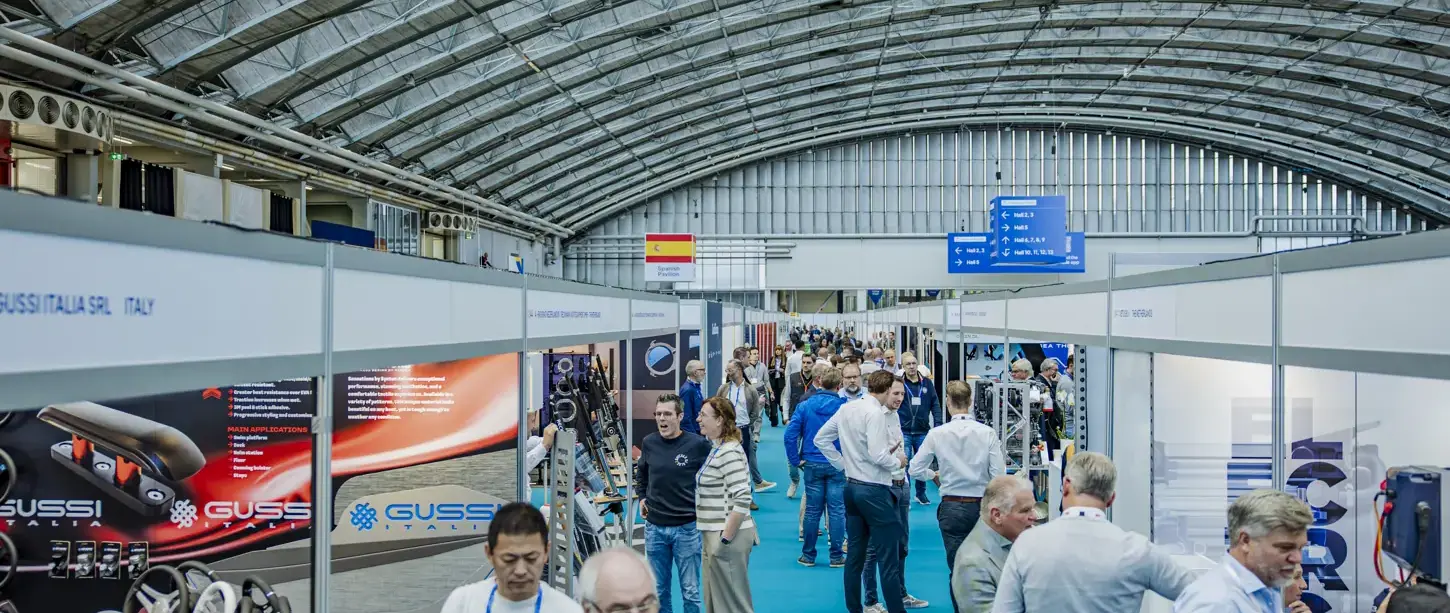
Metstrade has set out the North American Stage programme for its 17–19 November 2026 edition in Amsterdam, placing nine conversations about technology, trade, retail and boatbuilding in Hall 12. The initiative is presented with Soundings Trade Only, the International BoatBuilders' Exhibition & Conference and the National Marine Manufacturers Association. It is a business event, yet several subjects carry direct consequences for owners of 12–24-metre yachts.
The programme is not an announcement of nine new products and it does not indicate that any experimental technology is ready to fit aboard a private boat. Instead, it gives a view of issues that may influence the next generation of equipment, servicing and ownership. Its value for a luxury-yacht readership lies in translating industry discussion into practical questions about reliability, marine safety and what a buyer might want to ask suppliers.
Why the North American perspective matters
The United States and Canada remain important markets for recreational marine equipment, boatbuilding and aftersales services. International yacht owners regularly encounter American-made electronics, engines, batteries and fittings even when their boats are built or berthed in Europe. Decisions about certification and distribution can therefore affect a small Mediterranean cruiser as well as a boat sold from an American showroom.
Metstrade's North American Stage is intended to make these connections visible. The programme reaches from importing marine products to the retail experience after sale. For owners, the useful takeaway is that a product's real value includes support, approved installation and access to parts. A convenient device seen in a trade-show photograph is only a sound choice when its manufacturer can support it through several cruising seasons.
Compliance before a product crosses the Atlantic
An opening session on Tuesday 17 November examines importing to North America, covering regulatory requirements, certification and market entry. Metstrade's programme identifies input from the United States Coast Guard and American Boat & Yacht Council community. This is principally aimed at manufacturers and distributors, but it helps explain why equipment that appears similar may carry different approvals or installation conditions in different markets.
For a European luxury-yacht owner purchasing imported systems, the question is how compliance transfers to the yacht's flag, design and home port. Never assume that an American trade-show demonstration establishes European conformity or that a European installation certificate automatically meets American requirements. Ask the yard, surveyor and manufacturer which standards apply to the specific application. The stage can raise awareness; it cannot issue approvals on behalf of authorities.
Artificial intelligence enters marine marketing
Metstrade's AI-related marketing discussion is scheduled for the first day. Its organisers highlight the opportunity to use new tools while maintaining authenticity and credible communication. That tension matters to yacht owners because expensive purchase decisions are increasingly influenced by digital material, virtual tours and automated responses. More polished promotion does not necessarily mean more verified information about a vessel.
Buyers should learn to ask for the original specification, dated sea-trial data and documentary evidence beneath any AI-assisted marketing presentation. A computer-generated rendering can be useful for discussing design choices, provided it is not mistaken for a photograph of a finished yacht. The new communications tools may help dealers answer routine questions faster, but the final assessment still rests on what a boat actually delivers and what its owner will need.
The difficult state of marine retail
On Wednesday 18 November, a session focuses on the US marine retail market and the restructuring of West Marine. The organiser describes the company's Chapter 11 process earlier in 2026 and its subsequent emergence as a subject for executive discussion. This is an industry case study rather than a prediction about the survival of any particular supplier or a reason for owners to rush purchases.
Retail change matters at sea because equipment often needs replacement unexpectedly. A yacht may be hundreds of miles from the dealer that supplied its original installation. Owners can reduce dependence on any single store by keeping accurate part numbers, identifying alternative approved suppliers and maintaining a sensible inventory of critical spares. The session's broader significance is the importance of resilient service channels, not merely the fortunes of one retailer.
Three-dimensional printing and boat construction
Another session addresses the promise and limitations of three-dimensional printed boats, with participants named from industry and academic organisations. Additive manufacturing is an intriguing development because it may change how tools, moulds and eventually structural components are produced. However, the fact that a technology can create an impressive demonstration hull does not answer all questions about marine fatigue, repairability or long-term durability.
An owner comparing future construction methods should ask who has validated the material, how loads are calculated and whether independent certification applies. In the 12–24-metre class, serviceability is especially important because boats may spend long periods away from their original builder. Additive manufacturing may create useful opportunities, but a cautious assessment of repair techniques, warranties and survey methods remains essential before celebrating an experimental approach as a proven ownership advantage.
Wood composites return to the debate
The Wednesday programme also includes a discussion of wood-composite yachts, bringing together established yards, designers and professional publications. The topic is timely because sustainable materials and advanced construction methods are frequently discussed in the same breath, despite important differences in material behaviour and maintenance. A wood-composite construction approach should be evaluated through its engineering detail rather than through assumptions that wood is automatically old-fashioned or greener.
For luxury-yacht owners, the practical questions concern moisture management, inspection access, repair skills, weight and the availability of suitable yards. Good construction can combine familiar materials with sophisticated engineering, but the inspection schedule may differ from that of a conventional composite vessel. Responsible coverage should resist sweeping conclusions. The value of a technical session lies in understanding where each method performs well and what long-term owners must be prepared to maintain.
North American market intelligence
NMMA representatives are due to present a market perspective for global stakeholders, highlighting economic and commercial trends. Such information can help manufacturers decide which boat sizes, equipment categories and regions deserve investment. It is less useful when reduced to a forecast that every buyer should expect prices to rise or fall. Markets differ substantially between yacht classes, and past registration trends do not determine an individual boat's resale value.
An owner interested in a new 15- or 20-metre yacht may nevertheless find the discussion indirectly relevant. Supplier capacity, dealer stability and stock availability can influence delivery schedules and warranty experience. Those considerations sit alongside more familiar factors such as layout and styling. The sensible approach is to treat market presentations as context, then request current written quotations, specifications and service commitments for the actual boat under consideration.
Race technology meets cruising
Thursday's agenda includes the commercial applications of technology developed through America's Cup racing. Competitive sailing can generate ideas in materials, control systems, foils and data analysis, but transfer to ordinary cruising is never automatic. A system that performs brilliantly in a highly supported race environment may need extensive adaptation before it becomes appropriate for a privately owned yacht.
Owners should ask whether any claimed benefit has been demonstrated on a cruising vessel carrying normal stores and guests. What maintenance is involved? Can a competent local technician service it? Is the performance gain meaningful at the speeds the owner actually uses? These are more useful questions than whether a product's brochure mentions an elite racing programme. The interesting development is the possibility of practical transfer, not the prestige of the origin.
Lithium-ion battery safety is not optional
A Thursday discussion addresses lithium-ion battery system design, including battery-management-system shutdowns. For cruising yacht owners, that may be the most immediately consequential technical subject on the stage. Batteries can support quieter operation and electrical convenience, but their suitability depends on system engineering, protection, ventilation, monitoring and how failures are handled. No installation should be evaluated by capacity alone.
Battery systems should be designed and installed by appropriately qualified specialists, with applicable marine standards and the yacht's particular electrical architecture taken into account. Ask what happens if the battery management system disconnects under load, which essential circuits remain powered and how crew will recognise a fault. The exhibition programme offers an opportunity to discuss these issues; it does not establish that any single product or chemistry is suitable for every yacht.
Better owner questions at the trade show
A useful visit to Metstrade is not a hunt for the largest number of glossy brochures. Owners and their representatives can target the topics that affect their existing boats: repairability, safe electrical upgrades, compatible displays, spares and the long-term viability of support networks. Before meeting an exhibitor, write down the vessel's model, year, relevant dimensions and system specifications so the conversation can progress beyond general marketing claims.
Afterward, request installation manuals and written compatibility confirmation for any product under consideration. A show prototype may not be shipping yet, and an impressive demonstration may involve conditions unlike those aboard a real vessel. Record what was promised and what still needs checking. The value of a trade gathering becomes measurable when a yacht returns to service with equipment that works reliably, not when the visitor returns home with a bag of souvenirs.
An industry programme, not a boat show for owners
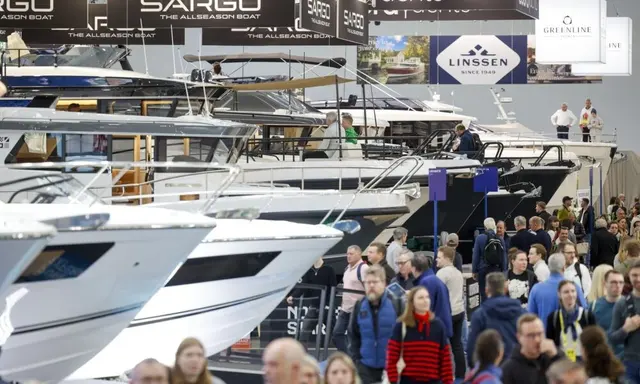
Metstrade is a business-to-business marine equipment exhibition, so most sessions are aimed at professionals rather than at buyers expecting to step aboard a new yacht. Its 2026 North American Stage reflects that purpose. The presentations cover strategic and technical issues, not marina berth offers or immediate consumer warranties. Interested owners can still benefit by following credible summaries and asking their yards or advisers which developments are relevant.
The distinction also prevents confusion with boat shows built around retail displays and sea trials. Someone shopping for a luxury yacht may learn more from seeing the vessel at a dedicated boat show, while an engineer or yard representative may find deeper value in Metstrade's technical discussions. These two forms of industry event complement one another. Neither should be expected to perform the other's role.
A useful lens on yacht ownership's next decade
The North American Stage brings together several strands of change: digital communication, retail restructuring, manufacturing methods, market information, racing-derived technology and electrical safety. The organisers have scheduled the programme over three days, 17–19 November. Outcomes should not be presumed in advance; the speakers will have to make their case and visitors will have to judge what evidence is presented.
For owners of 12–24-metre luxury yachts, the most durable message is practical. New technology is valuable when it brings reliable comfort, safer operation or better support without introducing hidden complexity. Metstrade's programme offers a useful preview of the questions manufacturers and service organisations are asking. The next step is to see which ideas become properly validated equipment and which remain interesting experiments.