A different model of private-island hospitality
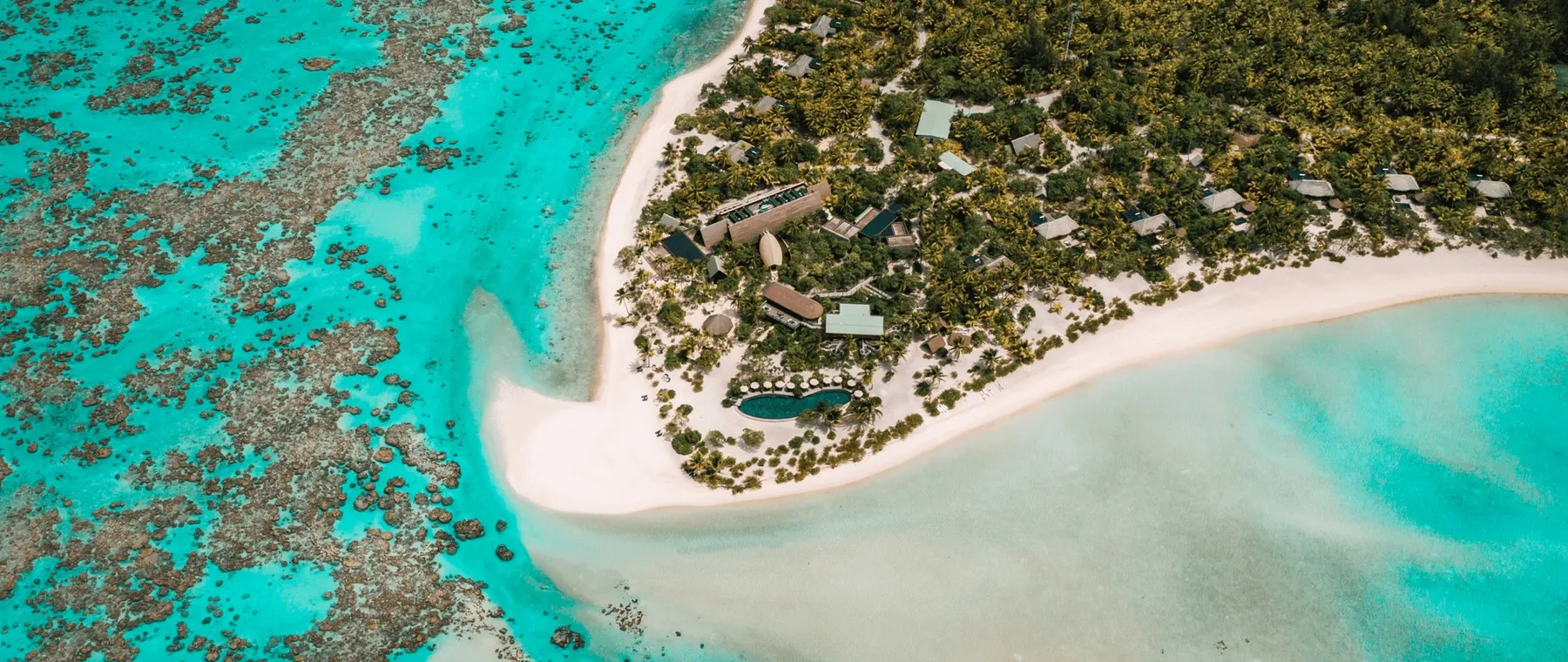
Tetiaroa is a remote French Polynesian atoll whose beauty lies as much in the lagoon and surrounding nature as in the accommodation of any single resort. The Brando occupies the Onetahi motu and presents itself as a place for privacy, Polynesian culture and a close relationship with the environment. Unlike a marina resort that acts as a stop on a cruising itinerary, it is an island stay designed around its own carefully managed access and programme.
The resort says it has thirty-five private villas and one residence spread along the island. That limited scale supports an atmosphere of separation, with guests able to move between their own accommodation, beach and shared facilities without the crowds of a large hotel development. For travellers whose usual luxury environment is a private yacht, the appeal lies in changing the perspective: remaining in one exceptional lagoon setting rather than moving continually between destinations.
The company stresses that the normal guest arrival is a short private aircraft journey from Tahiti. This matters because a spectacular atoll photograph may suggest an easy yacht landing, but the property does not advertise ordinary independent boat arrivals as its standard access. Plan the visit around the operator’s actual transfer system and any local restrictions instead of assuming that a private vessel can disembark passengers on the nearest beach.
The journey from Tahiti is part of the experience
Air Tetiaroa operates the connection from Tahiti to the atoll, with the resort describing a scenic flight of approximately twenty minutes. The company identifies small Twin Otter aircraft and a private departure lounge, so luggage limits, passenger arrangements and timetable coordination deserve attention. A private plane transfer is convenient when organised well, but it leaves less scope for an improvised late arrival than a conventional airport shuttle.
International passengers generally reach French Polynesia through Faa’a International Airport near Papeete. The Brando provides information on meeting the Air Tetiaroa service and on private-jet connections, but the final arrangements must be confirmed for each itinerary. Travellers arriving from another island or from a charter should build in enough time for immigration, bags and any separate onward flight. A missing connection can be more disruptive on a remote atoll than in a large resort city.
The view during the final flight is part of the appeal, revealing the ring of reefs and narrow green islands against the Pacific. Yet the logistics should be considered before choosing a departure date. Weather, aircraft capacity and operational procedures can affect plans, and guests should ask the resort how delays are handled. A private island is most relaxing when the journey there and the journey home are treated with equal care.
Villas, dining and a lagoon environment
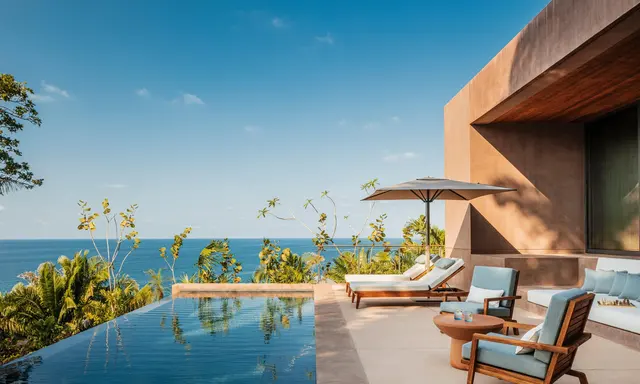
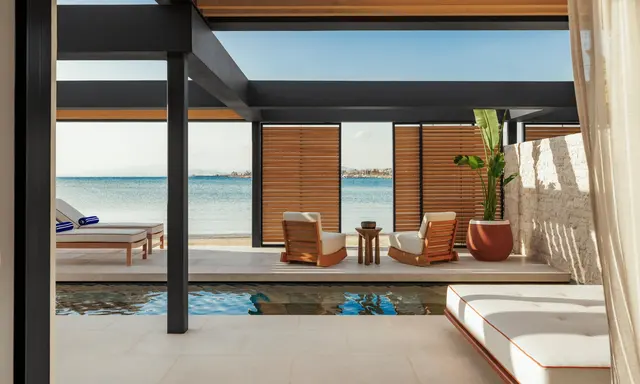
Accommodation is designed to offer considerable privacy within the resort’s tropical setting. The Brando’s villas provide a base from which to spend long hours beside the beach or lagoon, while a residence offers a more substantial option for groups. The detailed configuration should be checked carefully, particularly for families who need separate bedrooms, accessible routes and shared space for meals. Privacy alone does not ensure that every group can use a room comfortably.
Dining reflects the resort’s blend of Polynesian flavours and classical French techniques. That culinary approach can make evenings a highlight of a stay rather than a routine break between excursions. Guests who want private meals, specialist menus or celebrations should enquire in advance about inclusions and additional charges. On a remote island, a special request may require more lead time than at a city hotel supplied by several independent restaurants.
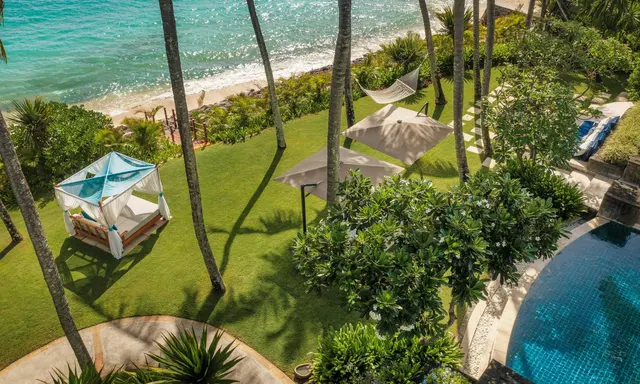
The property promotes its Varua Te Ora Polynesian Spa along with experiences on and near the lagoon. Wildlife observation, kayaking and diving can be rewarding, but the operator’s conservation guidance should shape the day. A coral lagoon is a living ecosystem, not an obstacle course for unrestricted boating. Visitors should use supervised activities where appropriate, maintain distance from wildlife and avoid damage to reef or shoreline habitat.
Conservation and careful island planning
The Brando associates its environmental efforts with the Tetiaroa Society and other partners working to protect the atoll’s ecology and heritage. Travellers may enjoy learning about those projects, but participation should be arranged through the resort or appropriate local organisation rather than assumed. Visiting sensitive areas is a privilege with limits, and some parts of the atoll may have restrictions designed to protect breeding birds or other wildlife.
Practical booking should cover the aircraft transfer, exact villa occupancy, meal inclusions, activity arrangements and the cancellation provisions that apply to flights as well as accommodation. The resort’s isolated location makes the quality of those arrangements especially important. Ask what happens in the event of bad weather or an unavoidable delay, and carry necessary medication and travel documents in accordance with air-transfer rules.
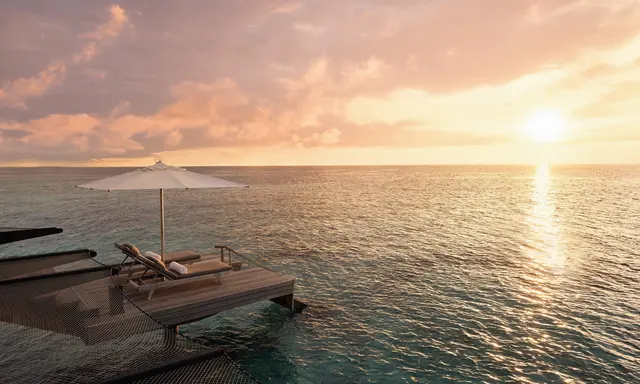
Tetiaroa’s special attraction is a feeling of being genuinely apart from the world, without surrendering the comfort of considered hospitality. The Brando offers a land-based answer to the privacy many yacht owners seek at sea, while its transport arrangements remind visitors that not every beautiful island is a routine boat destination. Plan the air connection, respect the environment and give the lagoon enough time to reveal its character.
Primary destination information: https://thebrando.com/. Readers should confirm current availability, transfers and marine access directly with the property.