A private arrival in a busy city
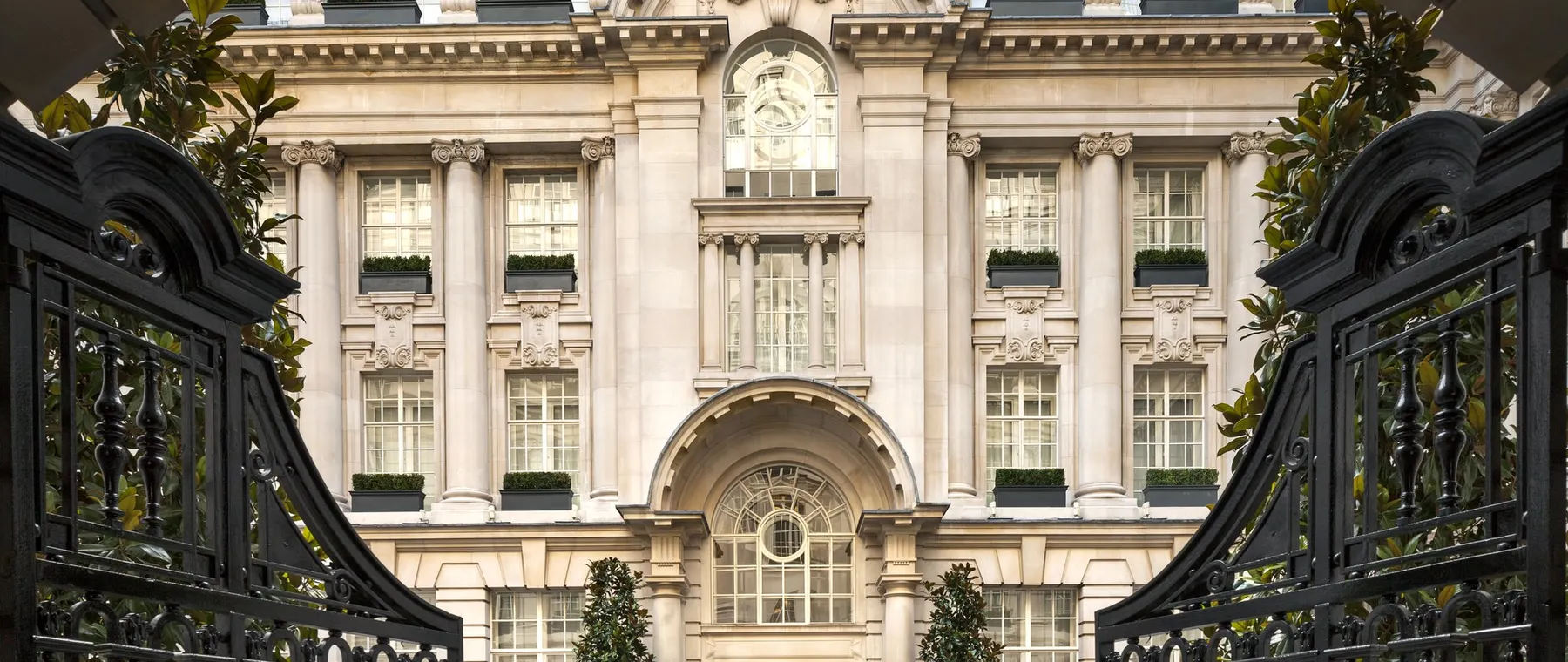
Rosewood London is positioned at 252 High Holborn, but its experience begins away from the obvious street-facing hotel entrance. Visitors pass through the property's courtyard before reaching interiors that feel deliberately insulated from the pace of central London. This transition is an important part of its appeal: the city remains close, while the public rooms are intended for slower conversations and more settled days.
The hotel's setting places guests between the cultural attractions of the West End and the business addresses of the City. That makes the location useful for travellers who expect meetings, theatre, museums and restaurant reservations to coexist within a short visit. The advantage is not that London becomes quiet, but that returning to the same familiar courtyard provides a comfortable break between very different appointments.
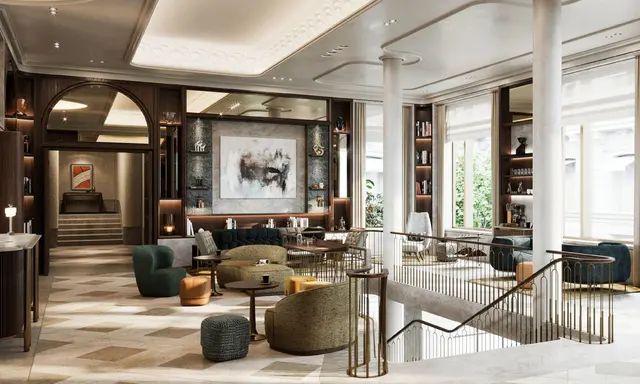
The atmosphere is closer to a contemporary private residence than a conventional transit hotel. The building's historic character is balanced by a programme of art, dining and contemporary hospitality. For guests arranging an extended London stay around a yacht delivery, business meeting or cultural itinerary, the property offers a central base without requiring every hour to be organised around hotel facilities.
Rooms, suites and the Manor House
Rosewood describes 44 suites among its accommodation choices, while its signature suites and houses were created with residential privacy in mind. The distinction matters because the requirements of a solo city visit differ sharply from those of a family travelling together. It is worth comparing connected rooms, lounge arrangements and practical luggage space instead of deciding solely by a category name.
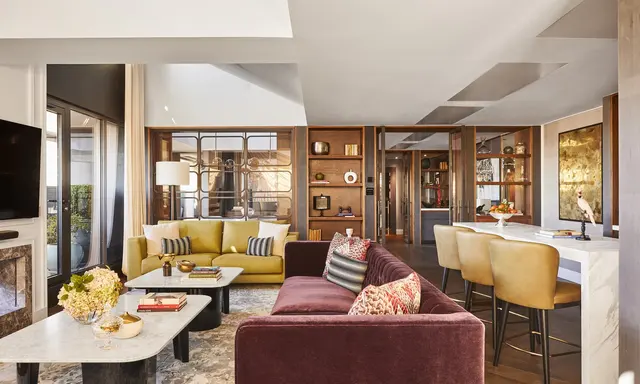
The most distinctive option is the Manor House, a 208-square-metre residence with separate lounge, dining room, library and pantry. The hotel also offers the possibility of combining the house with connecting accommodation to create a larger private wing. Such arrangements need a direct discussion with the reservations team, particularly when guests want a private entrance, dedicated service or a meeting area separate from sleeping quarters.
The Manor House amenities include butler service and a dining table for eight, which points to a particular kind of use: entertaining a small group in private while remaining in the centre of the capital. This is materially different from booking several ordinary hotel rooms. Anyone planning a multi-generational visit should verify the exact bedroom arrangement and occupancy before assuming that adjacent accommodation functions as a single residence.
British dining with several moods
Holborn Dining Room anchors the property's food offering with British dishes interpreted for a contemporary audience. Its adjoining Pie Room puts a traditional dish at the centre of both dining and hands-on experiences. The hotel also advertises a pie-making masterclass, a useful addition for visitors who would rather participate in local food culture than simply book another formal restaurant.
Scarfes Bar takes a different approach, using a comfortable lounge atmosphere and creative drinks as the setting for an evening conversation. Meanwhile the Mirror Room offers afternoon tea and dining against a more decorative interior backdrop. These are distinctly different experiences under one roof, which lets guests adjust the mood of an evening without relying on a car transfer through London traffic.
A thoughtful itinerary need not include every venue in one day. A breakfast meeting at Holborn Dining Room, an afternoon in the nearby cultural district and a relaxed return for drinks may be more rewarding than an overfilled restaurant schedule. Advance reservations are advisable for desired times, and menus or specialist experiences should always be checked directly because availability and formats can change.
Restoration and an engagement with the city
Sense, A Rosewood Spa, offers the property a counterweight to London's demanding programme of appointments. The hotel lists personalised treatments, a sauna and fitness facilities, with access depending on the accommodation or package selected. For guests arriving after a long flight, planning the spa before the first major evening commitment can be more useful than squeezing it into an already crowded departure day.
Rosewood also draws attention to activities that connect visitors with British craft and local history, including guided outings and curated dining experiences. These provide an alternative to the assumption that a luxury hotel must keep guests entirely on-site. The real attraction is the ability to move between carefully arranged private moments and an active city, returning to a familiar base at the end.
London's museums, galleries and theatres reward flexibility because exhibition programmes and performance schedules change through the year. Concierge assistance can help align reservations, but visitors should retain time for walking and unscheduled discovery. The hotel's Holborn position is convenient for exploring on foot, although actual travel time still depends on weather, mobility and the demands of a particular itinerary.
Choosing the right London stay
The hotel publishes a range of packages and room categories, but the best selection depends on the purpose of the visit. Those travelling with children may value connected accommodation and a less complicated morning routine, while a couple on a cultural weekend might prefer a suite with a comfortable sitting area. A business guest may give greater weight to privacy, reliable transfers and a dining table suitable for conversations.
It is sensible to confirm the booked room's configuration rather than assume every example photograph describes every room. Rosewood notes that furnishings and precise layouts can vary even within a category. Guests should similarly verify whether particular spa benefits, meals or upgrades are part of an actual reservation instead of treating a current offer as a permanent feature of the hotel.
Rosewood London works best when understood as a sophisticated centre-of-city residence rather than a resort in miniature. Its historic courtyard, private accommodation and varied dining venues provide the structure for a stay, while London supplies the larger experience. The strongest itinerary alternates appointments with space to enjoy the property instead of allowing either to dominate the entire visit.