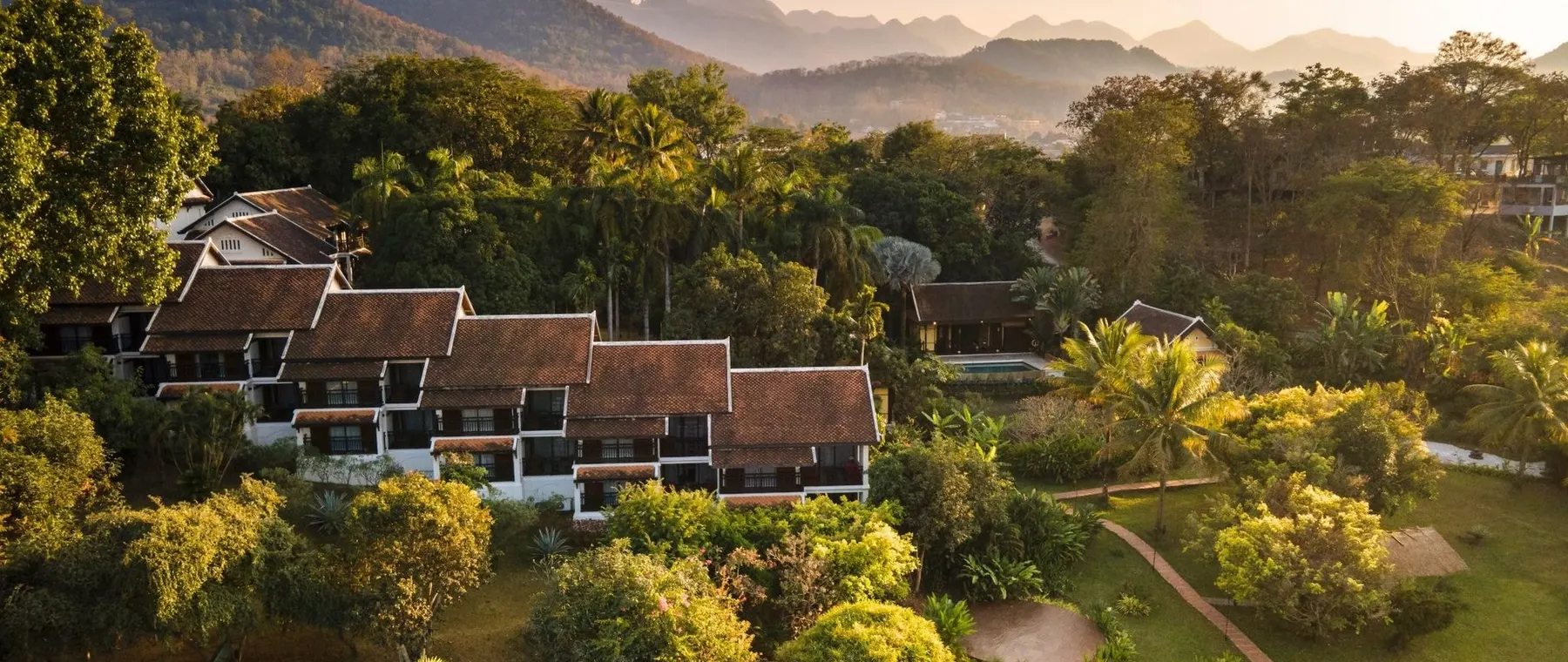
Marriott makes its first entry into Laos
Marriott International has announced the opening of La Résidence Phou Vao, a Luxury Collection Resort & Spa, in Luang Prabang, marking the company's first hotel in Laos. The 4 November 2026 announcement also identifies the property as Marriott's 800th in its Asia Pacific excluding China region. It is a milestone in the group's regional expansion, but it takes the form of an established resort joining the portfolio following a carefully planned transformation.
The resort contains thirty-six suites set among three acres of tropical gardens on Phou Vao hill. That scale distinguishes it from larger convention hotels and emphasises privacy and the character of the landscape. Marriott has confirmed that the hotel is welcoming guests, so this is an actual opening under its new brand rather than a signing with an unspecified completion date. The property's history remains important to understanding its identity.
A new chapter for an existing hilltop retreat
La Résidence Phou Vao has long been associated with the hills above Luang Prabang and an intimate atmosphere shaped by traditional architecture and dense tropical planting. Marriott says the original buildings, mature landscape and established hilltop pool have been preserved, while interiors, dining and guest rituals have been reimagined. The approach aims to protect features that made the retreat distinctive rather than replace them with a generic expression of luxury.
Retaining a property's history can create a more rewarding stay than a complete redesign, but the quality of the result depends on maintenance and thoughtful integration of new services. Guests may value the familiarity of an established location alongside modern comfort and a clear connection to local culture. The press announcement provides the intended narrative; travellers can judge its execution through completed photographs, accurate room descriptions and the experience of staying there.
Luang Prabang's unusual geography
The resort sits approximately two kilometres from the old town of Luang Prabang, where the Mekong and Nam Khan rivers meet amid an area recognised by UNESCO. From the hill, guests can look towards temples and surrounding mountains, including the stupa of Wat Chom Si on Mount Phou Si. Its location allows a measure of separation from the busiest streets while retaining access to the historic town and its cultural sites.
Visitors should recognise that Luang Prabang is a living community rather than a setting created for tourism. Its monasteries, markets and everyday routines deserve respectful engagement. The short distance between the property and town does not mean every attraction can be reached comfortably on foot in all conditions, particularly during hot or wet weather. Hotel transfers and local transport can be discussed before arrival so that sightseeing does not become hurried.
Thirty-six suites with Lao design influences
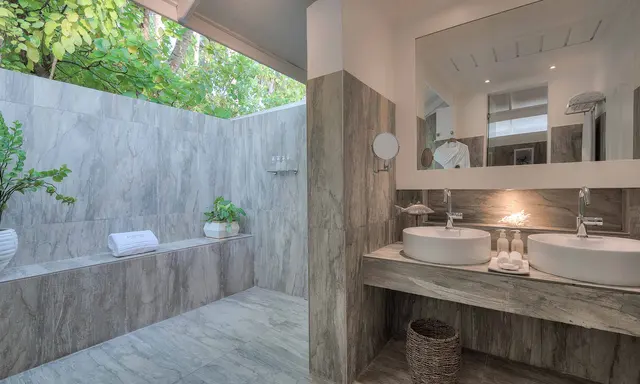
The hotel's thirty-six suites incorporate handwoven textiles, rosewood accents and materials associated with regional craft. Marriott identifies Garden Heritage, Mountain View and Phou Si Temple accommodation categories, with some suites offering separate living areas and private terraces. Bathrooms include features such as terrazzo bathtubs, twin vanities and rain showers. These details seek to balance the atmosphere of a traditional hilltop retreat with the comfort expected under The Luxury Collection.
Room categories are important because a mountain-facing balcony and a garden-facing suite may create quite different experiences, even within the same property. Travellers should read current layouts and inclusions carefully rather than assume that every suite has the same terrace or a direct view of a particular temple. The small inventory may be appealing for privacy but can also make specific categories less available during popular travel periods.
French brasserie cooking with a local sensibility
La Brasserie de la Résidence provides the main dining programme, offering French brasserie dishes prepared with seasonal produce, herbs and ingredients available in the surrounding region. The approach reflects the property's association with both Lao hospitality and the French art de vivre. A dining terrace opens towards the landscape, allowing meals to take place against the view rather than entirely within an enclosed restaurant.
The adjoining bar uses local spirits in some of its signature cocktails. Menus may change with availability and the season, so visitors should not assume that every item described during the opening announcement will remain permanently available. Guests with dietary needs should discuss requirements directly with the restaurant. The culinary emphasis is on a recognisable brasserie format informed by place, not a claim that French dining represents traditional Lao cuisine in its entirety.
A pool overlooking the town's sacred landmarks
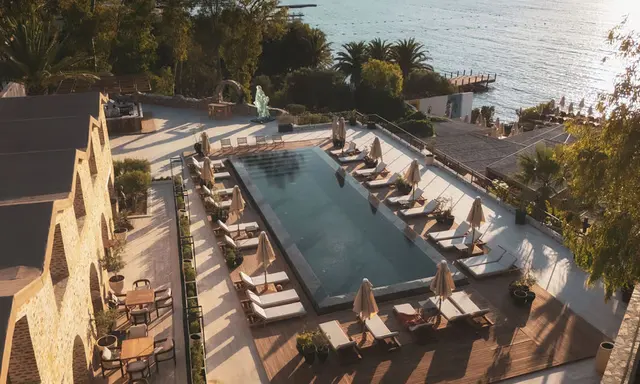
One of the property’s defining features is its infinity-edge pool looking across Luang Prabang's rooftops and surrounding mountains. The pool was part of the established resort and is among the architectural features Marriott says have been preserved. Its setting makes it more than a swimming facility: the views contribute to the hotel's sense of distance from the streets below and connect quiet hours at the property with the wider landscape.
An attractive pool does not guarantee unlimited access in every situation. Weather, maintenance and hotel operating rules can affect its use, while guests should observe posted safety conditions. Travellers interested in a particular cabana or vantage point should confirm availability rather than assume every photograph represents a privately reservable space. The appeal of the resort rests in the relationship between its gardens, terraces and views as much as any one amenity.
Mekong Spa and the local wellness tradition
The resort's Mekong Spa incorporates treatments intended to draw on regional practices and ingredients. Marriott's property information highlights a Sip Sen Lao massage and therapies using Hmong indigo compresses, along with facilities that include hot and cool bathing, a steam room and relaxation areas. The programme is intended to provide a quiet counterpoint to exploration of Luang Prabang, rather than simply reproduce a standard international spa menu.
Treatments should be regarded as hospitality and wellbeing services, not automatically as medical interventions. Travellers with allergies, sensitivities or particular health considerations should consult appropriate professionals and discuss ingredients with the spa before booking. The value of the experience can come from setting, practitioner skill and the opportunity to rest. A responsible description avoids making unsupported claims about curing illness or producing guaranteed physical effects.
A welcome rooted in Lao customs
Marriott's announcement describes the traditional Baci blessing ceremony as one of the experiences that can introduce guests to local customs. The ceremony has a significant social role in Laos, often marking important moments through expressions of goodwill and the tying of symbolic white threads. At a hotel, its meaning should be approached with respect for the people sharing the practice rather than treated as decorative entertainment.
Travellers may be offered other encounters with local culture, but the quality of an itinerary depends on informed guides, sensible group sizes and the way visitors behave. Photography, access to religious spaces and interaction with residents require care. A luxury resort can provide introductions, but its role is not to replace the living traditions of the surrounding town. Guests should ask how experiences are organised and whether local participants benefit appropriately.
River journeys and waterfalls beyond the gardens
The hotel outlines excursions including sunset cruises near the meeting of the Mekong and Nam Khan, boat visits to Pak Ou Caves and journeys to Kuang Si Waterfalls. Each offers a different perspective on the region, from the river routes that have shaped local life to forested landscapes outside the town. These activities can extend a stay beyond the resort without demanding that every day be spent travelling long distances.
Excursion availability depends on local conditions, operator arrangements and the time of year. Water levels, weather and road conditions may influence the comfort or feasibility of a trip. Visitors should confirm whether a particular experience is included in their accommodation rate and what transport or guiding services will be provided. Responsible planning should also consider environmental sensitivity and the welfare of animals at any sanctuary included in an itinerary.
Why the regional milestone is significant
Marriott's 800th hotel in Asia Pacific excluding China signals the scale of its regional business, while its first entry into Laos adds a destination not previously represented in the company's portfolio. The milestone has commercial importance for the group, but the character of La Résidence Phou Vao depends on a particular hillside, building and relationship with Luang Prabang. A guest does not experience a corporate hotel count; they experience the care with which a place is maintained.
For travellers seeking a quieter stop during a wider Southeast Asian itinerary, the resort offers a recognisable international booking framework while preserving features of an established property. The announcement confirms that guests can now reserve stays, but individual prices and packages will depend on dates and conditions. Its lasting appeal will be measured by the quality of service, respectful engagement with local traditions and the way the hilltop sanctuary continues to evolve.