A different kind of hotel distinction
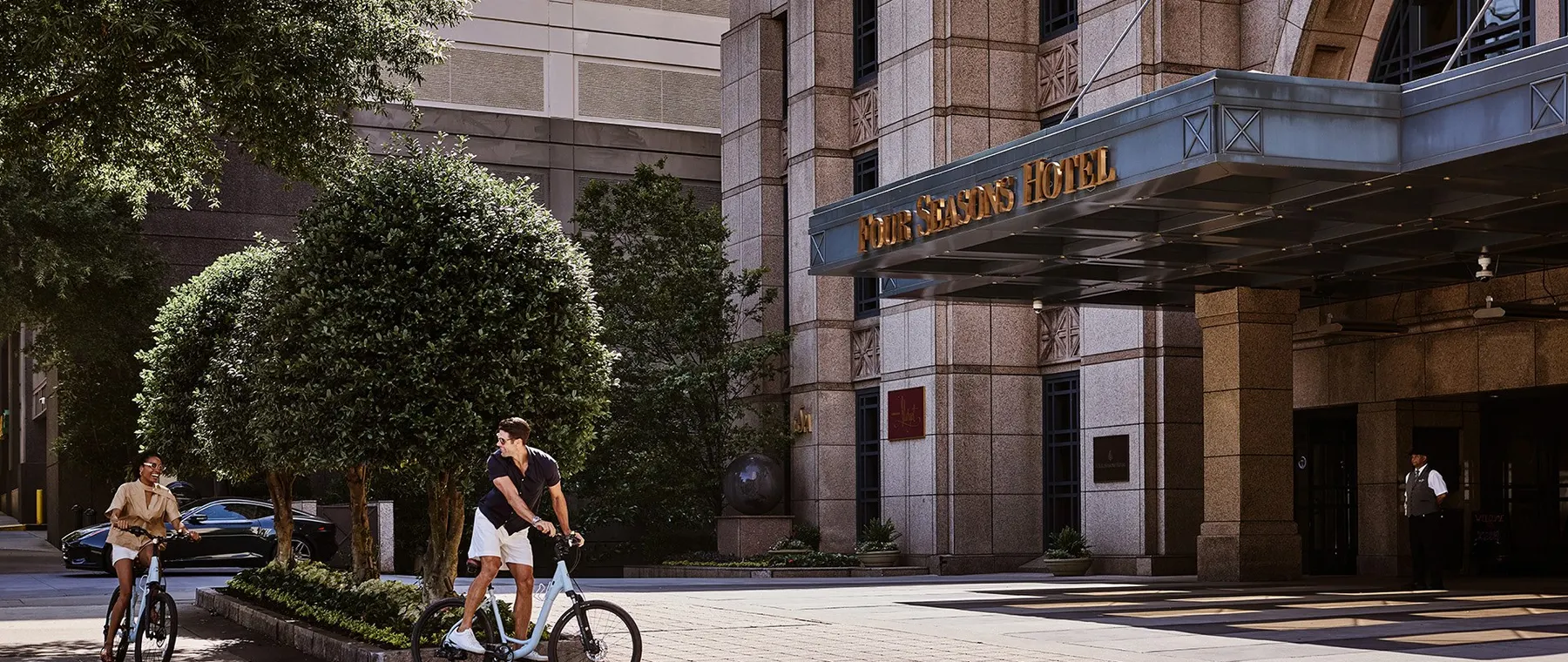
Four Seasons Hotel Atlanta has received Star recognition under the United States Occupational Safety and Health Administration's Voluntary Protection Programs, known as VPP. The award concerns workplace safety and health management rather than room design, dining or guest-service ratings. According to the hotel, it is one of only three United States hotels to hold the distinction.
The programme's highest recognition is significant because hotels operate around the clock across departments with very different working conditions. Kitchens, engineering areas, housekeeping operations and guest-facing services bring their own practical risks. A consistent safety culture has to address all of them, not simply the tasks visible to visitors in public spaces.
Years of preparation behind the certificate
Four Seasons says the Atlanta property spent more than six years developing and documenting its approach, with the safety and security team coordinating work across departments. The process involved recurring inspections, training and employee participation in identifying and reporting hazards. The result is more substantial than a short inspection or an honorary plaque awarded for reputation.
The hotel reports 28 annual safety inspections and approximately 600 training hours in the programme. It also submitted more than 130 pages of evidence describing procedures, injury data, inspections, corrective actions and emergency arrangements. Those details help explain why the VPP process requires sustained operational effort rather than one polished presentation on the day of an evaluator's visit.
Measuring performance carefully
Four Seasons reports that its injury and illness rate fell by 22.36 per cent during the improvement period. It also says the three-year Total Case Incident Rate was 12.93 per cent below the national hotel industry average and that the property had recorded 247 consecutive days without a recordable injury at the time of the announcement. These are figures supplied by the hotel about its own programme.
Workplace statistics require careful interpretation because the relevant period, workforce and definition of a recordable case determine what can be concluded. A lower incident rate is encouraging but does not imply that hazards have vanished or that all possible accidents can be prevented. The more important point is the existence of procedures intended to detect and manage risk continuously.
What the OSHA review included
The department carried out an approximately four-day on-site review, including property tours and confidential interviews with managers, supervisors and employees. Interviewers examined understanding of job-specific risks, emergency responses and how concerns could be raised. That employee element is particularly significant because a written manual has limited value if people do not know when and how to apply it.
Maintaining Star status will require annual self-evaluation and periodic OSHA review. The designation is therefore not a lifetime promise independent of subsequent performance. For hotel managers elsewhere, the announcement offers a useful example of the connection between leadership, reporting, training and accountable follow-through.
Why visitors may care about staff safety
Although the programme focuses on employees, effective safety management can shape the reliability of hotel operations more broadly. A property where teams understand equipment, maintenance procedures and emergency arrangements is better prepared to manage routine work without unnecessary disruption. The effect should not be exaggerated into a guarantee about every guest experience, but the underlying discipline is relevant.
Luxury hospitality is often discussed through visible craftsmanship, yet the operation depends heavily on employees working behind the scenes. A safety distinction provides recognition for those departments and their contribution to a hotel's ability to function. It is a different measure of organisational quality from a travel-editor ranking or Michelin hotel accolade.
The next stage for the Atlanta team
Four Seasons planned a plaque presentation and staff recognition ceremony in October 2026. The general manager and safety leadership credited employees throughout the property for taking part in the process. The public announcement does not establish the exact date of a completed ceremony, so that part of the story remains a stated plan rather than a verified event.
The confirmed outcome is the OSHA VPP Star designation and the hotel's reported preparation and performance metrics. It does not replace the need for continuing training or inspections. For the wider hospitality industry, the story is a reminder that high operating standards are built through sustained daily routines, not solely through customer-facing amenities.