An island arrival with two different faces
Barbados is sometimes treated as a beach stop on a wider Caribbean voyage, but arriving by yacht reveals a more varied island. The capital and commercial port of Bridgetown sit on the south-western coast, while Port St Charles offers a very different marina setting farther north. For a luxury yacht between 12 and 23.99 metres, the challenge is to match the desired shore experience with a suitable place to berth and the correct clearance arrangements. This is an island where formalities matter, because the most picturesque anchorage is not necessarily a permitted arrival point. Once the paperwork is handled, beaches, town life and the island's distinctive character can justify several days ashore.
Port St Charles is more than a resort image
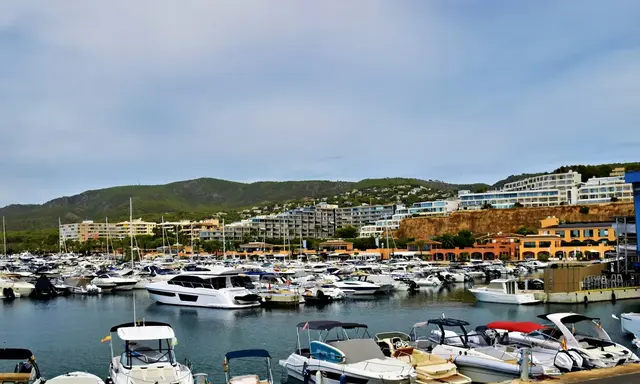
Port St Charles describes a marina development on the western coast with berthing facilities and associated residential hospitality. Its official information states that it operates as an authorised port of entry and provides contact details for the dockmaster. The operator also lists berths for very large vessels, but that does not establish suitability for every smaller luxury boat. Owners should ask directly about available slip length, draft, utilities, security and the conditions of a visitor reservation. A marina may be associated with prestigious yachts while still offering a practical location for a different scale of owner-operated cruising, subject to actual availability.
Entry is a separate task from docking
Barbados Port Inc publishes a Yacht Masters Guide explaining entry and clearance arrangements. The guidance identifies designated locations and procedures for yachts, including Bridgetown and Port St Charles. Skippers must use the most current version and check requirements applicable to the vessel and crew; changes in immigration, customs or port procedures cannot be safely inferred from a travel feature. Documents, advance notifications and the timing of official visits can affect the first day on the island. It is much easier to enjoy a celebratory lunch after arrival when every guest understands that immigration and harbour instructions come before the beach.
Bridgetown remains a working harbour
The Port of Bridgetown is a major commercial and passenger gateway, as Barbados's tourism ministry and port operator explain. That means leisure yachts may share the wider marine environment with shipping, cruise vessels and other traffic. Navigation and clearance instructions require close attention. A visitor should not treat a waterfront photograph as evidence of a public yacht berth or assume that a commercial quay can be used without authorisation. The attraction of Bridgetown lies in the contrast between active port life and the city's cultural surroundings, but the skipper's first responsibility is to follow current port-control directions and use appropriately designated facilities.
The west coast at an easier pace
A stay at Port St Charles creates a different holiday rhythm from a brief commercial-port call. The setting supports the idea of waking close to the water and travelling ashore for meals, local visits and a slow afternoon. There may be opportunities to use resort-style facilities, but access and eligibility should be confirmed with the operator rather than assumed from property marketing. The coast's appeal is in its combination of sea views and nearby communities. Owners who enjoy simple pleasures may find that a morning walk and a relaxed lunch are as satisfying as a more elaborate day of organised excursions.
Look beyond the marina gates
Barbados has a living culture that cannot be understood only through a yacht's cockpit. Time in Bridgetown or smaller coastal communities can introduce visitors to the island's history, food and local rhythms. Before setting out, check whether an attraction is open and choose transport appropriate to the group. The strongest itinerary allows some time without an expensive reservation, leaving space for a market, a walk or a conversation with a local guide. In any island destination, visitors should remember that daily life continues beyond the tourism economy. Respect for residents is part of travelling well.
The water is not an unrestricted playground
Caribbean waters can look deceptively inviting in photographs, but safe boating and responsible leisure activity still depend on conditions and local rules. Beaches, reefs and wildlife habitats may have restrictions, and a tender can be more disruptive than guests realise if used carelessly. The skipper should check local anchoring guidance, designated landing points and any marine-protection notices before arranging an outing. A private yacht provides freedom of movement, not a blanket exemption from environmental or port regulations. Respect for the island's marine setting is particularly important because the appeal of the holiday depends on clean and healthy coastal waters.
Beaches without a fixed schedule
Many visitors come to Barbados for the coastline, and it is reasonable to leave a day largely unplanned. The precise beach chosen will depend on weather, sea conditions, transport and guest preferences. Some groups may want a sheltered area and an easy restaurant nearby; others will enjoy a longer island excursion. It is sensible to check swimming conditions and local advice rather than assume that every photograph shows a safe place to enter the water. A yacht gives guests the luxury of returning to their own accommodation after an outing. The day can remain flexible, with no need to carry everything to a hotel room.
Food, music and island identity
Barbados's food and cultural life should not be reduced to a generic Caribbean menu. Local dishes, music and hospitality are part of the island's distinct identity, and discovering them is a major reason to step away from the marina. Restaurant offerings and event schedules change, so use current local recommendations and reservations where necessary. A crew can combine one more adventurous meal in town with an easy evening aboard, letting guests choose how sociable they want to be. The purpose is to experience Barbados itself, not merely a collection of luxury services that could exist anywhere.
Maintaining the boat between passages
A Caribbean stop is often a chance to replenish fresh supplies, attend to equipment and plan the next leg. A marina with reliable water, fuel, electricity and security may save considerable time, but owners should obtain details from the actual operator. Specialist maintenance and spare parts may require advance notice. A yacht that has completed an Atlantic or inter-island passage deserves a careful inspection before continuing. The practical checklist should include machinery, safety equipment, weather information and guest comfort. Sorting these matters early leaves more of the stay available for shore experiences rather than emergency errands.
Transfers and visiting guests
A yacht holiday may involve guests arriving by air and joining the vessel after the skipper has cleared the boat into Barbados. These are separate logistical processes, and the schedule should allow for both. The precise travel time from the airport to Port St Charles or another berth depends on traffic and the chosen transfer, so it should be arranged rather than guessed. Guests may also need clear instructions about identification and boarding procedures. A relaxed first afternoon, rather than an immediate departure on a tight timetable, makes it easier for everyone to settle into the island's pace and the boat's routine.
The wider Caribbean perspective
Barbados can be one stage of a wider Caribbean cruise, but its position and official entry requirements mean a voyage should be treated seriously. Destination choice, passage length, seasonal weather and the facilities of the next harbour all influence the onward plan. A route that looks simple on a chart can become uncomfortable when winds or sea conditions change. The pleasure of a luxury yacht is having flexibility to wait for a suitable weather window. A memorable island stay should not be spoiled by rushing away simply because a provisional itinerary has named the next destination.
A short Barbados itinerary
One sensible sequence is to allow the first day for arrival formalities and an easy marina evening. The next day can be devoted to Bridgetown's cultural surroundings or a carefully planned excursion, followed by a meal featuring local cuisine. A further day offers beaches and time to inspect the yacht or prepare for departure. This is a flexible suggestion, not a confirmed booking or navigation plan. Current attractions, marina terms, transfer availability and the weather will change what is practical. A little spare time is especially valuable for a crew adjusting after a passage.
The appeal of a properly planned stop
The strongest Barbados yacht experience combines the pleasure of a west-coast marina base with real engagement beyond the berth. Official Port St Charles, Barbados Port and government sources establish the existence of yacht facilities and the need to observe proper entry procedures. Once those essentials are handled, guests can enjoy the island's culture, shore life and coastal scenery on their own terms. For luxury yachts between 12 and 23.99 metres, the central lesson is that the best destination is not defined by the largest marina or most expensive restaurant. It is the one where the boat fits, the crew can relax and the island itself can be discovered.