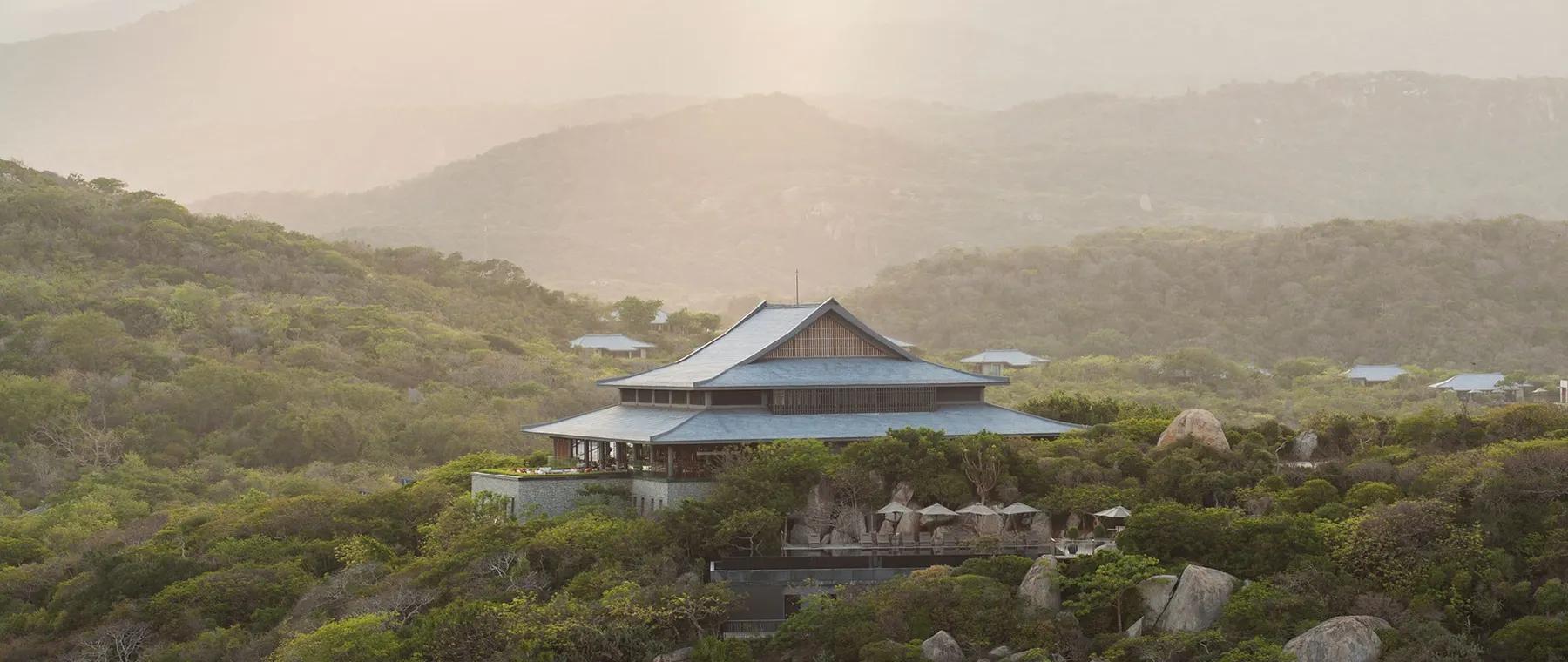
A coastal landscape with room to breathe
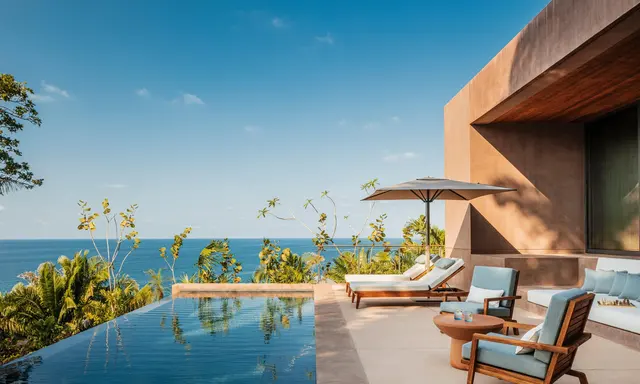
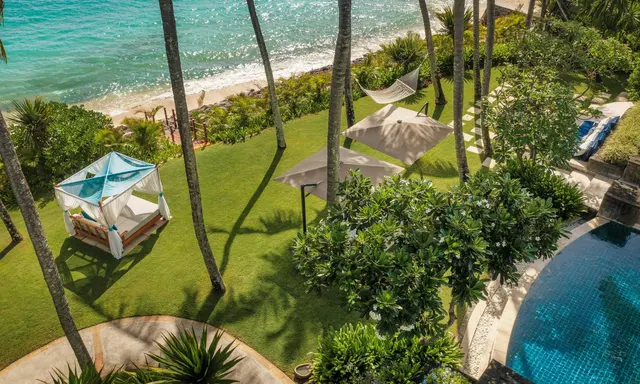
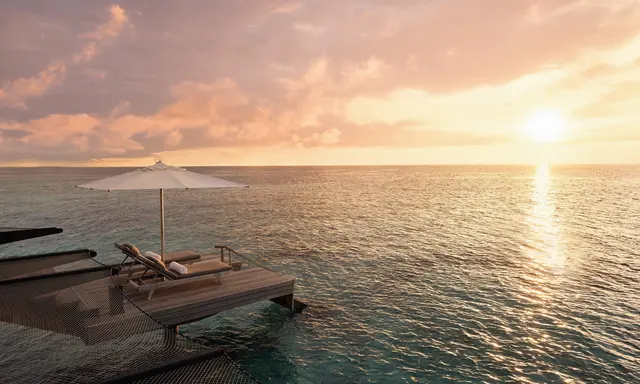
Amanoi is set in Vietnam's Ninh Thuan region, where rocky landforms, vegetation and sea views create a more dramatic setting than the familiar image of a level tropical island. The resort's identity is rooted in this relationship between land and water. Rather than place every guest in a uniform row of rooms, it offers different vantage points from which visitors can appreciate the surrounding landscape. The atmosphere invites a slower, more reflective way of travelling.
For luxury yacht travellers planning a wider journey through Southeast Asia, Amanoi provides a distinctive experience ashore. It is not merely a stop for a photograph from the terrace. The pleasure lies in taking time with the changing light, the architecture and the region's quieter pace. A short stay can be attractive, but the resort's strongest qualities emerge when guests leave enough time to settle.
Choose space according to how it will be used
The operator's accommodation range includes pavilions and villas designed for a high level of privacy and comfort. Their positions within the resort matter. Some travellers seek a pronounced sea view, while others value sheltered surroundings or the convenience of particular facilities. Discuss access, internal layout, outdoor terraces and the distance between spaces before reserving a home for a family or larger party.
A private pool may be appealing for a leisurely afternoon, but the real advantage of well-designed accommodation is flexibility. Guests can meet for meals, retreat to separate areas or spend a morning simply looking outward. More square metres are not always better if the layout does not suit the party. A thoughtful choice of residence can make the holiday feel genuinely personal.
Architecture is part of the visit
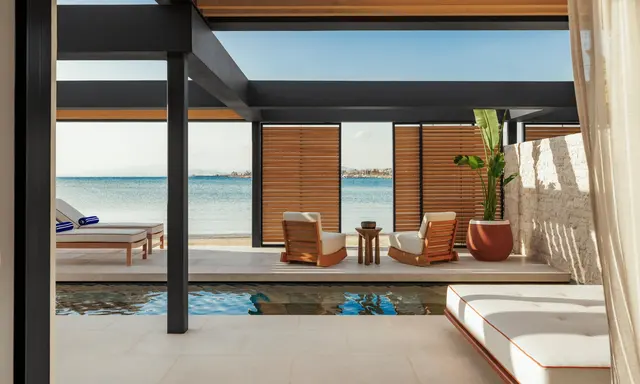
Aman resorts are known for an approach to design that tries to respond to the setting without overwhelming it. At Amanoi, the interplay of built form, open views and natural materials gives guests a reason to notice the spaces they move through. Quiet circulation, carefully framed outlooks and private terraces can be as memorable as any organised excursion. The architecture is best appreciated at different times of day as light and shade change.
Travellers with an interest in interior design may enjoy looking at how a room accommodates both solitude and social occasions. A comfortable reading corner, a shaded outside table and an easy transition between indoor and outdoor spaces all influence how a residence is actually experienced. These are subtle considerations, but they often distinguish a restorative stay from a hotel that merely looks impressive in photographs.
Make wellness part of a broader rhythm
The resort positions wellness among its principal experiences, offering a reason to set aside time for rest and physical recovery. Spa appointments and restorative practices can be valuable after a long flight or an active yacht itinerary, yet visitors need not fill every hour with a scheduled treatment. An open afternoon may be just as worthwhile as a detailed programme of activities.
It is sensible to discuss individual preferences and any relevant health considerations directly with qualified practitioners at the property. A treatment described as relaxing should not be mistaken for medical care or a guaranteed therapeutic result. The most rewarding wellness holiday often combines simple movement, adequate rest, good food and moments outdoors without placing pressure on guests to follow an elaborate routine.
The sea calls for local knowledge
The coastal setting encourages time near the water, but sea conditions can differ considerably from those in sheltered resort lagoons. Guests should ask which activities are available, what supervision is provided and whether particular areas are suitable for swimming on the day. Weather and seasonal patterns can alter access, so a good plan keeps marine experiences flexible rather than assuming perfect conditions throughout a stay.
Yacht travellers should also separate resort hospitality from marine logistics. A hotel booking does not grant permission to anchor or land a tender, and local navigational information must come from the relevant maritime authorities. If the stay is to be combined with a voyage, practical arrangements for transfer, luggage and shoreside transport need advance confirmation.
Dining can reveal a local sensibility
One of the pleasures of travelling through Vietnam is the opportunity to appreciate regional ingredients and culinary traditions. At a luxury resort, these may be presented alongside international dishes, giving guests room to explore without feeling obliged to depart entirely from familiar preferences. Ask the culinary team about current menus, seasonal availability and private dining possibilities before arrival.
Meals need not be elaborate every time to feel special. A quiet breakfast on a terrace, a light lunch after a walk and a carefully planned evening can provide their own contrasts. Travellers who have spent weeks eating aboard a vessel may welcome the creative voice of a new chef and a dining setting tied to the landscape rather than to a moving itinerary.
Allow a few days for the setting to unfold
The temptation when visiting a highly regarded resort is to sample every facility. Amanoi makes a persuasive case for a less hurried approach. Leave time for a walk, for observing the changing colours of the coast and for returning to the same peaceful viewpoint at a different hour. This kind of travel rewards attention to detail instead of the accumulation of activities.
Before booking, confirm the current accommodation collection, transport arrangements and seasonal availability through the resort itself. A well-considered itinerary allows guests to enjoy Amanoi on its own terms: a quiet meeting of architecture, landscape and personal hospitality on Vietnam's coast.
For the current accommodation collection and guest arrangements, consult Amanoi Vietnam. Official photograph: Aman Resorts, official Amanoi Vietnam coastal resort photography.